Cart

Top 10 Types of Steel Mesh for Buyers

Buyers rarely choose steel mesh by name alone. They compare opening size, wire diameter, material grade, coating, and installation conditions. A mismatch can complicate cutting, fixing, or concrete placement. Small details matter. The World Steel Association’s World Steel in Figures 2024 reports 1.892 billion tonnes of crude steel production worldwide in 2023. That figure describes steel production, not steel mesh sales, so it should not be treated as a mesh-market estimate. The OECD’s Steel Outlook 2024 also examines capacity and changing market conditions, useful context when comparing suppliers and product specifications.

This guide introduces ten common types, from welded wire reinforcement and expanded metal to woven, galvanized, and stainless-steel mesh. Each serves different needs. A fine screen for filtration is not a substitute for reinforcement in a slab, and a corrosion-resistant finish may matter more near moisture or salt. Check the product data sheet for aperture, wire thickness, coating, and stated tolerances; confirm that these match the design and site conditions. Ask how the mesh will be cut, supported, and joined. Those practical questions are easy to overlook. Even this overview has limits: product names and specifications can vary by supplier and region. Treat the categories as a starting point, then verify details with the manufacturer or a qualified engineer.
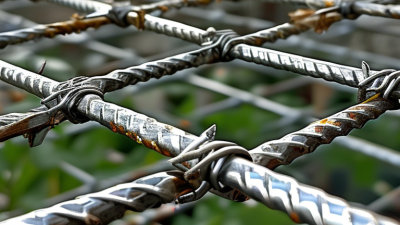
Top 10 Types of Steel Mesh for Buyers

What Steel Mesh Is and How It Is Made

Steel mesh is a network of steel wires or strips arranged in a regular pattern. The openings may be square, rectangular, or diamond-shaped. Mesh can reinforce concrete, protect equipment, screen materials, or form barriers. Its performance depends on more than the opening size. Wire diameter, steel grade, spacing, and connection strength all matter. A small sample helps buyers judge stiffness and finish. Feel the edges, too; rough cut ends can complicate handling and installation.

Manufacturing varies by mesh type. For welded mesh, steel wire is drawn to size, placed in a grid, and joined at crossings, often with resistance welding. Woven mesh uses wires interlaced over and under one another, much like a tight fabric. Expanded mesh starts as a sheet that is slit and stretched into connected diamond-shaped openings. Not every method suits every job. That is worth checking. Buyers should compare opening dimensions, wire thickness, panel size, and weld consistency against the actual application. For outdoor use, consider corrosion exposure and whether a protective coating or corrosion-resistant steel is appropriate. Specifications can still miss a practical detail, such as how panels will be cut or fixed on site. Measure twice.

The Ten Main Types of Steel Mesh

The ten main types of steel mesh are welded wire mesh, woven wire mesh, expanded metal mesh, perforated steel sheet, reinforcing mesh, crimped wire mesh, stainless steel mesh, galvanized mesh, hexagonal wire mesh, and chain-link mesh.

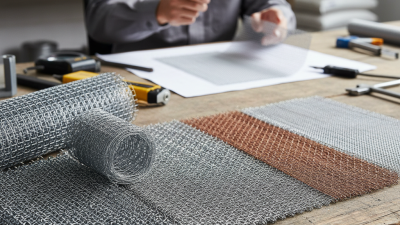
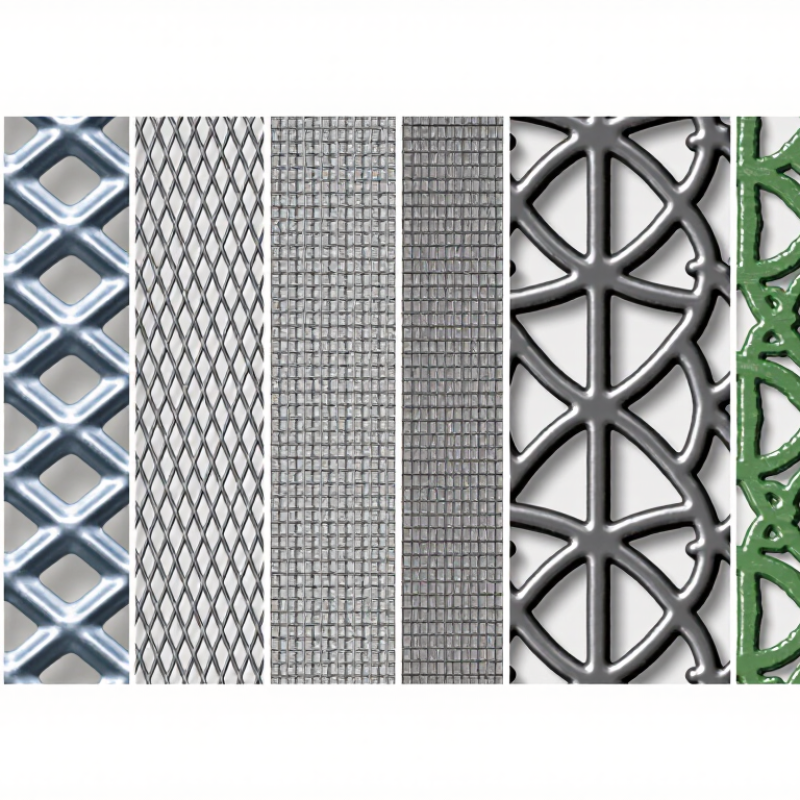
They differ in how they are made and where they work best. Welded mesh has fixed intersections, useful for concrete reinforcement and sturdy panels. Woven mesh bends more readily and can filter particles. Expanded mesh is cut and stretched into diamond-shaped openings, leaving no loose strands. Perforated sheet uses punched holes. Crimped wire has shaped wires that lock together.

Some categories describe a finish or alloy, not just a pattern. That distinction matters.

Galvanized mesh has a protective zinc coating, while stainless mesh relies on its alloy composition for corrosion resistance. Reinforcing mesh is commonly supplied in flat sheets, with spacing chosen to suit the job. Hexagonal mesh and chain-link mesh form flexible enclosures; check wire thickness and opening size before ordering.

I would compare samples against the actual environment, not a catalog photo alone. A small mismatch can matter.

Mesh openings, edge finishing, and coating quality all affect installation and service life. These labels sometimes overlap, so confirm the construction details with the supplier.

Key Specifications Buyers Should Compare

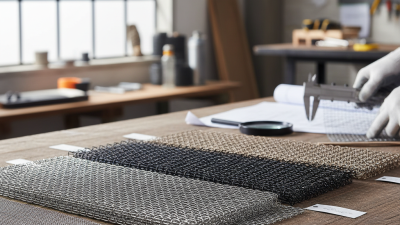
When comparing steel mesh types, start with wire diameter and aperture size. A 4 mm wire with a 50 mm opening behaves differently from finer mesh, even if both sheets look similar. Check whether dimensions are nominal or measured, and ask for tolerances. Small details matter.

Material and finish affect service life. Confirm the steel grade, coating type, and coating weight; galvanized mesh, for example, needs suitable protection for its exposure conditions. For welded mesh, inspect weld consistency and ask for relevant strength data. For woven or expanded mesh, compare strand width, pattern, and dimensional stability. A sample can reveal rough edges or uneven openings that a product sheet may miss.

Also compare sheet or roll dimensions, mass per unit area, and applicable test standards. These details influence handling, installation, and project quantity estimates. Do not rely on a generic strength figure without knowing its test method. One easy mistake is choosing by price before checking the full specification. Published tolerances may not reflect every production batch, so confirm them in writing for critical applications.

Common Applications Across Construction and Industry

Top 10 Types of Steel Mesh for Buyers
Common Applications Across Construction and Industry

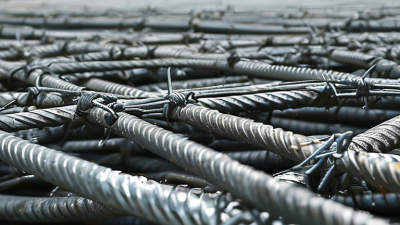
Steel mesh serves very different jobs, from holding concrete together to screening crushed stone. Welded reinforcing mesh is common in floor slabs, pavements, and precast panels. Its regular grid helps crews position reinforcement consistently, though laps and cover still need careful checking. Details matter. World Steel Association sector estimates place construction and infrastructure at about half of global steel use, reflecting the scale of these applications.

Woven wire mesh offers tighter openings for sieving aggregates, filtering process fluids, and separating materials. In factories, heavier welded mesh can form machine guards, storage cages, and equipment platforms. Expanded metal provides grip and airflow for walkways and ventilation panels, while stainless mesh is useful where moisture or cleaning chemicals create corrosion concerns. The right choice depends on load, aperture, wire diameter, finish, and exposure—not just the mesh name.

World Steel Association’s World Steel in Figures 2024 reports approximately 1.89 billion tonnes of crude steel production in 2023. That volume supports a broad supply chain, but buyers still need to check product-specific tolerances. A mesh panel may look robust and still disappoint if its openings clog, edges remain sharp, or coatings are damaged during cutting. Test a sample under actual site conditions when the application is critical.

Top 10 Types of Steel Mesh for Buyers - Common Applications Across Construction and Industry

Steel Mesh Type How It Is Made Common Applications Key Buying Considerations
Welded Wire Reinforcement Mesh Steel wires are arranged in a regular grid and resistance-welded at their intersections. Concrete slabs, floors, pavements, walls, and precast concrete products. Check wire diameter, spacing, sheet or roll dimensions, steel grade, and applicable reinforcement standards. Confirm that the mesh suits the project’s structural design.
Welded Wire Mesh Longitudinal and cross wires are welded into a rigid, uniform grid; wire size and opening dimensions vary by product. Fencing, machine guards, partitions, racks, cages, and general fabrication. Specify aperture size, wire diameter, panel dimensions, weld quality, and whether a protective coating is required.
Woven Wire Mesh Steel wires are interlaced in patterns such as plain weave or twill weave, without welded intersections. Screening, sieving, filtration, ventilation panels, and protective screens. Match the opening size and wire diameter to the material being screened or filtered. Consider weave type, required strength, and corrosion exposure.
Expanded Metal Mesh A steel sheet is slit and stretched to form connected diamond-shaped openings, generally without welded joints. Walkways, stair treads, platforms, guards, fencing, and architectural panels. Review strand width, thickness, opening dimensions, sheet size, load requirements, and finish. Confirm the product is suitable for the intended support spacing and use.
Hexagonal Wire Mesh Steel wire is woven into a flexible, hexagonal pattern; it may be supplied galvanized or with other protective finishes. Light fencing, garden enclosures, poultry enclosures, and protective wrapping. Check wire gauge, hexagon opening size, roll dimensions, coating, and the level of security or containment required.
Gabion Mesh Heavy wire is woven or welded into baskets and mattresses that are filled with rock or other suitable material. Retaining structures, erosion control, riverbank protection, and landscape works. Assess mesh strength, basket dimensions, coating type, connection details, and site exposure. Follow the project design for foundation, fill, and installation.
Chain-Link Mesh Steel wire is formed into interlocking diamond-shaped links and supplied in rolls or installed as fencing. Perimeter fencing, sports enclosures, storage areas, and temporary site boundaries. Specify wire diameter, mesh opening, fence height, coating, and terminal or support details. Select corrosion protection appropriate to the environment.
Crimped Wire Screen Mesh Wires are pre-crimped before weaving, helping maintain regular openings and a stable screen surface. Aggregate and mining screens, material grading, quarry screening, and industrial separation. Consider opening size, wire diameter, crimp pattern, screen dimensions, material abrasion, and compatibility with the screening equipment.
Stainless Steel Woven Mesh Corrosion-resistant steel wires are woven into a mesh with openings selected for screening or filtration. Food and chemical processing equipment, filtration, sieving, ventilation, and marine or washdown environments. Confirm the stainless steel grade is suitable for the chemicals, temperature, and cleaning conditions. Specify weave, aperture, wire diameter, and finish.
Steel Conveyor Belt Mesh Steel wires or formed metal components are assembled into an open, flexible belt structure, with construction varying by belt design. Industrial conveying, drying, cooling, washing, and heat-treatment lines. Check belt width and length, opening pattern, operating temperature, load, drive arrangement, and resistance to corrosion or wear.

How to Choose the Right Steel Mesh for a Project

Choosing the right steel mesh begins with the job it must do. For concrete reinforcement, welded wire mesh offers consistent spacing and quick placement. Woven mesh suits screening and filtration, while expanded metal provides a rigid, open surface for guards or walkways. These types are not interchangeable. A close look at the load, opening size, and installation method can prevent costly adjustments later.

Check wire diameter, aperture, panel dimensions, and finish against the project drawings. Smaller openings catch finer material but may restrict airflow or drainage. Galvanized steel can help resist outdoor corrosion; stainless steel may suit damp or chemically exposed settings, though it usually costs more. Ask the supplier for material specifications and tolerances, then compare them with the designer’s requirements. One detail is easy to miss: a mesh panel can feel sturdy in hand yet flex across a wide span. Support spacing matters. For structural or safety-critical uses, have a qualified professional confirm the specification. A modest uncertainty remains: site cuts and awkward corners can change the best panel choice, so measure the actual installation area before ordering.

Skip to content