7 Tips to Choose the Best Green Machine Optical Sorter
Modern recycling plants face a difficult contradiction: more discarded material, but higher quality expectations. The Global E-waste Monitor 2024 reports 62 billion kilograms of electronic waste generated in 2022. Only 22.3% reached documented formal collection and recycling systems. The OECD’s Global Plastics Outlook estimates that just 9% of global plastic waste is recycled. These figures expose a practical problem. Recovery depends on accurate separation, not only larger facilities.
A Green Machine Optical Sorter can identify material by color, shape, polymer, or spectral response. It can also remove unwanted items from a fast-moving conveyor. However, “green” does not automatically mean efficient. Energy use, compressed-air demand, maintenance hours, and rejected material all deserve measurement. No sorter is magic. Dr. Volker Rehrmann, a recognized recycling-technology expert and former TOMRA Recycling executive, has emphasized, “The future of recycling is digital.” That vision matters, but it requires dependable data and trained operators.
This guide presents seven practical tips for choosing the right Green Machine Optical Sorter. It examines sensor accuracy, belt speed, feed consistency, contamination control, software, service support, and total ownership cost. A machine may look impressive during a clean demonstration. Real plants process wet containers, dusty flakes, crushed packaging, and unexpected colors. That difference can change the return on investment. Buyers should request site trials, inspect recovery rates, and compare results against reports such as The Global E-waste Monitor 2024 and OECD’s Global Plastics Outlook. Some assumptions may prove wrong. That is useful. Honest testing often reveals more than polished specifications.
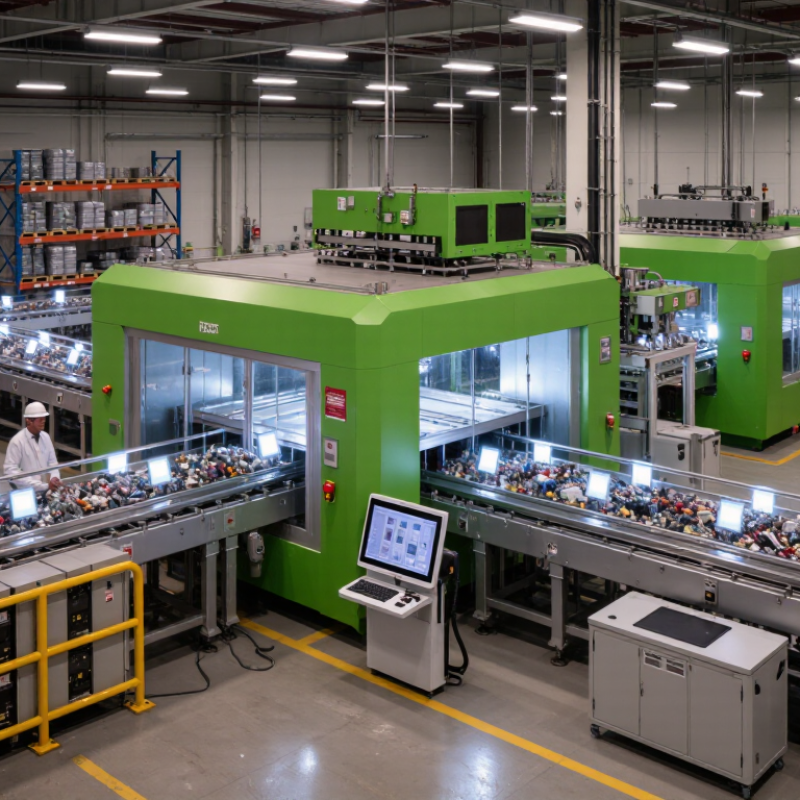
Define Green Machine Optical Sorter and Its Core Sorting Principles
A green machine optical sorter is an automated system that separates recyclable materials by their visible and measurable properties. “Green” usually suggests resource recovery, lower waste, and improved energy efficiency. However, it is not always a regulated technical term. Its meaning can vary between equipment suppliers and recycling facilities.
The core process starts with a controlled feeder. Materials move in a thin, even layer along a conveyor. Cameras, near-infrared sensors, or color detectors inspect each item. Software compares the collected signals with programmed material profiles. Air jets then remove selected pieces into separate chutes. The system may identify plastics, paper, glass, metals, or unwanted contaminants. Real-world results depend on moisture, dirt, material overlap, belt speed, and lighting. Perfect separation is unlikely.
Tip 1: Check the sensor range. A sorter should match your actual material stream, not a laboratory sample. Tip 2: Review throughput carefully. Higher speed can reduce accuracy when objects overlap. Tip 3: Ask for test data using your own samples. This is more reliable than impressive catalog figures. Also inspect cleaning access, air consumption, software controls, and operator training. A practical trial should measure purity, recovery rate, downtime, and power use. I would not choose a machine from accuracy claims alone. Maintenance conditions often reveal the real cost. Consider future material changes, because today’s settings may become unsuitable as packaging formats evolve.
Assess Material Type, Color Range, and Contaminant Removal Requirements
Choosing the best green machine optical sorter starts with the material, not the machine. Identify the feed by polymer, glass type, moisture, particle size, and surface condition. PET flakes, HDPE containers, mixed glass, and paper require different detection settings. The OECD Global Plastics Outlook reported that only 9% of plastic waste was recycled globally in 2019. That gap makes accurate separation commercially important. A practical trial should use real production material, not a clean laboratory sample. Clean samples can mislead.
Color range needs equal attention. Test clear, blue, green, amber, black, and printed items under actual lighting conditions. Near-infrared sensors may struggle with very dark surfaces, heavy labels, or layered packaging. Ask for measured recovery and purity results for each color group. The European Environment Agency reports that packaging waste remains a major part of Europe’s waste stream, increasing pressure on sorting quality. Contaminant removal must be defined precisely. Food residue, metals, stones, PVC, fines, and wet material behave differently on a conveyor. Request separate data for each contaminant type.
Do not trust one headline percentage. Check throughput, air-ejector response time, maintenance access, and performance after several hours. UNEP’s Global Waste Management Outlook 2024 projects municipal solid waste could rise from 2.3 billion tonnes in 2023 to 3.8 billion tonnes by 2050. Capacity matters. Still, higher speed may reduce accuracy. That trade-off deserves a careful plant trial.
7 Tips to Choose the Best Green Machine Optical Sorter
Compare the typical sorting priorities for common recyclable materials. Material type, color range, spectral response, and contaminant-removal requirements should all be evaluated before selecting an optical sorting configuration.
PET and HDPE typically require strong polymer identification, while glass and paper sorting depend more heavily on color contrast and contamination detection. Dark or heavily contaminated materials may require combined visible-light and near-infrared inspection.
Compare Optical Sensors, Detection Accuracy, and Sorting Performance
7 Tips to Choose the Best Green Machine Optical Sorter
Tip 1: Match the sensor to your material. RGB cameras identify visible color differences, while near-infrared sensors separate materials with similar appearances. Laser detection can reveal surface shape, but dust may reduce its reliability. Ask for test results using your actual feedstock, not showroom samples.
Tip 2: Compare detection accuracy carefully. Check both recognition rate and false-rejection rate. A sorter that removes unwanted pieces well may also discard valuable material. Request results for dark, wet, crushed, and overlapping items. These conditions often expose weaknesses. Tip 3: Study sorting performance beyond speed. Measure tons per hour, belt stability, air-ejection timing, and product purity together. A fast belt is not useful if delayed air jets miss small particles. Watch a live demonstration and inspect the output by hand.
Tip 4: Consider maintenance during real operation. Sensor windows need regular cleaning, especially in dusty rooms. Ask how quickly operators can replace filters, calibrate cameras, and review error records. Tip 5: Leave room for uncertainty. Feedstock changes by season, supplier, and moisture level. I have seen excellent laboratory accuracy fall during uneven feeding. A pilot test may reveal problems that specifications hide. Review data over several shifts before choosing the machine.
Evaluate Processing Capacity, Energy Use, Maintenance, and System Reliability
7 Tips to Choose the Best Green Machine Optical Sorter
Evaluate processing capacity under real operating conditions, not only the supplier’s maximum figure. Ask for throughput data at different material moisture levels and contamination rates. A sorter rated for ten tons per hour may slow considerably with wet or uneven feedstock. Check belt width, feeding consistency, and rejection speed. These details reveal whether the system fits your daily workload.
Measure energy use per processed ton. A lower electrical load can reduce operating costs, but weak airflow or lighting may reduce sorting accuracy. Review motor efficiency, compressed-air demand, standby consumption, and heat output. Maintenance access matters just as much. Operators should reach cameras, valves, filters, and conveyors without complicated dismantling. Keep replacement parts available locally when possible. Small delays can stop an entire line.
System reliability needs evidence. Request uptime records, test reports, warranty conditions, and response times for technical support. Run a supervised trial using your own material. Watch false rejects, missed items, dust buildup, and performance after several hours. One plant trial looked excellent during the first hour, but accuracy dropped later. That result was easy to overlook. Inspect software updates, fault alarms, data logging, and manual override controls. A dependable sorter should remain understandable when conditions change. Avoid choosing impressive specifications over stable, serviceable performance.