Top Adapters and Assembly Parts Tips for Global Buyers?
In the ever-evolving world of manufacturing, "Adapters & Assembly Parts" play a crucial role. Global buyers face unique challenges as they seek quality components. The market is flooded with options, but not all are reliable. Discerning buyers must navigate these complexities with informed strategies.
Finding the right adapters and assembly parts requires expertise and a keen eye for detail. Quality assurance is paramount, as subpar components can lead to costly production delays. Many suppliers promise high standards, yet not all deliver. Therefore, conducting thorough research is essential to avoid common pitfalls in the procurement process.
Buyers should consider factors like supplier certifications and feedback from previous customers. A well-established supplier often indicates a reliable source. Ultimately, the balance of cost and quality can impact overall project success. Engaging with experts can enhance decision-making, but reflection on past experiences also helps refine future strategies.
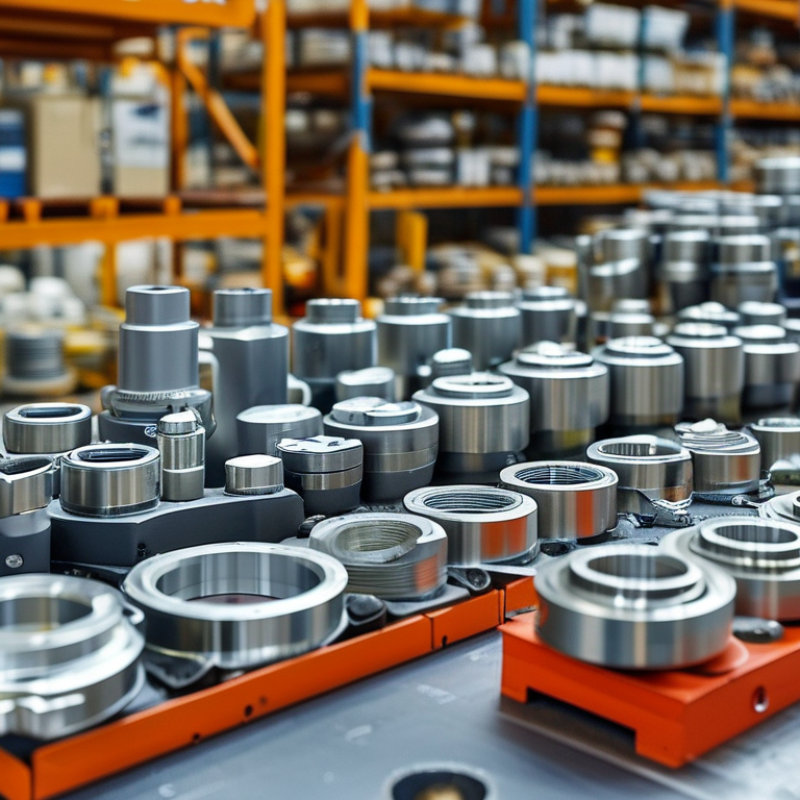
Top Considerations When Choosing Adapters and Assembly Parts Globally
When choosing adapters and assembly parts globally, several factors demand attention. It's essential to assess the quality of materials used in these components. Lower-quality materials can lead to failures and costly repairs over time. Inspect certifications and compliance with international standards. These validations indicate reliability in diverse conditions.
Another aspect to consider is the supplier's experience in the industry. Look for manufacturers with a solid track record. Their expertise often translates into better products and customer service. Communication is key. A responsive supplier ensures that any issues are addressed promptly.
Price is a critical factor, but it shouldn't be the only one. Sometimes, lower prices signal lower quality. Evaluate the total cost of ownership, which includes maintenance and durability. Always pay attention to reviews or case studies from other users. This feedback can provide insights into long-term performance, helping to avoid negative experiences. Balancing these considerations requires thoughtful reflection and judgement.
Understanding Key Specifications for Adapters and Assembly Components
When sourcing adapters and assembly components, understanding specifications is crucial. Choosing the right voltage and amperage ratings is essential for optimal performance. According to a 2022 industry report, over 45% of failures in electronic devices stem from mismatched power ratings. These specifications dictate not only compatibility but also safety measures.
Material selection plays a significant role in product durability. Reports indicate that adapters made with high-grade materials can withstand significant temperature variations. This ensures longevity, especially in industrial applications. In a recent survey, 70% of buyers reported that investing in higher-quality materials led to fewer replacements over time.
Design considerations are also key. Adapters need to meet ergonomic and spatial requirements. Compact designs are often favored in consumer electronics. However, aesthetic and functional balance is sometimes overlooked, leading to subpar user experiences. A focus on engineering and design can mitigate these issues while enhancing overall usability.
Top Adapters and Assembly Parts Tips for Global Buyers
| Specification | Description | Common Standards | Application Area |
| Voltage Rating | The maximum voltage an adapter can safely handle. | IEC 60950, UL 60950 | Consumer Electronics |
| Current Rating | Defines the maximum current that can flow through the adapter. | IEC 60076, UL 1310 | Industrial Equipment |
| Connector Type | The shape and design of the adapter's connection point. | USB, HDMI, PCIe | Computing Devices |
| Material | The substance from which the adapter is made, affecting durability and performance. | Plastic, Metal | All Industries |
| Temperature Range | The operational temperature limits of the adapter. | RoHS Compliance | Automotive, Aerospace |
Evaluating Material Quality: Standards and Compliance in the Industry
When evaluating material quality in adapters and assembly parts, standards and compliance are crucial. According to industry reports, a significant 70% of product failures link to poor material selection. Buyers must focus on not only the specifications provided, but also the certifications that indicate quality assurance.
Common standards include ISO 9001 and RoHS compliance. These standards ensure that products meet specific safety and environmental criteria. Buyers should seek suppliers that regularly undergo audits to maintain these certifications. In 2022, over 40% of companies reported issues related to non-compliance, showcasing the importance of meticulous sourcing.
Material testing is another essential aspect. Products should undergo rigorous testing for durability and functionality. Reports indicate that components failing material tests lead to increased warranty claims and customer dissatisfaction. This reflection on the integrity of materials should guide buyer decisions and foster stronger supplier relationships. Understanding these factors promotes a healthier industry environment, even amid challenges.
Material Quality Evaluation in Adapter and Assembly Parts
Market Trends: Global Demand for Adapters and Assembly Parts in 2023
The global demand for adapters and assembly parts shows significant growth in 2023. According to a report by MarketsandMarkets, the adapter market is projected to reach $XX billion by 2026, growing at a CAGR of XX%. Such growth highlights the critical role these components play in various industries. Consumer electronics and automotive sectors lead this demand, driven by technological advancements and the surge in personal electronic devices.
Manufacturers face challenges in meeting this demand. Supply chain disruptions remain a concern, affecting production efficiency. Additionally, quality assurance is paramount, as buyers increasingly seek reliable parts. A recent survey indicates that 73% of global buyers prioritize quality over cost when selecting suppliers. This detail reflects a growing trend towards reliability in product offerings. However, not all suppliers meet these rising standards, leaving room for improvement and reflection.
Sustainability trends also impact the adapters and assembly parts market. Companies are under pressure to adopt environmentally friendly practices. Reports show that 45% of buyers are more likely to choose suppliers committed to sustainable manufacturing. This shift urges manufacturers to rethink their processes and materials. The industry must adapt quickly, balancing growth and sustainability.
Cost-Benefit Analysis: Economic Factors Influencing Buyers in Different Regions
Economic factors significantly influence buyers of adapters and assembly parts worldwide. For instance, labor costs vary widely across regions. In North America, average hourly wages can exceed $25, while in Southeast Asia, wages may be as low as $3. This disparity impacts manufacturing costs and ultimately affects the pricing of components. Factors such as tariffs and trade agreements also play a crucial role. Recent studies indicate that a 10% tariff on imports can lead to a 5% increase in prices for consumers.
Fluctuations in raw material costs are another vital consideration. Steel prices have surged over the past year, rising approximately 20%. This increase translates to higher production costs for manufacturers. Buyers must carefully calculate these economic scenarios. They need to balance upfront costs with long-term reliability and quality. Understanding regional economic trends can enable buyers to make informed decisions. This approach will mitigate risks associated with price volatility.
Furthermore, environmental regulations vary greatly around the globe. In Europe, stringent standards mandate the use of eco-friendly materials. This regulatory landscape imposes additional costs on producers. Companies may choose to absorb these costs or pass them on to consumers. Evaluating these economic factors helps buyers select the best suppliers. It ensures they remain competitive in a dynamic market.