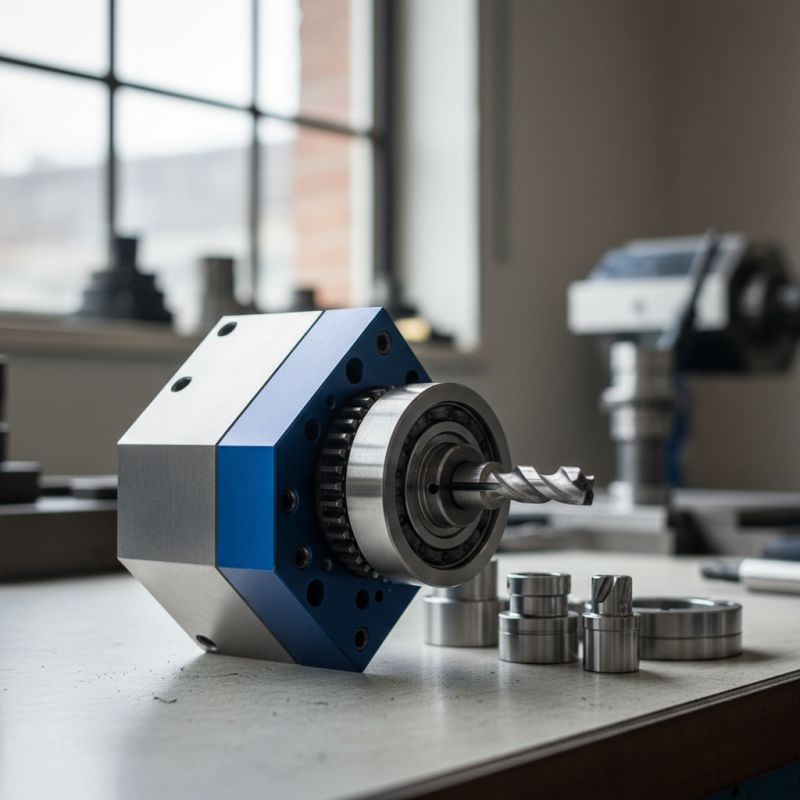
What is an Angle Head Holder and How to Choose the Best One?
Choosing the right Angle Head Holder can significantly impact your machining operations. This tool is vital for enhancing precision and versatility in various applications. It allows users to attach tools at different angles, optimizing the machining process.
When selecting an Angle Head Holder, consider the machine compatibility. Not all holders fit perfectly with every set-up. Pay attention to the specifications. Quality and material also play crucial roles. A well-made holder may cost more, but it can save time and prevent errors.
Reflecting on your needs is essential. What projects will you be tackling? A simple, affordable holder may seem attractive, but will it meet your expectations? Investing in a reliable Angle Head Holder could transform your work. Yet, finding the right balance between cost and functionality takes careful thought.
Understanding Angle Head Holders: Definition and Functionality
An angle head holder is a vital tool in machining. It allows for various lathe operations without needing to change tools frequently. This tool holds attachments at precise angles, enhancing efficiency and versatility. Essentially, it expands the capabilities of a standard machine, enabling it to perform complex tasks with ease.
Choosing the best angle head holder requires a careful assessment of specific needs. Factors like size, material, and angle range should be considered. Some may prioritize durability while others might focus on precision. However, finding a balance can be tricky. It's essential to reflect on the tasks you plan to execute. Some users have expressed dissatisfaction with their choices, often wishing they had researched further.
Exploring different designs can be beneficial. Some angle head holders offer unique functionalities that cater to specific applications. Many users appreciate the flexibility they provide. Yet, sometimes these features can lead to complications. Ensuring compatibility with existing equipment is crucial. Not every holder fits all machines seamlessly, which can be frustrating after purchase.
Key Features of Angle Head Holders: What to Look For
When selecting an angle head holder, consider the key features that best suit your needs. Material quality is crucial. Look for holders made from robust metals or high-grade plastics. Strength impacts durability and performance. Also, check for a secure locking mechanism. A reliable lock keeps the tool steady during operation. If the holder wiggles, your work may suffer.
Compatibility is another factor. Ensure the angle head holder fits your machinery. Check the dimensions and connection types. A mismatch can lead to inefficiency. Additionally, consider the angle range it offers. Holders with flexible angles enable unique positioning. This can be especially helpful for tight spaces.
Ease of use should not be overlooked. A complicated design may slow you down. Look for intuitive features and a comfortable grip. Practicality often outweighs high-tech options. After all, functionality matters most in a workshop. Reflecting on these features can lead to better choices. Your tasks depend on reliable tools. Don't settle for less.
Materials and Build Quality: Choosing the Right Angle Head Holder
When choosing an angle head holder, materials and build quality are crucial. A robust holder can withstand significant pressure. Look for options made from durable metals like steel or aluminum. These materials can handle tough machining environments. Plastic holders may seem lightweight, but they often lack the necessary strength.
The design of the holder is also important. A solid build ensures better precision and longevity. Check for features like a smooth finish and tight tolerances. These attributes contribute to accurate operations. Sometimes, users overlook these factors. They might focus solely on price and overlook quality.
In addition, consider how you will use the holder. Different tasks require different strengths. For heavy-duty jobs, a sturdy model is essential. If your work is lighter, a mid-range option might suffice. Reflect on your specific needs to make the best choice. A hasty decision could lead to frustrations later on.
Performance Metrics: Evaluating Angle Head Holders Effectively
When evaluating angle head holders, performance metrics play a critical role. These metrics determine how effectively a holder can perform tasks, such as reducing cutting time and improving tool lifespan. A recent industry report states that using a high-quality angle head holder can reduce machining time by up to 30%. This is significant for any manufacturer aiming to enhance productivity.
Another important metric is the rigidity of the angle head holder. The stiffer the holder, the better it will resist deflection during machining. Studies show that holders with a high rigidity rating can maintain tool accuracy, minimizing errors. In fact, inaccuracies can lead to scrap rates as high as 5-10%. Evaluating these details can help ensure your investment pays off.
Furthermore, the compatibility with different tool types is vital. Not all angle head holders work seamlessly with every tool. Users often find themselves grappling with mismatches that can slow down production. Ensuring your chosen holder is suitable for your specific tools must be a priority. It’s essential to reflect on these criteria to make an informed decision.
Industry Applications: Where Angle Head Holders Make a Difference
Angle head holders play a crucial role in various industries. They allow for precise machining in tight spaces where traditional tools cannot reach. Industries like automotive, aerospace, and medical device manufacturing benefit greatly from these devices. Reports indicate that 40% of CNC machining operations can be improved with angle head holders due to their versatility.
In automotive manufacturing, for example, the ability to work at different angles can increase efficiency. A study reveals that using angle heads can reduce production time by up to 30%. This is essential in a sector that demands speed and precision. However, many companies overlook the specifics of selecting the right angle head holder for the job. This can lead to decreased performance and higher costs over time.
The aerospace industry also relies on these tools for complex geometries. Precision is non-negotiable here. A miscalculation can lead to dire consequences. In fact, it is reported that 15% of tooling failures stem from improper tool selection. Companies must consider various factors, such as material, design, and compatibility with existing machinery, before making a choice. Failure to do so reflects a lack of foresight in planning.