What are the Benefits of Galvanized Nails in Construction?
In the construction industry, the choice of materials is crucial. Galvanized nails play a significant role in durability and longevity. According to expert John Smith, “Using galvanized nails can increase the lifespan of any structure significantly.” This highlights the importance of selecting the right fasteners for construction projects.
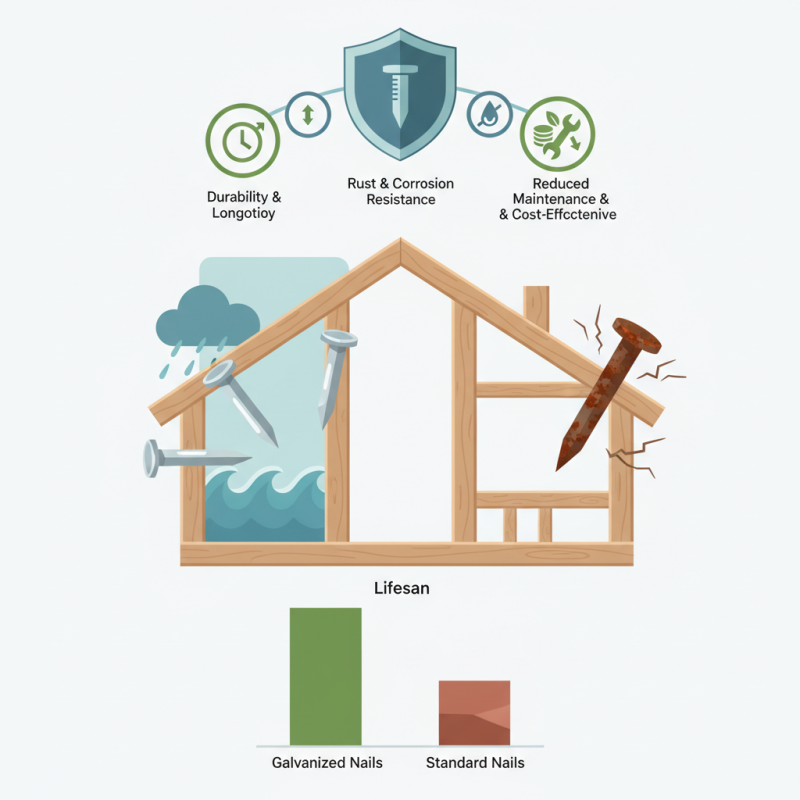
Galvanized nails are coated with zinc, providing resistance to rust and corrosion. This feature makes them ideal for both indoor and outdoor applications. In environments exposed to moisture, such as coastal regions, their benefits are even more pronounced. However, not all galvanized nails are created equal. Depending on the coating thickness, performance can vary.
While many appreciate the advantages of galvanized nails, some might overlook their cost. In some cases, the price difference may lead builders to choose standard nails. This decision can have long-term implications. Reflecting on these choices is essential for ensuring the best materials are used. Galvanized nails offer a practical solution that can enhance structural integrity and reduce maintenance needs.
Definition and Composition of Galvanized Nails in Construction
Galvanized nails are essential in construction. Understanding what they are helps appreciate their role. These nails are made of steel coated with zinc. This coating protects against rust and corrosion. The process of galvanization involves immersing the nails in molten zinc. This creates a strong bond between the steel and zinc.
The composition of galvanized nails includes both steel and zinc. The steel provides strength, while the zinc adds a protective layer. This makes them particularly useful in outdoor projects. Many builders often choose these nails for their durability. However, some may overlook their long-term benefits.
While galvanized nails resist rust, they are not perfect. In extreme environments, the zinc may wear off. Regular inspections can help catch early signs of wear. Proper installation is crucial, too. Nails should be driven straight and at the right angle. This ensures they perform as expected. With attention to detail, galvanized nails can greatly enhance construction projects.
Advantages of Corrosion Resistance in Various Environments
Galvanized nails provide significant advantages in construction, particularly when it comes to corrosion resistance. In environments prone to moisture or high humidity, galvanized nails can outlast traditional nails. According to a report from the American Galvanizers Association, galvanized nails can be up to two to three times more durable than non-galvanized alternatives. This increased lifespan reduces the risk of structural failures.
In coastal areas, where saltwater exposure is common, galvanized nails shine. The corrosion resistance inherent in their coating can withstand harsh conditions. A study from the National Association of Home Builders highlights that galvanized fasteners can significantly lower maintenance costs. They offer a reliable choice for builders, helping to avoid frequent replacements.
However, not all environments are ideal for galvanized nails. In some cases, the coating may peel over time, especially in extreme temperatures. This can expose the underlying metal to corrosion, negating many benefits. It’s crucial for construction professionals to consider specific project conditions. Balancing the advantages and potential drawbacks ensures a sound decision in material choice.
Cost-Effectiveness and Longevity Compared to Other Nail Types
Galvanized nails are popular in construction for several reasons. One key factor is their cost-effectiveness. They are coated with zinc, which protects them from rust and corrosion. This means fewer replacements over time. The lifespan of galvanized nails often exceeds that of regular steel nails.
Choosing the right nail can be pivotal. It's essential to consider your project's specific needs. While galvanized nails might be pricier upfront, their longevity saves money in the long run. You won’t need to replace them often. This aspect is especially beneficial in humid or outdoor environments.
Tip: Always assess the environment before selecting nails. If you're working in a wet area, galvanized nails are a better choice.
Despite their advantages, there are situations where galvanized nails may not be ideal. For example, in extremely hot temperatures, the zinc coating can melt. Consider the specific conditions of your project and the potential challenges. This reflection is crucial for choosing the best materials for longevity.
Tip: Consult with professionals when in doubt. A second opinion can illuminate factors you might overlook.
What are the Benefits of Galvanized Nails in Construction? - Cost-Effectiveness and Longevity Compared to Other Nail Types
| Nail Type | Cost per 1000 (USD) | Lifespan (Years) | Corrosion Resistance | Best Use Case |
| Galvanized Nails | $30 | 10+ | High | Outdoor Construction |
| Stainless Steel Nails | $50 | 15+ | Very High | Coastal Areas |
| Common Steel Nails | $20 | 5 | Low | Indoor Use |
| Coated Nails | $25 | 8 | Medium | General Construction |
Applications of Galvanized Nails in Different Construction Projects
Galvanized nails are a popular choice in various construction projects. They are coated with zinc, providing excellent resistance to rust and corrosion. This makes them ideal for outdoor applications. Construction teams use them in roofing, siding, and decking projects. Their durability leads to longer-lasting structures.
In residential construction, galvanized nails excel in framing and carpentry work. They effectively secure components under varying weather conditions. Use in treated lumber is also common. Some builders, however, question their performance in certain applications. Not all galvanized nails are created equal. Attention to specifications is key.
In commercial construction, these nails play a vital role in metal and wood connections. They are utilized in both structural and non-structural elements. While the benefits are clear, recognizing limitations is essential. Improper installation can lead to structural weaknesses. So, careful handling and application are necessary for success.
Benefits of Galvanized Nails in Construction
This chart illustrates the different benefits of using galvanized nails in construction projects, representing their percentages based on various factors such as corrosion resistance, strength, cost-effectiveness, durability, and versatility.
Environmental Considerations and Sustainability of Galvanized Nails
Galvanized nails are widely appreciated for their durability and resistance to corrosion. However, their environmental impact requires careful consideration. The galvanization process involves coating nails with zinc, which can lead to environmental concerns if not managed properly. When these nails degrade, they release zinc into the soil and water. Excessive zinc levels can harm plant life and aquatic ecosystems.
Sustainability is a vital aspect of construction today. Using galvanized nails can be more energy-efficient compared to alternatives. They can reduce the need for frequent repairs, resulting in less waste. Yet, we must ask ourselves: are we fully assessing their lifecycle? Recycling options for used galvanized nails are limited, which can pose challenges for waste management. This scenario raises questions about the long-term sustainability of materials we often take for granted.
The production of galvanized nails can also have a carbon footprint. While they last longer, their manufacturing process consumes energy and resources. It is crucial to weigh the benefits against these environmental costs. Choosing sustainable construction practices may lead to novel solutions. Rethinking our material choices can contribute to a greener future in construction.