Top 10 Benefits of Wire Mesh Screens for Home and Industrial Use
Wire mesh screens have become an integral component in both residential and industrial settings, offering a multitude of benefits that enhance safety, efficiency, and convenience. As versatile barriers, wire mesh screens serve various functions, from providing security against unwanted intrusions to ensuring ventilation and visibility. Their durable construction and design make them suitable for a range of applications, making them a preferred choice for homeowners and industry professionals alike.
One of the standout advantages of wire mesh screens is their ability to promote airflow while keeping pests at bay, thereby creating a comfortable environment in living and working spaces. Furthermore, they are commonly used in industrial processes to segregate materials without losing visibility, optimizing operational efficiency. As we delve deeper into the top ten benefits of wire mesh screens, it becomes clear that their applications extend beyond simple barriers, playing a crucial role in enhancing the functionality and safety of various environments.
Overview of Wire Mesh Screens: Definitions and Common Applications
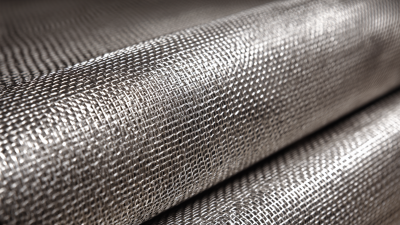
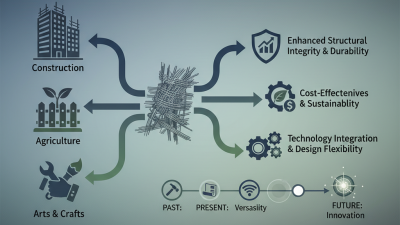
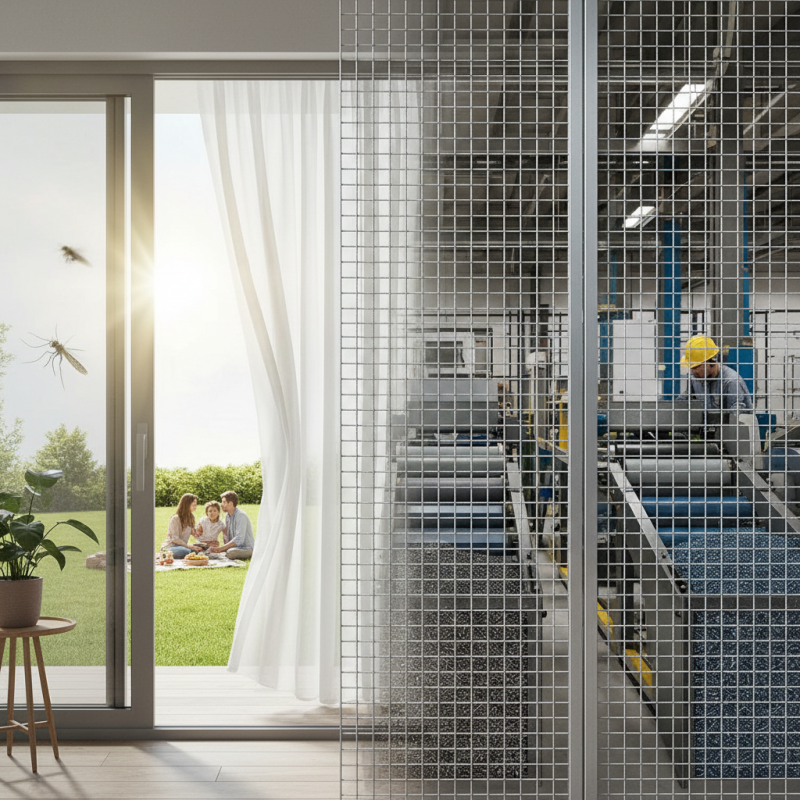
Wire mesh screens are versatile tools utilized in both home and industrial environments, serving a variety of purposes. In essence, wire mesh consists of strands of metal woven together to create a network of openings that provide not only durability but also ventilation and visibility. Commonly made from materials like stainless steel, aluminum, and copper, these screens find applications in several sectors, including construction, agriculture, and manufacturing. According to a market research report by Grand View Research, the global wire mesh market is projected to witness a significant growth rate of over 4% from 2022 to 2030, driven by the increasing demand for construction materials and filtration solutions.
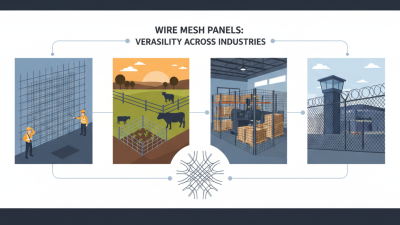
In residential settings, wire mesh screens are predominantly used for window and door security, effectively keeping pests out while ensuring adequate airflow. In industrial applications, they play a pivotal role in sorting, filtering, and protecting machinery from debris. For instance, the food and beverage industry employs wire mesh sieves to separate solids from liquids, thereby enhancing the quality control processes. The versatility of wire mesh screens also extends to their ability to be customized based on mesh size and gauge, making them suitable for specific filtration tasks. As industries continue to pursue efficiency and safety, the importance of wire mesh screens in both home and industrial applications cannot be overstated.
Durability and Longevity of Wire Mesh Screens in Various Environments
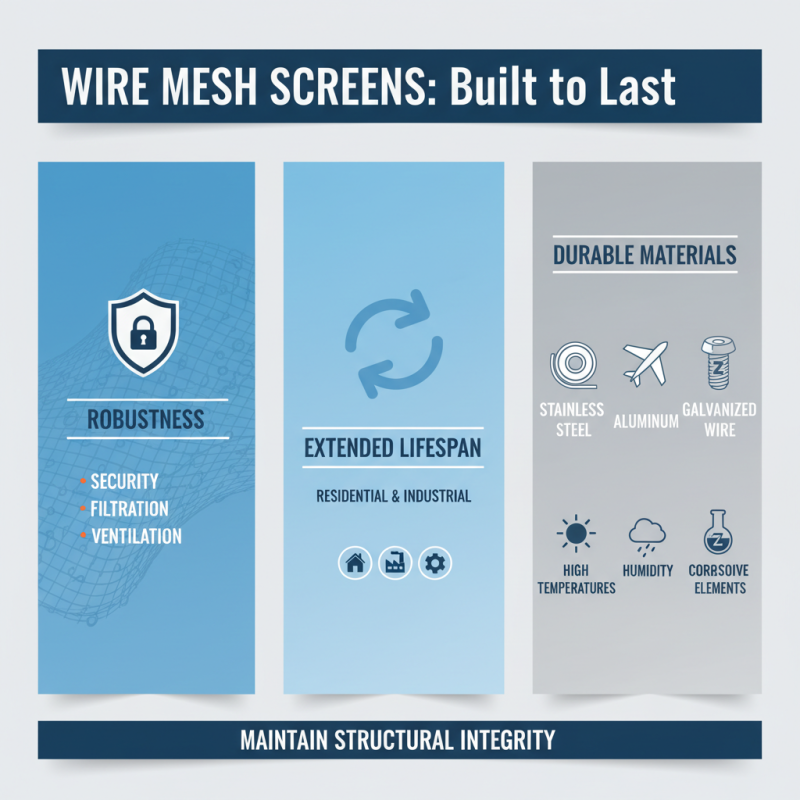
Wire mesh screens are celebrated for their robustness and extended lifespan, making them an essential choice for both residential and industrial applications. Built from durable materials such as stainless steel, aluminum, or galvanized wire, these screens withstand various environmental conditions, including high temperatures, humidity, and exposure to corrosive elements. Their ability to maintain structural integrity over time ensures that they serve their intended purpose effectively, whether for security, filtration, or ventilation.
In industrial environments, where heavy machinery and harsh chemicals are commonplace, the durability of wire mesh screens becomes even more critical. Their resistance to wear and tear means reduced need for frequent replacements, translating to significant cost savings for businesses. Additionally, wire mesh screens can be customized to different sizes and specifications, allowing for versatility in use across various industrial setups. Their longevity also contributes to sustainable practices by minimizing waste, thus reducing the ecological footprint associated with frequent screen replacements.
Enhanced Airflow and Ventilation: Technical Benefits of Wire Mesh Screens
Wire mesh screens play a crucial role in enhancing airflow and ventilation, particularly in both residential and industrial environments. These screens are designed to maximize air movement while providing a physical barrier against insects and debris. According to the American Society of Heating, Refrigerating and Air-Conditioning Engineers (ASHRAE), incorporating wire mesh screens in ventilation systems can improve air exchange rates by 20-30%. This improvement is especially beneficial in settings where maintaining optimal air quality is essential, such as in manufacturing plants, warehouses, and even homes where cross-ventilation is vital for comfort and health.
Furthermore, the technical design of wire mesh screens allows for significant reductions in energy consumption associated with HVAC systems. A report from the U.S. Department of Energy indicates that efficient ventilation methods, including the use of wire mesh, can lead to energy savings of up to 15%. By facilitating better airflow, these screens ensure that heating and cooling systems operate more effectively, reducing unnecessary strain and resulting in lower operational costs. As a result, wire mesh screens not only support improved indoor air quality but also contribute to overall sustainability by minimizing energy use in various applications.
Top 10 Benefits of Wire Mesh Screens for Home and Industrial Use
Cost-Effectiveness: Analyzing Long-Term Savings with Wire Mesh Screens
When considering the long-term investment in wire mesh screens, the cost-effectiveness of this option becomes clear. One of the primary advantages of wire mesh screens is their durability. Made from high-quality materials, these screens can withstand harsh conditions without significant wear and tear. This resilience leads to fewer replacements over time, translating into substantial savings for both homeowners and industrial users. By opting for wire mesh screens, individuals can avoid the recurring costs associated with less durable alternatives that require frequent replacement.
In addition to their longevity, wire mesh screens offer significant savings in maintenance. Unlike other filtering or protective systems, these screens typically require minimal upkeep. Regular cleaning is often sufficient to maintain their functionality, allowing users to allocate budget and time towards more critical areas of operation or upkeep. For industries where efficiency is paramount, this translates into lower operational costs over the lifespan of the screens. Thus, the initial investment in wire mesh screens can result in significant long-term financial benefits, making it a wisChoice for diverse applications in both residential and industrial settings.
Safety and Security Features: A Statistical Review of Wire Mesh Screens' Efficacy
Wire mesh screens serve as an effective barrier, enhancing safety and security in both residential and industrial settings. Their design allows for visibility while providing a formidable layer of protection against intrusions and accidents. Statistically, studies have shown that homes equipped with wire mesh screens significantly deter break-ins, with some reports indicating a reduction in incidents by up to 30%. This deterrent effect is largely attributed to the physical challenge that these screens pose to potential intruders, making it much less likely for unlawful entry to occur.
In industrial applications, wire mesh screens are critical for ensuring the safety of personnel and equipment. They can prevent accidents caused by debris or projectiles, which is especially important in environments that handle heavy machinery or materials. Statistical analyses indicate that companies utilizing wire mesh safety barriers experience fewer workplace incidents, with a reported decrease in injuries by around 25%. Additionally, these screens contribute to maintaining a clean and controlled environment, further promoting safety standards. By integrating wire mesh screens into their safety protocols, both home and industrial users enhance their overall security framework.