Best Dust Collection Unit for Efficient Industrial Use?
In industrial settings, maintaining air quality is crucial. A reliable Dust Collection Unit plays a significant role in achieving this goal. These systems effectively capture airborne pollutants and maintain a cleaner workspace. However, choosing the right unit can be challenging. Various factors influence their efficiency, including filter type, airflow rate, and maintenance requirements.
Many industries overlook the importance of dust control. They may opt for cheaper options, risking performance. A high-quality Dust Collection Unit not only enhances air quality but also improves operational efficiency. Despite their costs, investing in a durable unit pays off in the long run.
Understanding the nuances of different models is essential. Not all dust collection systems are created equal. Some may excel in specific environments while failing in others. It's vital to assess your unique industrial needs before deciding. With careful consideration, the right Dust Collection Unit can transform your workspace into a safer and more productive environment.
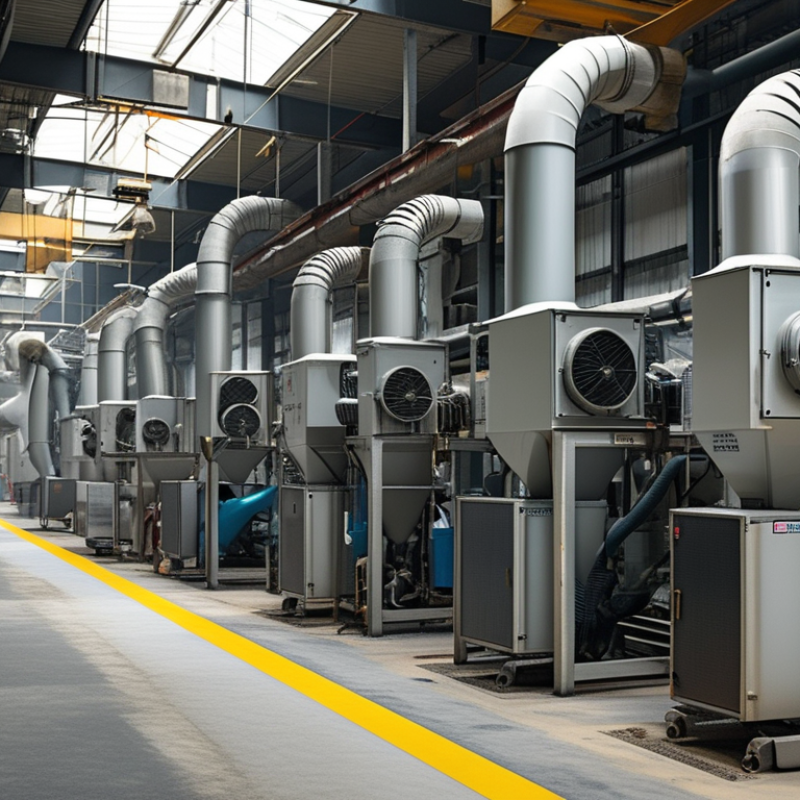
Understanding the Importance of Dust Collection in Industrial Settings
Dust collection plays a crucial role in industrial environments. It reduces airborne contaminants that can harm workers' health. Poor air quality can lead to respiratory issues and decreased productivity. Effective dust collection systems help maintain a cleaner workspace, which is essential for safety and efficiency.
In many industries, dust accumulation can lead to fires or explosions. For instance, woodshops and metal fabrication areas are particularly susceptible. Dust particles can settle on surfaces and create hazards. A reliable dust collection unit not only mitigates these risks but also improves overall compliance with safety regulations. This is where choosing the right equipment becomes vital.
However, not all dust collection systems are created equal. Factors like the type of material being processed and the layout of the facility can influence performance. Businesses often face challenges in assessing their specific needs. Some may overlook regular maintenance, which can lead to decreased efficiency over time. Regular checks on filters and ducting are essential for optimal function. Dust collection isn't just about equipment; it's about creating a safe and productive environment for everyone.
Key Features to Look for in an Industrial Dust Collection Unit
When selecting an industrial dust collection unit, key features are critical for effective performance. One essential aspect is the filtration system. High-efficiency particulate air (HEPA) filters can capture 99.97% of particles as small as 0.3 microns. According to a report by the Environmental Protection Agency, poor air quality can lead to respiratory illnesses, emphasizing the need for quality filtration.
Another important feature is the airflow capacity. A higher cubic feet per minute (CFM) rating means better dust removal. In industries like woodworking and metalworking, a CFM of at least 1,000 is ideal for maintaining a safe environment. Selecting a machine with a variable speed control can also optimize airflow based on specific needs, ensuring energy efficiency without compromising suction power.
Understanding your workspace is crucial. Evaluate the size and type of materials you handle to choose the right unit. Too often, companies underestimate this factor and invest in underperforming equipment. Always consider ease of maintenance as well. Dust collectors require regular cleaning to function effectively. Simplified access to filters and collection bags can enhance operator usage.
For effective implementation, regularly monitor air quality levels after installation. This practice can help identify potential issues early. Proper training for staff on operating the system can further improve outcomes, minimizing downtime and ensuring a healthier workplace.
Types of Dust Collection Systems: Which is Right for Your Needs?
When selecting the right dust collection system, it's crucial to understand the different types available. Each system has its advantages and tailored applications. For instance, cyclonic dust collectors efficiently separate larger particles before they reach the filter. This can extend filter life by up to 50%, based on industry studies.
Baghouse filters are another consideration. These systems excel in capturing fine dust particles thanks to their high surface area. A report indicated that they could achieve efficiencies above 99%. However, they may require more maintenance and have higher upfront costs. It's essential to weigh these factors against operational needs and expected dust volumes.
Mist collectors serve niche applications. They effectively handle oily mists and vapors, which standard systems may not capture. According to industry guidelines, using the wrong system can lead to excessive downtime and increased costs. Choosing the right dust collection unit is vital for efficiency, cost-effectiveness, and workplace safety. Each dust collector type offers unique benefits that can cater to specific industrial environments. Careful assessment of your operational requirements will guide you in making an informed choice.
Best Dust Collection Unit for Efficient Industrial Use
| Type of Dust Collection System | Efficiency (%) | Ideal Applications | Maintenance Frequency (Months) | Initial Cost (USD) |
| Baghouse Filters | 99 | Woodworking, Metalworking | 6 | 3000 - 15000 |
| Cyclone Separators | 95 | Wood Shops, Metal Factories | 12 | 2500 - 12000 |
| Portable Dust Collectors | 85 | Small Workshops | 3 | 500 - 3000 |
| HEPA Filters | 99.97 | Pharmaceuticals, Electronics | 12 | 5000 - 20000 |
| Electrostatic Precipitators | 90 | Power Plants, Manufacturing | 24 | 10000 - 50000 |
Evaluating Performance: Airflow, Filtration, and Collection Efficiency
When selecting a dust collection unit for industrial applications, performance metrics are crucial. Airflow is one of the most significant factors. High airflow ensures that dust particles are effectively transported from the source to the collector. A strong airflow can minimize equipment wear and tear, leading to reduced maintenance costs over time. However, achieving the right balance between airflow and filtration is essential. Too much airflow can overwhelm the filtration system, while too little can leave harmful particles in the workplace.
Next, consider the filtration capabilities. Effective filtration removes fine dust particles, improving air quality. HEPA filters are often recommended, as they capture 99.97% of particles. However, these filters can also clog quickly if not maintained properly. Regular checks and changes are necessary to keep them efficient. Users often overlook this aspect, leading to reduced performance.
Lastly, collection efficiency is a practical measure of a unit's performance. A system should be evaluated based on how well it collects dust over time. Sometimes, users find that their collection bins fill up too quickly or don’t capture all dust effectively. This can be frustrating, especially in high-output environments. Evaluating units based on real-world usage and longevity can provide valuable insights and lead to better decision-making when investing in dust collection solutions.
Maintaining Your Dust Collection Unit for Long-Term Efficiency
Maintaining a dust collection unit is crucial for long-term efficiency in industrial settings. Regular maintenance ensures optimal performance and can prolong the lifespan of the equipment. According to a recent industry report, a well-maintained dust collection system can operate efficiently for up to 10 years. This is significantly longer than units that are neglected, which often fail within five years due to clogging and mechanical issues.
Scheduled inspections, filter replacements, and cleaning are essential practices. Filters should be replaced every six months to ensure maximum airflow. Blocked filters can reduce system efficiency by up to 30%, leading to increased energy costs and reduced productivity. Additionally, dust buildup on equipment can pose serious fire hazards, and ignoring it can result in costly downtime.
Beyond routine tasks, it’s worth reflecting on the system’s design and placement within the facility. Factors like airflow dynamics and dust type can affect performance. Ensuring that the dust collection unit is correctly calibrated for your specific environment is key. An annual review of its performance statistics can reveal inefficiencies. Taking a proactive approach to maintenance not only enhances performance but also fosters a safer workplace.