What is the Best House Water Filter for Clean Drinking Water?
Access to clean drinking water is crucial for health and well-being. A significant number of households rely on various systems to ensure water quality. According to the Environmental Protection Agency (EPA), nearly 15% of Americans use private wells, which can be susceptible to contamination. This raises questions about the effectiveness of the House Water Filter systems available.
In recent years, the market for water filtration has expanded dramatically. A report from the National Sanitation Foundation states that 70% of consumers believe that tap water is unsafe. Many seek reliable solutions for clean, safe drinking water. House Water Filters, including reverse osmosis systems and activated carbon filters, are increasingly popular. They can remove harmful contaminants such as lead, chlorine, and bacteria.
However, not all filters are created equal. Users often face challenges in selecting the best one. Some may not remove all contaminants. Others may require frequent replacement. This complexity highlights the need for research and expert guidance in choosing a House Water Filter that meets specific needs. Understanding the technology behind these filters is essential for making informed decisions.
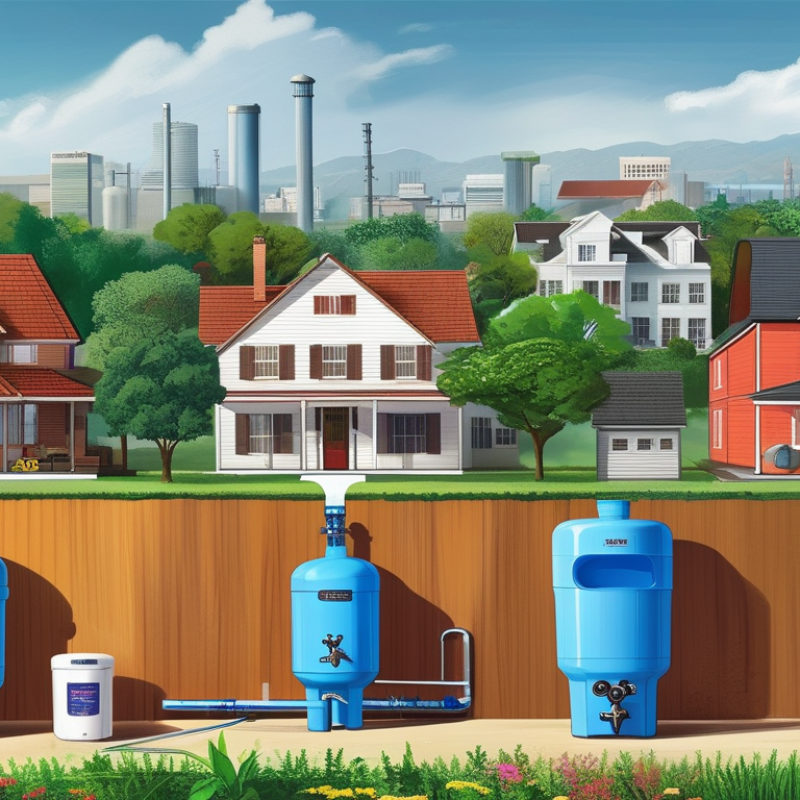
Types of House Water Filters Available for Clean Drinking Water
When selecting a house water filter, it's essential to understand the various types available. Each type addresses specific contaminants in your drinking water. For example, activated carbon filters are popular for reducing chlorine and improving taste. These filters can make your water more enjoyable to drink.
Another option is reverse osmosis systems. These systems force water through a semipermeable membrane, removing many impurities. They are effective against heavy metals and bacteria. However, they can take up significant space under your sink and produce wastewater during the filtration process.
Distillation is yet another method. It involves boiling water and collecting the steam, leaving contaminants behind. While it effectively removes a wide array of pollutants, it may be slow and energy-intensive. Not all homes may find it practical for daily use. Understanding these options is vital for choosing the right filter for clean drinking water at home.
Factors to Consider When Choosing a Water Filter System
When choosing a water filter system, several factors need careful consideration. Start with the type of contaminants present in your water supply. Testing your water helps identify specific pollutants. This information guides you in selecting a filter that targets those contaminants effectively.
The filter type is another essential factor. Options include activated carbon filters, reverse osmosis systems, and UV purifiers. Each type serves different purposes. For example, carbon filters excel at removing chlorine taste but might not eliminate heavy metals. Understanding these distinctions can lead to more informed choices.
Flow rate is crucial too. This determines how quickly filtered water is available. Think about your daily usage. A household with higher water demands requires a system designed for that capacity. Also, consider maintenance needs. Some systems require frequent filter replacements, while others are more low-maintenance. Balancing these aspects can lead to a suitable system that meets your needs without unnecessary upkeep.
Benefits of Using a House Water Filter for Health and Safety
Having a reliable house water filter can greatly enhance your health and safety. Clean drinking water is crucial for your well-being. Contaminated water can lead to numerous health issues, such as gastrointestinal illnesses. A good water filter removes harmful substances like chlorine, lead, and bacteria. This produces healthier, tastier water.
Filters can also save you money in the long run. Bottled water may seem convenient, but its costs add up over time. With a home water filter, you enjoy fresh water without the continual expense. You reduce plastic waste as well. Some people might struggle with installation or maintenance. It is crucial to follow the instructions carefully to ensure optimal filtration.
Many families overlook the importance of regular filter replacements. A clogged filter can allow contaminants to pass through. This may lead to a false sense of security regarding water quality. Investing in a high-quality water filter can seem daunting, but the benefits are worth the effort. It’s essential to research options to find the best fit for your household needs.
Top Rated House Water Filters Reviewed for Effectiveness
Choosing the right house water filter is essential for clean drinking water. Studies indicate that about 50% of U.S. households use some form of water filtration. With contaminants such as lead and chlorine often found in municipal water supplies, effective filtration can significantly improve water quality. Depending on the type of filter, homeowners can reduce impurities by up to 99%.
The most effective filters typically use activated carbon, reverse osmosis, or UV technology. Activated carbon filters are widely favored for their ability to enhance taste and odor while removing chemicals. A recent report showed that these filters can reduce chlorine levels by 90% in some cases. However, they may not remove all bacteria, leading to potential gaps in safety.
On the other hand, reverse osmosis systems excel at removing a broader range of contaminants, including heavy metals. Research suggests that homes using these systems saw lead levels drop by over 95%. Yet, these systems often waste a portion of water during filtration, raising concerns about water conservation. Understanding each filter's strengths and weaknesses is vital for making informed decisions. Homeowners must weigh effectiveness against cost and resource use to ensure clean, safe drinking water.
Tips for Maintenance and Longevity of Water Filter Systems
Maintaining a House Water Filter System is crucial for clean drinking water. Regular upkeep not only ensures effective filtration but also prolongs the life of the system. One essential tip is to replace filters timely. Most filters have a specific lifespan, often ranging from three to six months. Ignoring this can lead to decreased efficiency, resulting in subpar water quality.
Check for leaks and any signs of wear. Leaks can compromise the filtration process. Even small ones can escalate into bigger problems. Regularly inspect the connections and housing. This practice builds reliability and gives peace of mind.
Clean your water filter system periodically. Mineral buildup can affect performance. Use a soft brush to remove sediment. Follow manufacturer instructions for deep cleaning. Keeping your system in good shape takes effort. However, consistent maintenance can significantly enhance your drinking water quality.