Best Metal Deburring Machine for Efficient Metal Finishing?
Metal finishing is crucial in various industries. One of the key processes is deburring. A high-quality Metal Deburring Machine can significantly enhance productivity. These machines remove sharp edges and burrs from metal parts effectively. The right choice ensures a smoother surface, better aesthetics, and improved safety.
However, not all Metal Deburring Machines deliver the same results. Industry professionals often find it challenging to select the best option. Factors to consider include machine type, speed, and cost. Many brands claim superiority, but real-world performance varies. It's essential to assess individual needs and applications.
In an industry filled with options, making the right choice can feel overwhelming. Mistakes are common, leading to unsatisfactory results. Users might overlook the importance of precision and quality. Thus, it is vital to invest time in research. Understanding the nuances of each machine can lead to better outcomes.
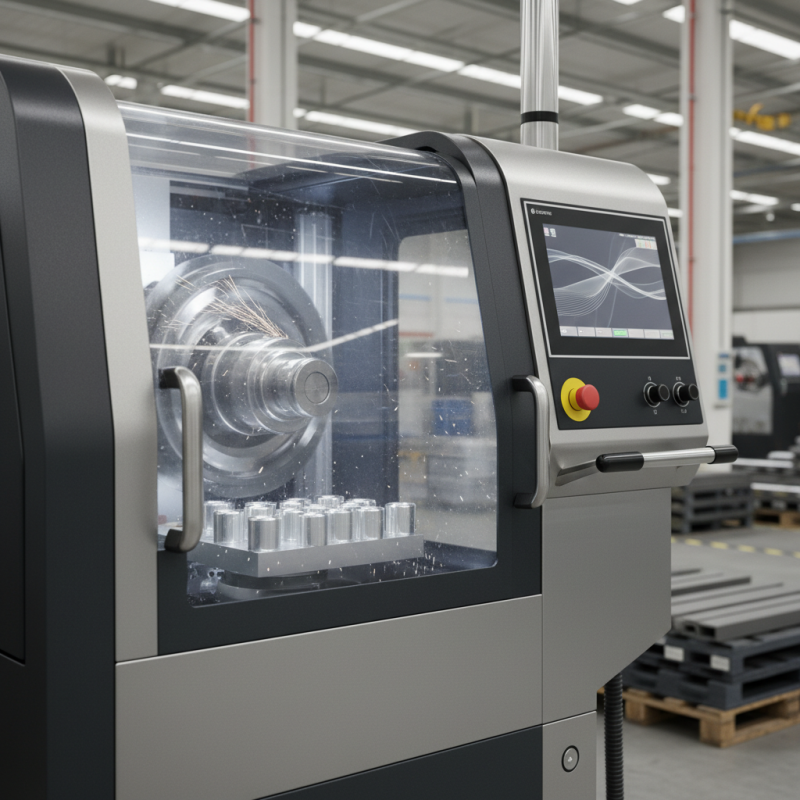
Overview of Metal Deburring Processes and Their Importance
Metal deburring is a crucial step in the metal finishing process. It removes sharp edges and burrs that can lead to safety hazards. These imperfections occur during machining, casting, or fabrication. Effective deburring enhances the aesthetic appeal of the metal, making it more appealing to customers.
The importance of proper deburring cannot be overstated. Without it, parts may have reduced performance or functionality. In industries like aerospace and automotive, precision is key. A sharp edge can cause wear and tear on components, leading to failures. Each moment spent on deburring impacts overall production efficiency. Some shops struggle to keep up with this step, resulting in bottlenecks.
Efficient deburring machines can streamline this process. However, choosing the right machine requires careful consideration. Not all machines suit every application. Operators must understand the materials and tolerances involved. This knowledge is vital for optimizing outcomes. In some instances, a machine may not perform as expected, leading to further challenges. Continuous evaluation of processes can highlight areas for improvement.
Types of Metal Deburring Machines Available in the Market
Metal deburring machines play a vital role in finishing processes. They help operators smooth rough edges on metal parts. Understanding the types available can significantly enhance your selection process.
There are several types of metal deburring machines in the market today. For instance, manual deburring tools are cost-effective. They require skilled hands, which is a time-consuming approach. Automated machines, however, can accomplish tasks with speed and consistency. These machines often feature advanced technology, allowing for precision and repeatability.
Another option is the vibratory deburring machine. This type utilizes a media-filled bowl. It gently removes burrs from parts by agitation. While effective, it may not reach all areas on complex shapes. One must also consider the environmental impact of each machine type, including noise and dust generation. Selecting the right machine requires careful reflection on these aspects. The best choice aligns with your specific production needs.
Best Metal Deburring Machines Comparison
Features to Consider When Choosing a Metal Deburring Machine
When choosing a metal deburring machine, several features are critical. The type of material being processed matters greatly. Soft metals, like aluminum, may require different machinery than harder metals like stainless steel. Think about the thickness and shape of your workpieces. Some machines excel with flat surfaces while others handle complex geometries better.
Speed and efficiency are also key elements. Consider how quickly the machine can complete a deburring cycle. Faster operations can boost productivity significantly. However, keep in mind that speed should not compromise quality. Balancing efficiency with quality results is essential for long-term success.
Tips: Always check machine weight. Heavier machines often provide more stability and reduce vibrations. Additionally, ensure you have access to replacement parts. A reliable machine should have easily accessible parts for maintenance. Examine user reviews carefully. They can provide insight into common issues and help identify reliable models. Your chosen machine should fit well into your existing workflow and adapt to your specific needs.
Top Recommendations for Efficient Metal Finishing Machines
When looking for the best metal deburring machines, efficiency is key. Choosing the right machine can enhance your metal finishing processes significantly. A reliable machine will remove burrs and create smooth surfaces—this is crucial for any project. Many machines cater to different materials and sizes, so identifying your specific needs helps guide the decision.
Tips: Always assess the machine's speed and abrasive type. A quicker machine often translates to higher productivity. Additionally, ensure it has adjustable settings. This flexibility can accommodate various materials.
Consider the ease of maintenance for the machines you examine. Some may require frequent replacement parts, leading to downtime. A reliable machine should not only perform well but also be easy to service. Regular upkeep can prevent larger issues, ensuring that your operations run smoothly.
Finding a deburring machine that fits your operations can take time. Test different models if possible, and note which features matter most. A machine's noise level and space requirements should also be part of your evaluation. An efficient metal finishing machine will serve you well in the long run, but it's essential to make an informed choice.
Maintenance Tips for Optimal Performance of Deburring Equipment
Maintaining deburring equipment is essential for optimal performance and longevity. Regular inspections can prevent unexpected breakdowns. A study by the American Society of Mechanical Engineers indicates that routine maintenance can extend equipment life by up to 30%. This is crucial in industries that rely on precise metal finishing.
Operators should regularly check the wear of deburring brushes and belts. Damaged components can lead to poor finishing quality and increased downtime. A study published in the Journal of Manufacturing Processes found that improper maintenance contributes to 15% of production delays. Keeping a log of maintenance activities helps in identifying patterns that may require adjustments.
Additionally, ensuring proper lubrication of moving parts is vital. Lack of lubrication can cause friction, leading to overheating and failure. According to Machinery Lubrication Magazine, 60% of equipment failures are attributed to inadequate lubrication. Using the correct type and amount of lubricant is key to maintaining performance. Regular employee training can reinforce awareness about the significance of these practices, preventing costly mistakes.
Best Metal Deburring Machine for Efficient Metal Finishing
| Machine Type | Material Compatibility | Deburring Speed (mm/min) | Power Consumption (kW) | Weight (kg) | Maintenance Frequency (months) | Noise Level (dB) |
| Rotary Deburring Machine | Steel, Aluminum | 300 | 2.5 | 150 | 6 | 85 |
| Belt Deburring Machine | Stainless Steel, Copper | 500 | 3.0 | 200 | 12 | 78 |
| Vibratory Deburring Machine | Brass, Plastic | 200 | 1.5 | 100 | 3 | 70 |
| Ultrasonic Deburring Machine | Titanium, Alloy | 150 | 1.0 | 80 | 12 | 75 |