What are the Best Metal Stair Treads for Safety and Durability?
Metal stair treads play a crucial role in enhancing safety and durability in various environments. These treads come in different materials and designs, making them versatile for both indoor and outdoor use. In high-traffic areas, providing a stable surface is essential to prevent accidents. The right choice of metal stair treads can reduce slip hazards and withstand heavy loads.
Many homeowners and businesses overlook the importance of selecting quality treads. Choosing the wrong material can lead to quick wear and unsafe conditions. Outdoor conditions can further complicate this decision, as weather can affect the lifespan of treads. Aluminum and steel are popular options due to their strength, but one must consider their traction features as well.
It's easy to dismiss these details, yet they can save lives and prevent costly repairs. Investing in proper metal stair treads should not be an afterthought but a vital safety measure. Evaluating options based on durability and grip is key to ensuring safety. Overall, the right metal stair treads can offer peace of mind for users in any setting.
Understanding the Importance of Safety in Stair Design
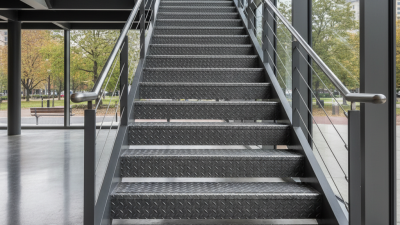
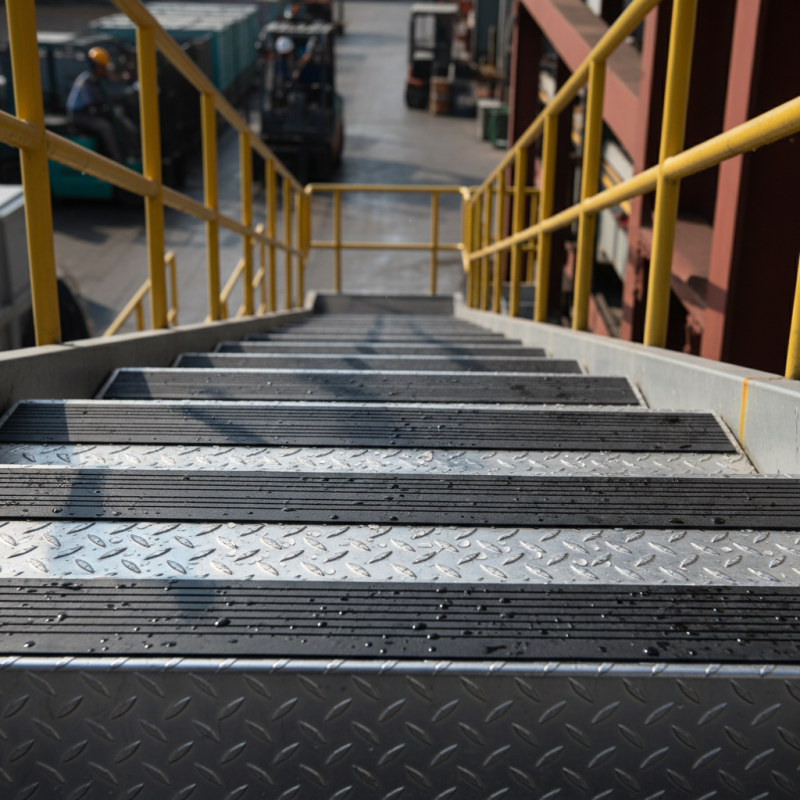
In stair design, safety is paramount. A single misstep on a staircase can lead to serious injuries. Thus, choosing the right materials is crucial. Metal stair treads have gained popularity due to their durability and slip-resistant properties. They provide a strong grip, particularly in high-traffic areas or outdoor settings.
However, not all metal treads are created equal. Some may corrode if not properly treated, leading to potential hazards. It's important to consider environmental factors when selecting them. Are they exposed to rain or snow? Corrosion resistance must be prioritized in such cases.
Moreover, installation plays a critical role. Poorly installed treads can shift and create gaps. These gaps can pose tripping hazards. Regular maintenance checks are equally essential. They ensure that the treads remain secure and effective over time. Ultimately, the safety of stair design lies in both the material choice and proper care.
Types of Metal Stair Treads Available in the Market
When it comes to metal stair treads, several options stand out in terms of safety and durability. One type is aluminum treads. They are lightweight but strong. Aluminum resists corrosion and lasts a long time. However, these treads can become slippery when wet, which raises concerns about safety.
Another option is steel treads. They provide excellent strength and are ideal for heavy foot traffic areas. Some steel treads come with anti-slip textures. Nonetheless, they may rust over time if not properly coated or maintained.
Stainless steel treads are also popular. They offer improved resistance to moisture. Still, they tend to be pricier and may require ongoing care to keep them looking new.
Finally, there are composite metal treads. These combine metals with other materials to enhance grip and durability. They can withstand harsh weather. Despite their advantages, they might not be as strong as pure metal options. Each type has its strengths and weaknesses, making careful consideration essential for safety in stair design.
Key Features to Look for in Durable Metal Stair Treads
When selecting metal stair treads, safety and durability are paramount. A report from the Occupational Safety and Health Administration (OSHA) indicates that falls account for over 15% of all accidental deaths. To mitigate risks, choose treads with excellent slip resistance. Many treads utilize aluminum or stainless steel, which provide strength and longevity. The right texture enhances grip, even in wet conditions.
Consider the chemical resistance of the material too. Metal treads often face exposure to oils, cleaners, or de-icing agents. A study by the National Institute for Occupational Safety and Health (NIOSH) shows that tread coatings can significantly increase their lifespan. This could be a vital factor for facilities in harsh environments.
Look for features like easy installation, which can save time on labor costs. Non-corrosive finishes can be beneficial, especially in outdoor settings. Many treads come with pre-drilled holes, enabling quick setup. Yet, not all manufacturers provide clear installation guidelines. This can lead to confusion and inefficiency. Therefore, ensure the tread fits your specific application.
Best Metal Stair Treads for Safety and Durability
Comparing Materials: Aluminum vs. Steel Stair Treads
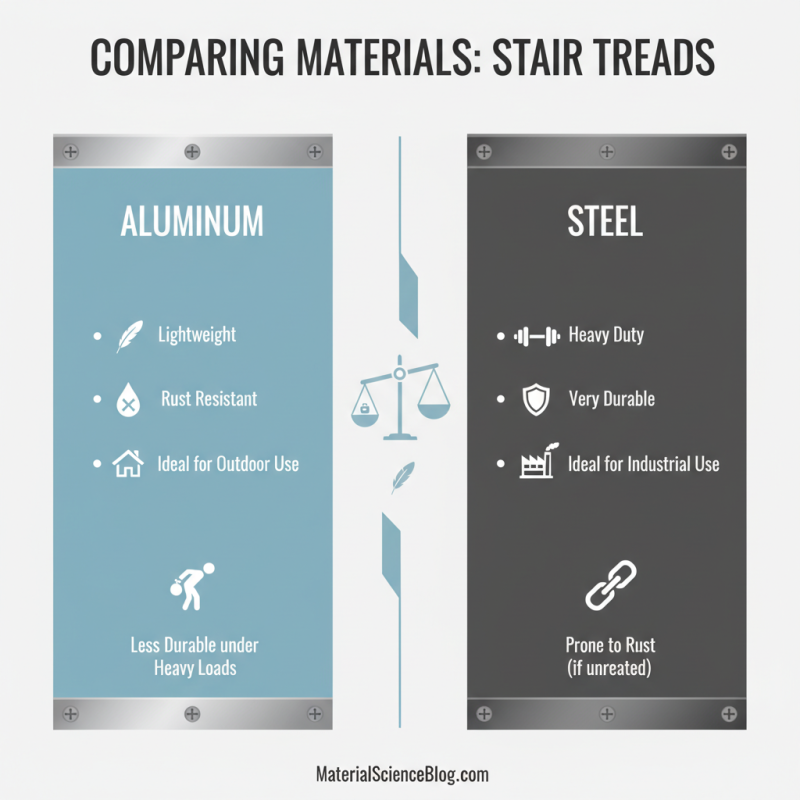
When it comes to stair treads, safety and durability are crucial. Two popular materials are aluminum and steel. Each has unique benefits and drawbacks. Aluminum is lightweight and resistant to rust. This makes it ideal for outdoor use. However, it may not hold up as well under heavy loads compared to steel.
On the other hand, steel stair treads offer superior strength. They can withstand heavy foot traffic and impact. However, steel can rust over time if not properly coated. This means regular maintenance is necessary. A slip-resistant surface is essential for both materials to enhance safety. The surface texture can significantly affect grip, especially in wet conditions. Choosing the right material also depends on your specific needs.
Both options have merits and challenges. A budget-conscious individual might lean toward aluminum, while someone prioritizing durability could favor steel. It's important to weigh these factors carefully. What works for one situation may not be best for another. Reflecting on these details can lead to better decision-making for safe and long-lasting stair treads.
Installation and Maintenance Tips for Long-Lasting Stair Treads
When choosing metal stair treads, installation plays a critical role in their effectiveness. Properly anchored treads can greatly reduce slip and fall accidents. According to a study by the National Safety Council, unintentional falls led to over 36,000 deaths in 2019 alone. Ensuring that your stair treads are installed correctly can enhance safety significantly. Consider using anti-slip adhesives or proper fasteners during installation for optimal safety.
Maintenance is equally important for long-lasting treads. Regular inspections can help identify rust or wear. The American Institute of Steel Construction suggests that metal surfaces should be coated every few years to prevent corrosion. A neglected tread can become a hazard. Clean regularly, ensuring that debris doesn't accumulate. Even small particles can lead to slips. Use a mild detergent and avoid abrasive cleaners to maintain the tread's surface integrity.
While many focus on material choices, installation and maintenance often get overlooked. Neglect can lead to deterioration faster than anticipated. Keeping an inventory of spare parts can address issues promptly. Regularly gathering feedback from users can also highlight any concerns before they escalate into safety hazards.
What are the Best Metal Stair Treads for Safety and Durability? - Installation and Maintenance Tips for Long-Lasting Stair Treads
| Material |
Durability Rating |
Slip Resistance |
Installation Ease |
Maintenance Requirements |
| Aluminum |
High |
Excellent |
Easy |
Low |
| Steel |
Very High |
Good |
Moderate |
Moderate |
| Stainless Steel |
High |
Excellent |
Easy |
Low |
| Cast Iron |
Very High |
Good |
Difficult |
High |
| Aluminum Composite |
Moderate |
Fair |
Easy |
Low |