Best Pressure Reducing Regulators for Efficient System Performance?
Pressure Reducing Regulators play a critical role in various industries. They ensure systems operate efficiently by managing pressure levels. According to a report by the International Energy Agency, proper pressure regulation can enhance system efficiency by up to 30%. This increase can lead to significant energy savings and reduced operational costs.
Many sectors, including oil and gas, manufacturing, and water distribution, rely on these regulators. Inefficient pressure management can cause leaks, wastage, and unsafe conditions. In fact, the National Institute of Standards and Technology indicates that 25% of industrial energy could be saved through improved pressure regulation practices.
However, not all Pressure Reducing Regulators are created equal. Choosing the right one requires careful consideration of specifications. The market is full of options, making it easy to overlook critical details. A wrong choice may lead to inefficiencies or increased downtime. Thus, understanding the best practices in selecting the right regulator is crucial for optimizing system performance.
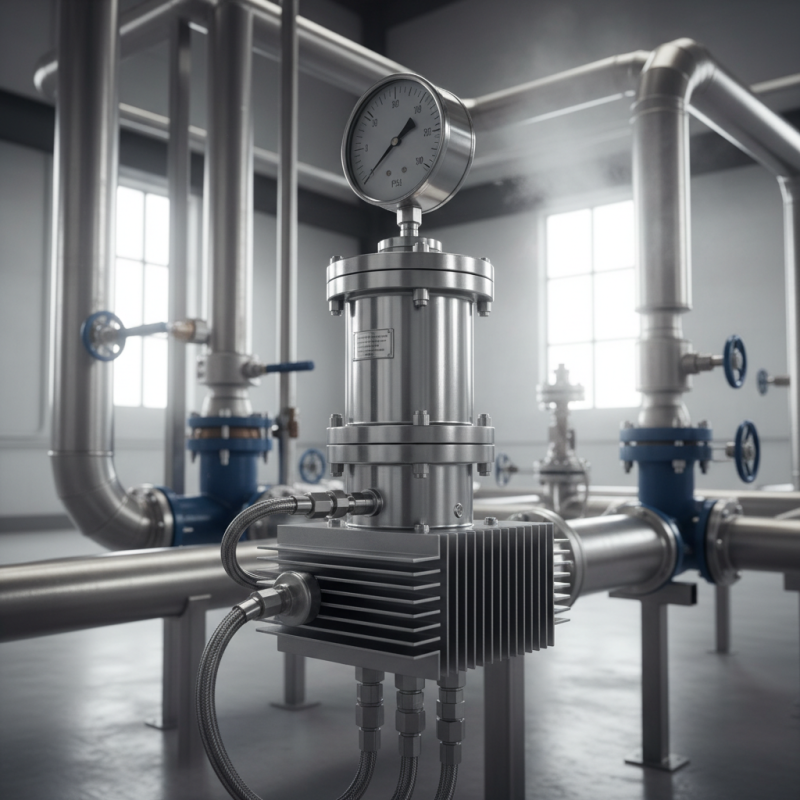
Overview of Pressure Reducing Regulators and Their Importance
Pressure reducing regulators play a critical role in various systems. They control and maintain the pressure of gases and liquids. These devices ensure safety and efficiency in operations. When pressure fluctuates, it can lead to equipment damage or failure. Maintaining consistent pressure is essential for performance.
In many applications, such as heating or industrial processes, stable pressure is vital. A drop in pressure can affect system efficiency. Conversely, high pressure may cause leaks and danger. Choosing the right regulator is crucial. Factors like flow rate, type of gas, and system requirements matter. Not all regulators work for every situation. Some may not provide the ideal balance between safety and performance.
Installation and maintenance are often overlooked. A poorly installed regulator can lead to issues down the line. Regular checks are necessary to ensure effectiveness. Users sometimes ignore wear and tear signs. This can lead to inefficient operation. Awareness of these factors can prevent potential problems. Selecting the right regulator is more than just a choice; it’s a reflection of responsible operation and a commitment to safety.
Types of Pressure Reducing Regulators and Their Applications
Pressure reducing regulators are crucial for various applications. There are several types, each tailored for specific needs. The adjustable regulator offers flexibility. Users can change pressure settings based on their requirements. Fixed regulators provide stable performance. They maintain pressure at a set level without adjustments.
A common application is in gas systems. Here, regulators ensure safe and consistent pressure. They help prevent equipment damage. In water systems, they manage flow and protect pipes. Choosing the right type is key for efficiency.
**Tips:** Always assess your system’s requirements before choosing a regulator. Consider factors like the medium, operating pressure, and flow rates. Regular maintenance is necessary to ensure optimal performance. Neglecting this can lead to inefficiencies. Inspections should be part of your routine. Every component should operate seamlessly to avoid system failures.
Key Features to Consider for Efficient Performance
When selecting pressure reducing regulators, efficiency is key. A study by the American Society of Mechanical Engineers states that well-chosen regulators can decrease energy costs by up to 20%. This means significant savings over time. Efficiency starts with understanding your system's requirements. Consider the flow rate and inlet pressure levels. The right specifications can prevent energy loss.
Notably, material quality impacts durability and overall performance. Regulators made from corrosion-resistant materials often last longer in harsh environments, according to a Manufacturing Technology report. Also, look for adjustable settings. These allow for flexibility in pressure regulation. Companies frequently overlook ease of maintenance. Regular checks can prevent performance dips. An efficient regulator should not only reduce pressure but also be user-friendly in its upkeep.
Finally, consider the noise level. Some regulators tend to create vibrations, which can affect nearby systems. Klippinger’s Engineering Insights found that about 30% of companies faced issues related to noise from their systems. Strategic positioning and high-quality design can mitigate these problems. Efficient systems balance performance and practicality, making thoughtful choice crucial.
Top Brands and Models of Pressure Reducing Regulators
When seeking the best pressure reducing regulators, understanding the top brands and models is essential. These regulators play a crucial role in maintaining consistent pressure in various systems. They ensure the efficiency and safety of operations. A well-designed regulator can make a significant difference in performance.
In the market, you can find various models tailored for different applications. Some regulators prioritize accuracy, while others focus on durability. The choice often depends on specific requirements like flow rates and pressure ranges. Using a regulator that does not fit your system can lead to inefficiencies. It's crucial to evaluate specifications carefully.
Many users overlook the installation process and maintenance needs of these devices. Improper setup can reduce effectiveness. Post-installation checks are necessary to ensure correct functioning. Addressing small leaks or configuration errors promptly is vital for optimal performance. Even minor adjustments can result in significant improvements.
Best Pressure Reducing Regulators for Efficient System Performance
| Model | Pressure Range (psi) | Flow Rate (CFH) | Materials | Weight (lbs) | Price ($) |
| Model A | 0-30 | 100 | Brass | 1.5 | 45.00 |
| Model B | 0-60 | 150 | Aluminum | 2.0 | 55.00 |
| Model C | 0-100 | 200 | Stainless Steel | 3.0 | 75.00 |
| Model D | 0-150 | 250 | Nylon | 1.2 | 35.00 |
| Model E | 0-75 | 180 | Bronze | 2.5 | 60.00 |
Maintenance Tips for Optimal Functionality and Longevity
Regular maintenance of pressure reducing regulators is essential for effective system performance. Begin with routine inspections to ensure all components are functioning correctly. Check for wear, leaks, or any signs of corrosion. A small leak can lead to significant inefficiencies over time. Replace any damaged parts immediately. Neglecting these small details could result in bigger problems later.
Cleaning is another crucial step. Dust and debris can accumulate and affect performance. Use a soft cloth to wipe down surfaces. Ensure the adjustment screws are free from grime. It’s easy to overlook these areas, yet they are vital for smooth operation. After cleaning, always test the system to confirm that adjustments haven’t altered pressure settings.
Lastly, keep an eye on operating conditions. Pressure fluctuations can impact functionality. Ideal environmental conditions help prolong the life of the regulator. Document any changes you notice. This practice helps identify recurring issues. Recognizing these can aid in proactive maintenance. Failing to observe conditions may lead to unexpected failures. Regular attention is the key to longevity.