What Is the Best Vision Inspection Machine in China?
Choosing the best Vision Inspection Machine in China is not simply a matter of comparing prices. It requires practical evaluation of inspection accuracy, production speed, software stability, and after-sales support. A machine that performs well on a showroom sample may struggle with dust, reflective surfaces, curved packaging, or inconsistent lighting on a real production line. The details matter.
In our experience, reliable inspection begins with the product itself. Bottle caps, electronic components, pharmaceutical containers, and food packages each require different cameras, lenses, lighting systems, and rejection methods. A high-resolution camera cannot solve every problem. The algorithm must also recognize acceptable variation without rejecting good products. This balance often separates a useful system from an expensive disappointment.
There is no universal winner. The “best” Vision Inspection Machine depends on defect size, line speed, material, installation space, and quality standards. Buyers should request sample testing with their own products, not rely only on demonstration videos. They should also examine calibration records, software training, maintenance response times, and integration with existing equipment. China offers capable manufacturers, but quality varies between suppliers and even between machine models. That point deserves honest attention. A lower initial price may hide weaker documentation or slower technical support. This guide compares the key selection criteria, supplier capabilities, and real-world performance factors that help manufacturers make a more dependable decision.
What Is a Vision Inspection Machine and How Does It Work?
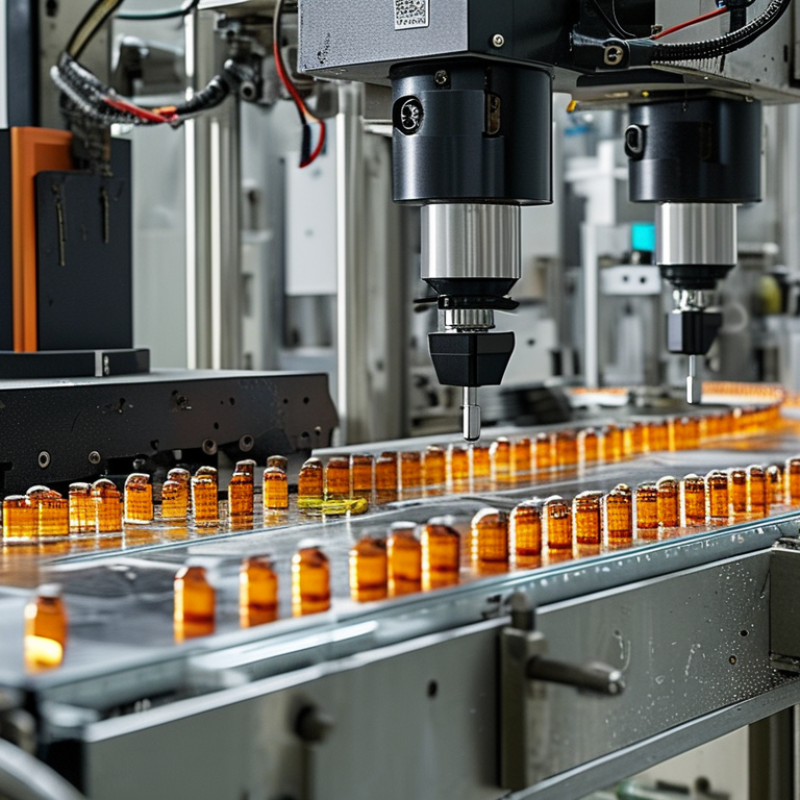
A vision inspection machine uses cameras, lighting, and software to examine products automatically. It checks features that human eyes may miss during fast production. Typical targets include scratches, missing parts, incorrect shapes, surface marks, and poor assembly.
The process starts with controlled lighting around the inspection area. A camera captures each product from a fixed position. The system then compares the image with defined standards, such as size limits, color ranges, or component locations. If the result falls outside those limits, a signal can stop the line or separate the item. In practical factory testing, stable lighting often matters more than camera resolution. Small reflections can create false defects.
Machine learning can improve recognition when products have natural variations. Rule-based inspection remains useful for clear measurements and repeatable shapes. The right choice depends on product speed, defect size, material, and required accuracy. It is not magic. A poorly positioned camera can weaken even advanced software. Operators should test samples from different batches and review both missed defects and false alarms. This step reveals whether the inspection standard is realistic. Regular cleaning, calibration, and software checks also support reliable performance. A careful acceptance test is essential before connecting the machine to continuous production.
What Features Define the Best Vision Inspection Machine?
What Is the Best Vision Inspection Machine in China?
The best vision inspection machine is not simply the fastest one. It must match the product, defect type, and production speed. In factory trials, stable lighting often matters more than extra camera resolution. A good system uses controlled LED illumination, sharp industrial cameras, and lenses suited to the inspection distance. It should detect scratches, missing parts, incorrect dimensions, and surface color changes with consistent accuracy.
Reliable software is equally important. The machine should provide adjustable algorithms, clear defect images, and simple recipe changes for different products. A useful interface helps operators understand why a part was rejected. Fast data storage also supports traceability during quality reviews. The reject mechanism must respond quickly without damaging acceptable parts. Even excellent equipment can fail when vibration, dust, or changing light enters the process. That weakness deserves attention.
Tips: Test real samples, including difficult defects and acceptable variations. Measure false rejects, missed defects, inspection speed, and changeover time. Ask for calibration records and operator training. A machine that performs well in a demonstration may behave differently beside a noisy conveyor. Leave room for manual review. Automation reduces routine work, but it does not remove judgment. geschniegelt
How to Compare Chinese Vision Inspection Machine Manufacturers
What Is the Best Vision Inspection Machine in China?
The best machine is not always the one with the highest camera resolution. It should detect your actual defects reliably. Compare Chinese manufacturers through controlled sample testing, not showroom demonstrations. Ask each supplier to inspect the same 500 to 1,000 parts. Record false rejects, missed defects, cycle time, and changeover minutes. This evidence matters because accuracy can decline when lighting, vibration, or product color changes.
China installed 276,288 industrial robots in 2023, representing 51% of global installations, according to the International Federation of Robotics World Robotics 2024 report. This manufacturing scale supports strong automation experience. However, scale does not prove inspection quality. Check lens selection, lighting design, algorithm training, traceability, and operator controls. Request validation data from production-like conditions. Also review electrical documents, spare-parts availability, remote support, and technician response times. A lower purchase price may become expensive after repeated false alarms.
Tips: Compare five-year ownership costs. Include software updates, calibration, training, rejected parts, and downtime. Ask for written acceptance standards. Test reflective surfaces and tiny defects. Visit a running installation when possible. Many demonstrations use perfect samples. Require intentionally flawed samples, even when results look less impressive. Review the data with your quality engineer, not only the sales team. A clear failure report can be more trustworthy than a perfect promise.
What Is the Best Vision Inspection Machine in China?
A brand-neutral comparison framework for evaluating Chinese vision inspection machine manufacturers.
The chart uses a 100-point procurement scorecard based on commonly verified machine-vision requirements: optical performance, throughput, repeatability, false-reject control, system integration, technical support, and total cost of ownership. Buyers should confirm each item through sample testing, acceptance criteria, and documented service commitments.
How to Choose the Right Vision Inspection Machine for Your Needs
What Is the Best Vision Inspection Machine in China?
How to Choose the Right Vision Inspection Machine for Your Needs
The best vision inspection machine is not always the most advanced model. It must match your product, production speed, and quality risks. Measure the smallest defect you need to detect. Check product size, surface texture, color, and shape. A shiny metal part may need controlled lighting. A dark plastic component may require a different setup. Start with real samples, not sales images.
During factory trials, observe the machine at your actual line speed. Test good products and deliberately defective ones. Check false rejects, missed defects, inspection repeatability, and changeover time. The camera needs enough resolution for the smallest feature. The software should offer clear settings and traceable inspection records. Operators should understand the interface without constant technical support. Keep the process practical.
Integration also matters. Confirm communication with your conveyor, controller, reject device, and production database. Ask about calibration, spare parts, training, and response time. A machine that stops often can cost more than a cheaper system. No machine is perfect. I have seen teams focus on detection accuracy while ignoring cleaning, vibration, and product positioning. That mistake weakens real performance. Leave room for maintenance and future product changes. A careful trial usually reveals more than a polished demonstration.