Why Choose a Scotch Yoke Actuator for Your Automation Needs?
In the realm of automation, choosing the right actuator can greatly influence efficiency. The Scotch Yoke Actuator stands out as a superior option for many applications. This actuator employs a unique design that converts rotational motion into linear displacement. It offers impressive torque output and smooth operation, making it a favorite among engineers.
Reliability is key when selecting automation components. One should consider the longevity and maintenance of the Scotch Yoke Actuator. Its robust construction ensures it can withstand demanding environments, reducing downtime. However, it is essential to note that installation requires careful planning. Misalignment can lead to performance issues, a common oversight in many projects.
When weighing options, always ask critical questions. What are the specific automation needs? Is the Scotch Yoke Actuator truly the best choice for your application? Reflect on these points. There is no perfect solution, and each choice comes with its challenges. Yet, understanding the strengths of the Scotch Yoke Actuator can lead to more informed decisions.
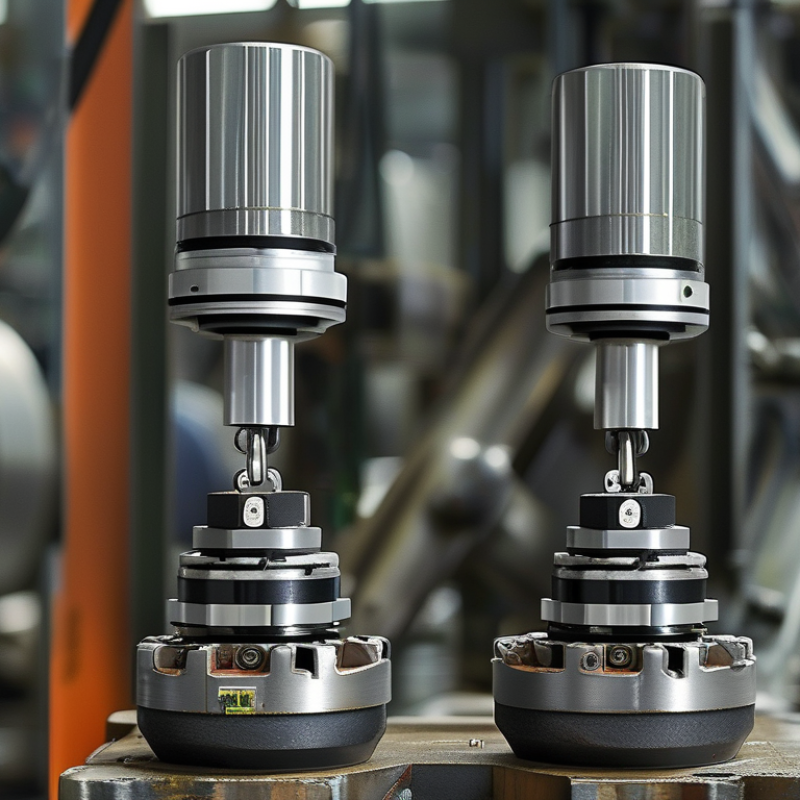
Understanding the Basics of Scotch Yoke Actuators
A Scotch yoke actuator is a unique option for many automation applications. Unlike traditional actuators, it uses a yoke mechanism that converts rotational motion into linear movement. This offers smoother operation, ideal for various industrial tasks. The design minimizes wear and tear, enhancing the actuator's longevity.
The core principle of the Scotch yoke mechanism is relatively simple. A rotating shaft drives a yoke, which then moves a connected rod back and forth. This system allows for high efficiency and consistent performance. Users appreciate its straightforward construction, which often means easier maintenance. However, like any system, it has limitations. Proper alignment is crucial for optimal functioning, as misalignment can lead to increased wear.
When integrating a Scotch yoke actuator into your system, consider the application requirements. Sizing matters, as an actuator that is too small may underperform. Conversely, an oversized actuator can be wasteful. Each project may require specific adjustments, such as tuning the stroke length or speed. Evaluating the environment is also important, as factors like temperature and humidity can influence performance. Being mindful of these aspects contributes to a successful implementation of Scotch yoke actuators.
Advantages of Scotch Yoke Actuators in Automation
Scotch yoke actuators are gaining attention in automation due to their unique design and reliable performance. These actuators convert rotary motion into linear movement effectively. The scotch yoke mechanism provides smooth operation and can handle high torque with ease. This makes them ideal for applications such as valve control.
One of the biggest advantages of scotch yoke actuators is their minimal maintenance needs. They have fewer moving parts compared to other actuators. This simplicity not only reduces the potential for failure but also lowers operational costs. A straightforward design can lead to significant time savings during installation and maintenance.
**Tip:** Regular inspections can enhance actuator lifespan. Monitor seals and connections for leaks and wear.
Another noteworthy benefit is their adaptability. Scotch yoke actuators can function across a wide range of temperatures and environments. This flexibility makes them suitable for both indoor and outdoor applications. There's value in evaluating specific project requirements before selection.
**Tip:** Always consider the actuator's duty cycle to optimize performance and efficiency.
Advantages of Scotch Yoke Actuators in Automation
Applications of Scotch Yoke Actuators Across Industries
Scotch yoke actuators are versatile components used in various industries. Their unique design converts rotary motion into linear motion with high efficiency. This mechanism is ideal for applications requiring precise control and fast operation.
In the automotive sector, Scotch yoke actuators are employed for engine control and throttle mechanisms. According to a 2022 report by Research and Markets, the global automotive actuator market is projected to reach USD 45 billion by 2026. These actuators ensure improved throttle response and optimize engine performance.
In the energy sector, they are vital in pipeline control systems. A 2021 study from the International Energy Agency highlighted that pipeline automation increases safety and efficiency. Scotch yoke actuators allow for reliable valve control, reducing the risk of leaks. However, potential wear in harsh environments needs attention. Regular maintenance is crucial to ensure longevity and reliability.
The manufacturing industry also benefits from their use. They are integral in automated machinery, providing quick actuation times. However, it is essential to evaluate the specific application carefully. Misalignment can lead to performance issues and increased wear. Informing operators about potential pitfalls can foster better operational practices.
Comparison with Other Types of Actuators
When evaluating various types of actuators, understanding their unique attributes is essential. Scotch yoke actuators excel in specific situations. They convert rotary motion into linear motion, providing efficient operation in automation tasks. This design reduces friction and increases reliability. Compared to traditional linear actuators, Scotch yoke types often require less maintenance, which is appealing for long-term projects.
In contrast, pneumatic and hydraulic actuators offer different benefits. Pneumatic actuators are fast and respond quickly. However, they may require regular maintenance to ensure air pressure optimization. Hydraulic actuators provide robust power but can be bulky and less efficient. Each type brings its own advantages and drawbacks. The choice depends on the application, available space, and desired control.
Evaluating the performance of actuators can reveal nuances that affect operations. While Scotch yoke actuators may seem ideal for many tasks, their efficiency might diminish in certain high-frequency applications. Understanding the specific requirements of a project helps in making an informed choice. Balancing power needs with size constraints is critical for optimal performance.
Maintenance Considerations for Scotch Yoke Actuators
Scotch yoke actuators are known for their robust performance, but maintenance is crucial for optimal operation. Regular inspections can prevent unexpected failures. A clean actuator ensures efficient performance. Dirt and debris can affect the movement. Therefore, keeping the actuator free from contaminants is vital.
Lubrication is another key aspect. Using the right lubricant minimizes friction and wear. However, over-lubrication can attract dirt, leading to more issues. A balanced approach is essential. Inspect seals for signs of wear. Damaged seals can cause leaks and reduce performance. Replacing worn seals promptly can extend the actuator's lifespan.
While Scotch yoke actuators are reliable, monitoring their usage is important. Frequent operation may require more maintenance checks. Creating a maintenance schedule can help identify issues early. Regular attention will enhance performance and reliability. Embrace a proactive maintenance approach. It can save time and costs in the long run.
Why Choose a Scotch Yoke Actuator for Your Automation Needs? - Maintenance Considerations for Scotch Yoke Actuators
| Maintenance Aspect | Frequency | Recommended Action | Benefits |
| Lubrication | Monthly | Apply appropriate lubricant to moving parts | Reduces friction and wear, improving lifespan |
| Visual Inspection | Quarterly | Check for signs of wear or damage | Identifies issues early, preventing failures |
| Seal Replacement | Annually | Replace seals as needed to prevent leaks | Ensures efficient operation, minimizes downtime |
| Calibration | Bi-Annually | Check and adjust settings for optimal performance | Maintains accuracy, enhances productivity |
| Component Replacement | As Needed | Replace worn components with genuine parts | Ensures reliability and safety of the actuator |