How to Choose the Best Metal Grate for Your Needs?
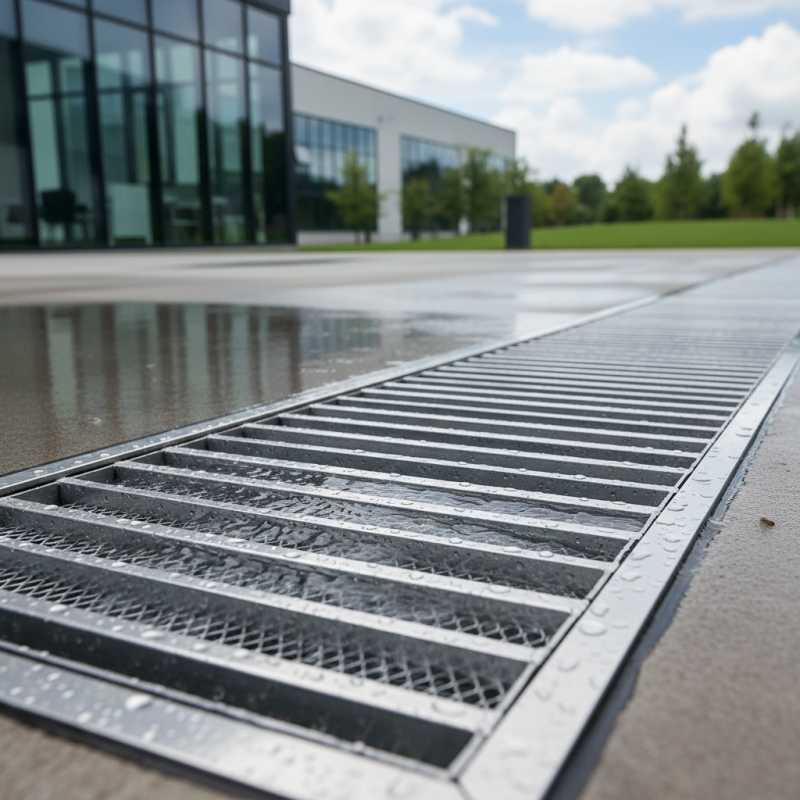
Choosing the right metal grate is crucial for various applications. Whether for drainage, flooring, or safety, the right choice can make a difference. Metal grates come in different materials and designs, each serving unique needs.
Understanding your requirements is essential before making a decision. Consider the environment where the metal grate will be installed. Will it face heavy loads or harsh weather? Think about the aesthetics too. A well-chosen grate can enhance the overall look of a space.
Mistakes in selection can lead to costly repairs or replacements. Research different types of metal grates available, like stainless steel or aluminum. Consult with experts to gain insights. The right choice affects both functionality and durability. Insights from experienced professionals can guide you effectively. A thorough evaluation leads to making an informed decision.
Understanding Different Types of Metal Grates: Material Comparisons
When choosing the right metal grate, understanding material differences is crucial. Common options include stainless steel, aluminum, and cast iron. Stainless steel is known for its durability and resistance to corrosion. It works well in wet environments and is easy to clean. However, it may be more expensive than other alternatives.
Aluminum is light and resistant to rust, making it ideal for portable applications. It does not hold up as well under heavy impacts. Cast iron is robust and great for high-load scenarios, but it can rust quickly if not properly maintained. Think about where you will use the grate.
Tips: Consider local climate conditions. Wet or salty environments can damage certain metals quickly. Always check the load-bearing capacity. If unsure, consult a professional for advice. The right choice will ensure safety and longevity in your project.
Metal Grate Material Comparison
This chart illustrates the durability ratings of different metal grate materials. Steel offers the highest durability, making it a preferred choice for industrial applications, whereas fiberglass, while lightweight, is comparatively less durable.
Evaluating Load Capacity: Key Factors in Selecting Metal Grates
When choosing a metal grate, understanding load capacity is essential. Different applications require specific strength and durability. Industrial settings often need grates that can withstand heavy machinery. On the other hand, residential areas might seek grates suitable for light foot traffic.
Evaluating key factors such as material type and thickness is necessary. For instance, stainless steel provides corrosion resistance, making it ideal for outdoor use. Meanwhile, aluminum is lightweight and easy to install. Ensure to consider the grate's design as well; some configurations distribute weight better than others.
Real-world scenarios can highlight potential oversights. A grate chosen for aesthetic appeal may not support the intended load. Always consult with experts to verify your selections. Relying on a manufacturer’s specifications can offer guidance but should not replace hands-on evaluations. Regularly assess your choices against industry standards. This proactive approach can prevent setbacks later.
How to Choose the Best Metal Grate for Your Needs? - Evaluating Load Capacity: Key Factors in Selecting Metal Grates
| Grate Type |
Material |
Load Capacity ( lbs ) |
Applications |
Cost ( $ ) |
| Heavy-Duty Steel Grate |
Steel |
2,000 |
Industrial Flooring |
150 |
| Lightweight Aluminum Grate |
Aluminum |
500 |
Walkways |
75 |
| Composite Grate |
Fiberglass |
800 |
Drainage Systems |
120 |
| Wire Mesh Grate |
Stainless Steel |
300 |
Light Load Areas |
50 |
| Expanded Metal Grate |
Carbon Steel |
1,000 |
Platforms & Stairs |
90 |
Importance of Corrosion Resistance: Choosing the Right Finish for Durability
When selecting a metal grate, corrosion resistance is crucial. The environment plays a significant role in the longevity of metal products. According to industry reports, over 60% of premature metal failures result from corrosion. Choosing the right finish can significantly enhance durability and reduce maintenance costs. Common finishes include galvanization, powder coating, and stainless steel options, each offering varying levels of resistance against corrosion.
Tips: Assess your environment. Coastal areas may require more robust finishes due to salty air.
Additionally, consider the material's lifespan. For example, untreated steel may last only
2-5 years in harsh conditions. In contrast,
galvanized steel can extend this to
20 years or more. It's essential to balance cost and longevity. A cheaper option may not be the best investment long-term.
Tips: Check for compliance with industry standards. This ensures quality and reliability in your selection process.
The choice of finish significantly impacts both function and aesthetics. Selecting a
corrosion-resistant finish can reduce replacement frequency and costs. Avoiding common pitfalls, like disregarding environmental factors, can lead to better decision-making in selecting a metal grate.
Assessing Applications: Residential vs. Industrial Metal Grate Needs
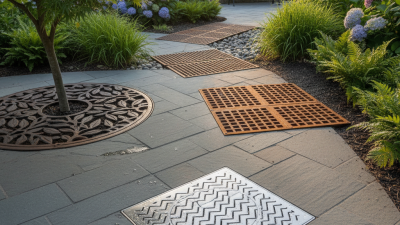
When choosing the right metal grate, consider the differences between residential and industrial applications. Residential needs often revolve around aesthetics and safety. Homeowners typically look for grates that blend well with their landscaping while providing adequate drainage. A decorative metal grate might be preferred for a garden path. Safety is also crucial, especially in high-traffic areas like driveways or porches.
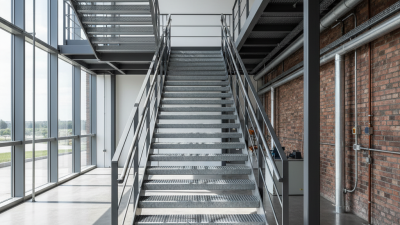
On the other hand, industrial applications demand a different approach. These grates must endure heavy loads and harsh conditions. Durability is paramount, as they may be exposed to chemicals or extreme weather. A heavy-duty grate needs to have a robust design to ensure reliability over time. There may be gaps in understanding load ratings, which is important for proper fitment in industrial settings. Always review specifications for load capacity, as an ill-suited grate can lead to damage or accidents.
While both applications require careful consideration, the priorities vary significantly. Homeowners usually favor style, while industries emphasize strength and resilience. Reflecting on your specific needs can bridge these differences. Assess where and how the grate will be used, and weigh factors such as weight, aesthetics, and functionality to make an informed decision.
Cost Analysis: Budgeting for Quality Metal Grates Over Time
When considering metal grates, budget is a significant factor. Quality metal grates can be an investment. However, choosing the right one can save money in the long run. Cheaper options might seem attractive initially, but they often require frequent replacements. This adds up over time.
Durability is key. Look for grates made from high-quality materials. Stainless steel and aluminum are common choices. They resist rust and corrosion, extending their lifespan. Compare the upfront costs with long-term upkeep. Analyze maintenance needs carefully. A grate that lasts longer can be more economical, despite a higher initial price.
Still, it’s essential to consider specific requirements. A grate might excel in one area but fail in another. Think about load capacity, drainage, and appearance. Reflect on your actual needs versus glossed-over features. Ultimately, investing in a quality product is wise, but it’s crucial to make informed choices based on practical use.