How to Choose the Best Packaging Machinery for Your Business?
Selecting the right Packaging Machinery is crucial for any business aiming to enhance efficiency. In a recent study by Smithers Pira, the global packaging machinery market is expected to grow at a compound annual growth rate (CAGR) of 3.8%, reaching $45 billion by 2024. This growth underscores the importance of choosing the right equipment to stay competitive.
The packaging industry plays a pivotal role in reducing waste and improving product safety. A report by the Food and Agriculture Organization indicates that inefficient packaging can lead to nearly 1.3 billion tons of food being wasted annually. Businesses must therefore analyze their unique needs, such as product type and production volume, to make informed decisions.
Many companies overlook the long-term costs associated with machinery maintenance and energy consumption. According to industry experts, investing in high-quality machinery can lead to significant savings over time. Additionally, companies must consider factors like scalability and technological advancements, as these will affect their efficiency. Choosing the right packaging equipment demands careful thought and strategic planning.
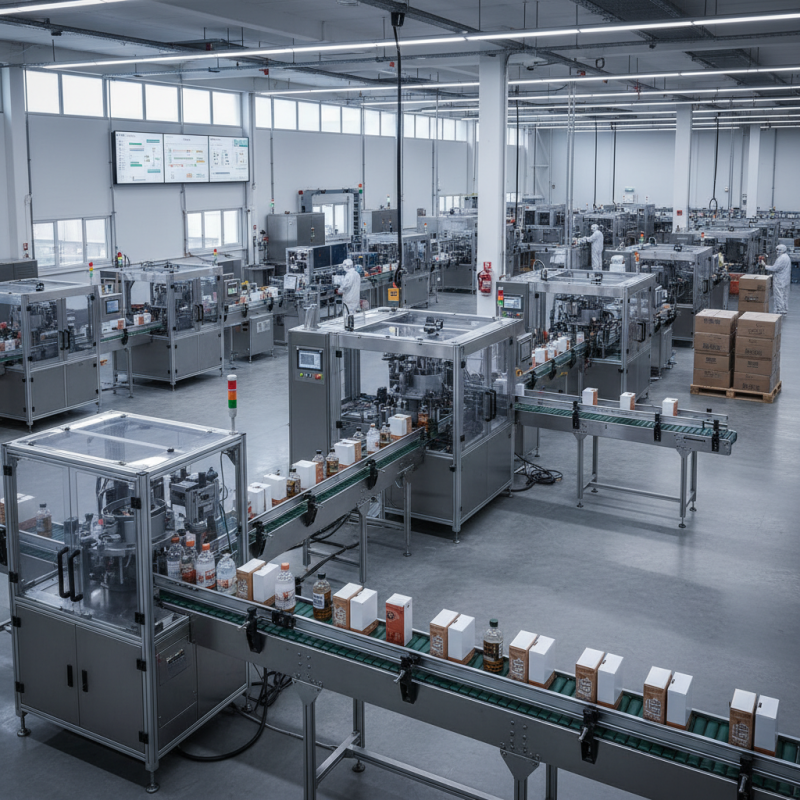
Understanding Your Packaging Needs: Assessing Business Requirements
When selecting packaging machinery, understanding your specific business needs is crucial. A report by the Freedonia Group indicates that packaging machinery demand is expected to reach $24 billion by 2025. This highlights the growing importance of efficient packaging solutions. Companies must assess production volume, product type, and packaging material. Different products may require varying machinery, from simple bags to complex bottling systems.
Many businesses overlook the long-term implications of their choices. Investing in high-speed machinery may seem advantageous, but it can lead to increased maintenance costs over time. According to a study by PMMI, about 70% of enterprises report that unexpected downtime significantly impacts productivity. Matching the machinery to your operational scale is vital. Small businesses may benefit from versatile solutions, while larger operations might require specialized machines.
Budget constraints often lead to compromises, but businesses should prioritize reliability and future scalability. A 2022 survey by Packaging World showed that 55% of companies regretted sacrificing quality for lower initial costs. The right machinery not only increases efficiency but also reduces waste. This investment can pay off in the long run, enhancing both productivity and sustainability.
Types of Packaging Machinery: An Overview of Options Available
When selecting packaging machinery, understanding the types available is crucial. Various options cater to different needs in the packaging process. Common types include horizontal flow wrappers, vertical form-fill-seal machines, and labeling machines. Each type serves a unique purpose, impacting production efficiency and product integrity.
Tips: Assess your production volume. High output requires robust machinery, while smaller operations might benefit from more versatile options. Consider your product dimensions. Machinery should accommodate varying sizes without excessive adjustments.
Another aspect to consider is automation level. Fully automated machines increase efficiency but demand a higher initial investment. Semi-automatic options can be more cost-effective while still improving productivity. It’s important to weigh these choices against your budget and operational goals.
Tips: Seek out expert advice. Consult professionals or industry guides for tailored recommendations. Test machinery before purchase. Real-world trials can reveal strengths and limitations that specifications might not fully capture.
Key Features to Consider When Selecting Packaging Equipment
When selecting packaging equipment, several key features can greatly influence efficiency and cost-effectiveness. The type of products you package plays a significant role. Consider the dimensions, weight, and material of your items. For fragile items, look for machines that offer protective packaging solutions. For high-volume operations, speed and automation features are essential.
Tips: Analyze your product flow. A seamless integration with existing systems is crucial. If your machinery can’t connect with your production line, it will cause delays. Look for flexible machinery that can handle various products. This adaptability can save you money in the long run.
Another important aspect is the ease of maintenance. Choose equipment that is user-friendly and has accessible parts for quick repairs. Complicated machinery can lead to downtime and increased costs. Investing in training your staff can significantly enhance productivity. Encourage your team to provide feedback on the equipment's performance. This insight is invaluable for making future improvements.
Evaluating Supplier Reliability: What to Look For in Manufacturers
When selecting packaging machinery, evaluating supplier reliability is crucial. The machinery industry is vast, and not all manufacturers meet quality standards. According to a report by the Packaging Machinery Manufacturers Institute, 81% of companies report issues with machinery quality and support. This highlights the importance of thorough vetting before making a decision.
Look for suppliers that provide clear documentation on their certifications. ISO certifications can indicate a commitment to quality. Additionally, a reliable manufacturer should offer comprehensive after-sales support, including training and maintenance services. An industry report suggests that support quality can directly affect machinery lifespan by 30%. Access to parts and service should be a priority for any business.
Customer reviews and testimonials provide insight into a manufacturer's reliability. Pay attention to feedback regarding responsiveness and problem resolution. A study from the International Packaging Association shows that 65% of companies value supplier communication highly. In some cases, it takes time to evaluate these aspects fully. You may find that what looked promising initially does not deliver long-term satisfaction. Choose wisely; the wrong decision could impact your productivity significantly.
Cost Analysis: Budgeting for Packaging Machinery Investments
Budgeting for packaging machinery is vital for any business. Understanding your financial limits can help you make informed decisions. Consider your production needs and the volume of products you handle. Calculate the expected return on investment. This will guide you in selecting machinery that offers both efficiency and effectiveness.
Evaluate not only the purchase price, but also maintenance and operational costs. Sometimes, cheaper machines incur higher long-term expenses. Analyze how often you might need repairs. Factor in potential downtime, which can impact your production line.
It’s essential to account for future growth. Choosing machinery that can adapt is wise. Look for scalable options. Reflect on your needs every year or so, as market trends evolve. This proactive approach helps in avoiding premature investments or costly missteps. Balancing budget and quality is a critical, ongoing process.