How to Choose the Best Wpc Fence for Your Home?
Choosing the right Wpc Fence for your home is a critical decision. This type of fencing provides durability and aesthetic appeal. However, many homeowners struggle with the options available. Understanding the features and benefits of Wpc Fences can help guide your choice.
Wpc Fences are made from a combination of wood fibers and plastic. This innovative material is designed to withstand the elements. It resists rot, insects, and fading. Yet, not all Wpc Fences are created equal. Some may lack the strength or durability you need. Evaluating the quality of materials and construction is essential.
Finding the perfect Wpc Fence means considering your home's style and needs. Think about the colors and textures that will enhance your property. Also, compare prices and warranties. These factors can greatly impact your satisfaction. Remember, investing in a Wpc Fence is not merely about aesthetics. It's about finding a reliable solution for years to come.
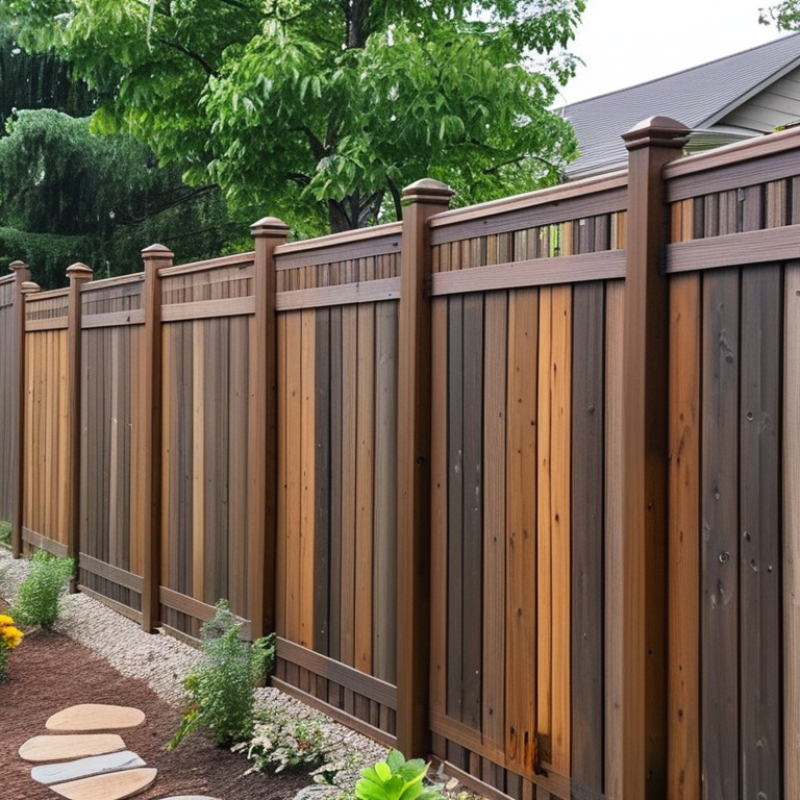
Understanding WPC Fencing: What You Need to Know
When considering WPC fencing for your home, it's essential to grasp its characteristics and benefits. WPC, or wood-plastic composite, combines wood fibers and plastic, providing durability without the need for regular upkeep. A study from the American Fencing Association shows that WPC fencing can last over 25 years with minimal maintenance. This is significantly longer compared to traditional wood, which typically requires replacement every 10-15 years.
Understanding the environmental impact is crucial. WPC materials are often made from recycled plastics and wood, reducing waste. According to a report released by the Sustainable Forestry Initiative, using composite materials can lead to a reduction of landfill contribution by up to 50% over its lifespan. However, some people may wonder about the initial cost. While WPC fencing can be more expensive upfront, its longevity often results in long-term savings.
Evaluate your needs before purchasing. Think about the climate, desired aesthetics, and fencing purpose. You may want a fence for privacy or decoration. Seek out reviews from those who have installed WPC fencing; real experiences can reveal both advantages and drawbacks. Note the importance of proper installation to prevent issues like warping or fading, which can occur if not done correctly.
WPC Fence Features Comparison
This chart illustrates the key features of WPC fencing, rated on a scale from 1 to 10. The features include durability, maintenance requirements, cost-effectiveness, aesthetic appeal, and sustainability. These ratings can help you determine which WPC fence might best meet your needs.
Assessing Your Needs: Purpose and Function of the Fence
When considering a WPC fence for your home, understanding your needs is critical. The purpose and function of the fence should guide your decision. Are you looking for privacy, safety, or purely aesthetic value? A recent industry report highlighted that 45% of homeowners prioritize privacy features in their fencing choices. This means selecting a taller fence or one with a solid design could be essential for many.
Durability is also a significant factor. WPC, or Wood-Plastic Composite, combines the strengths of wood and plastic. This material resists rotting, fading, and warping. According to a study by a leading construction research firm, WPC fences can last up to 25 years with proper maintenance. This lifespan is nearly double that of traditional wood fences.
However, the initial costs can be a point of reflection. While WPC fences might require a higher investment upfront, their longevity could yield savings in the long run. Many homeowners often overlook this financial aspect. Evaluating whether to invest now for future savings is essential. Remember, the choice reflects your priorities, whether that’s aesthetics, durability, or cost-efficiency.
Evaluating WPC Material Quality: Key Factors to Consider
When selecting the best WPC (Wood-Plastic Composite) fence for your home, quality is paramount. Look for the material's durability, as it impacts longevity. High-quality WPC fences resist warping, cracking, and fading. Evaluating the ingredients is crucial. A solid composite should contain a mix of wood fibers and plastic. Check the ratio; a higher wood content often means a more natural look.
Next, consider the finish. A well-finished WPC fence will have a uniform appearance. Avoid products that show signs of inconsistencies or rough edges. These flaws may indicate lower quality. Additionally, seek out manufacturers that provide information on their testing processes. Certifications can be a good sign of reliability.
Lastly, understand the warranty offered. A robust warranty often indicates confidence in the product's quality. If a warranty feels vague or short, it’s worth questioning. Sometimes, the most appealing options are not the best in the long run. Take your time to weigh all factors. Making a rushed decision can lead to dissatisfaction later on.
Design and Aesthetic Considerations for Your Home
Choosing the right design for your WPC fence can greatly enhance your home's aesthetic. When selecting colors, think about how they harmonize with your home’s exterior. Earthy tones often create a seamless blend with nature. Additionally, a dark-colored fence can provide a striking contrast against lighter homes. This choice can make a strong statement, drawing attention while maintaining elegance.
Textured finishes are another aspect to consider. Wood-like patterns can add warmth and character, mimicking natural wood while providing durability. On the other hand, sleek, smooth surfaces may give your property a modern feel. It’s essential to balance style with functionality. A highly decorative fence may need more maintenance, which might not align with your lifestyle.
Keep in mind the surrounding landscape. Fences that enhance your garden or backyard can create a unified look. Investing time into the design process can yield a rewarding outcome. Don’t rush; reflect on how each choice impacts your home’s overall vibe. Choosing wisely can redefine your space, offering both beauty and practicality.
How to Choose the Best Wpc Fence for Your Home? - Design and Aesthetic Considerations for Your Home
| Feature | Description | Considerations |
| Material Composition | WPC (Wood-Plastic Composite) combines wood fibers with plastic to create a durable material. | Check for water resistance and UV protection properties. |
| Style Options | Available in various styles, from traditional to modern designs. | Choose a style that complements your home’s architecture. |
| Color Choices | Options range from natural wood tones to bold colors. | Consider the color palette of your property and surroundings. |
| Height and Panels | Fences come in various heights and panel configurations. | Determine your needs for privacy and aesthetics when choosing heights. |
| Maintenance Requirements | WPC fences require low maintenance compared to wood. | Consider the long-term maintenance costs and effort. |
| Installation Process | Most WPC fences are designed for easy installation. | Evaluate whether to DIY or hire professionals based on skill level. |
Installation and Maintenance Tips for WPC Fences
When installing a WPC (Wood Plastic Composite) fence, attention to detail is crucial. WPC fences can last for decades, but proper installation ensures their durability. According to a report by the American Fence Association, fences endure the elements and daily wear. Thus, measuring and leveling posts accurately is key. Use the right tools for alignment and frame construction. A common mistake is not allowing enough space for expansion and contraction. This can lead to warping and misalignment over time.
Routine maintenance is essential for the longevity of WPC fences. Cleaning is straightforward—use soap and water, avoiding harsh chemicals. A survey from the industry shows that regular maintenance can extend the life of a fence by up to 30%. Neglecting small repairs can create larger problems; a single crack may lead to extensive damage over time. Inspect for signs of mold or discoloration, addressing these issues promptly.
It’s important to stay informed. While WPC is generally resistant to rot and pests, environmental conditions matter. In humid areas, proper ventilation helps prevent mold. Engaging with professionals periodically can provide insights into your WPC fence’s condition. A well-maintained fence not only looks good but also adds significant value to your home.