How to Choose the Right Expanded Metal Sheet for Your Project?
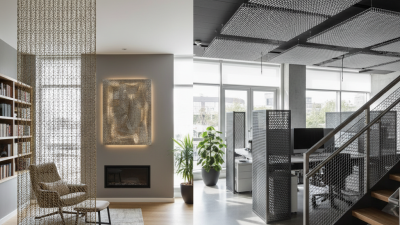
Choosing the right expanded metal sheet for your project can be challenging. Renowned expert in metal fabrication, John Smith, emphasizes, "Understanding your project specifics is crucial when selecting expanded metal sheets." With various types and applications available, knowing what you need is vital.
Expanded metal sheets are versatile. They can serve multiple purposes, from security fencing to decorative elements. Their strength and lightweight nature make them appealing. However, many overlook the importance of the right size and gauge. Failing to factor in these details can lead to mismatched expectations.
Moreover, the chosen finish can impact performance and aesthetics. Do you prefer a smooth surface or a more textured one? This choice might affect both durability and visual appeal. Take the time to reflect on your project's needs and requirements. The perfect expanded metal sheet exists for every situation, but understanding your priorities is essential.
Understanding Expanded Metal Sheets: Types and Applications
Expanded metal sheets are versatile materials used in various projects. They come in different types, each suited for specific applications. Understanding these variations helps ensure you choose the right one.
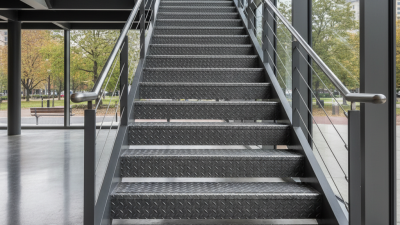
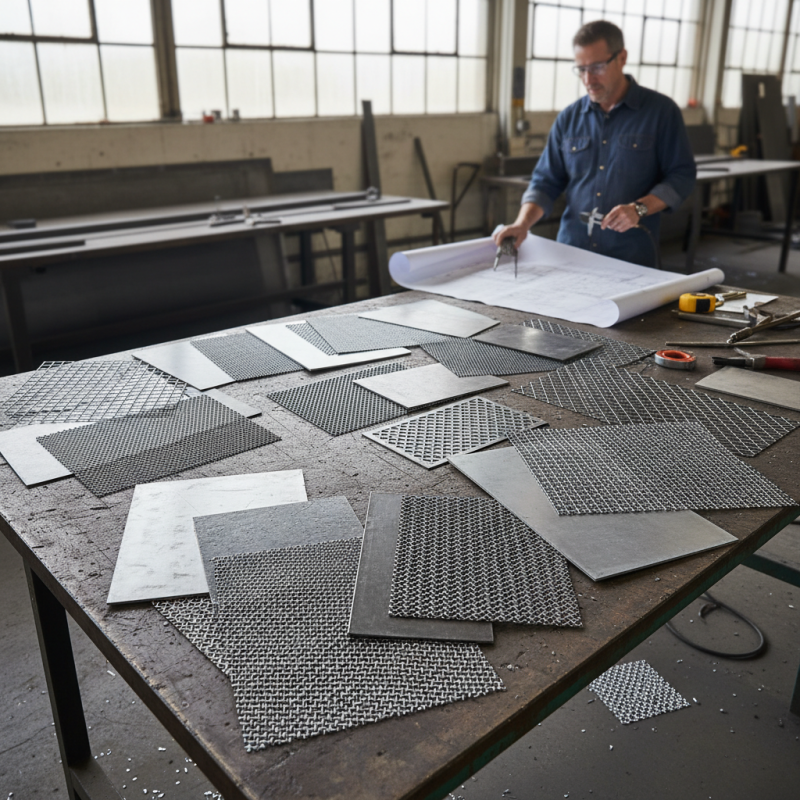
Common types of expanded metal are regular and flattened. Regular expanded metal features raised diamond patterns, ideal for walkways or grates. This structure allows for airflow while providing strength. Flattened expanded metal is smoother and often used for decorative purposes or acoustic panels. It can blend with other materials seamlessly.
When considering applications, think about the weight and load requirements. Some sheets may not hold heavy objects well. Additionally, the finish matters. A coated surface can prevent rust, yet it may complicate repairs. Think about maintenance; some designs collect dust or debris easily. This setup might require frequent cleaning, which could be a downside for some projects.
Expanded Metal Sheet Applications
Evaluating Material Options for Expanded Metal Sheets
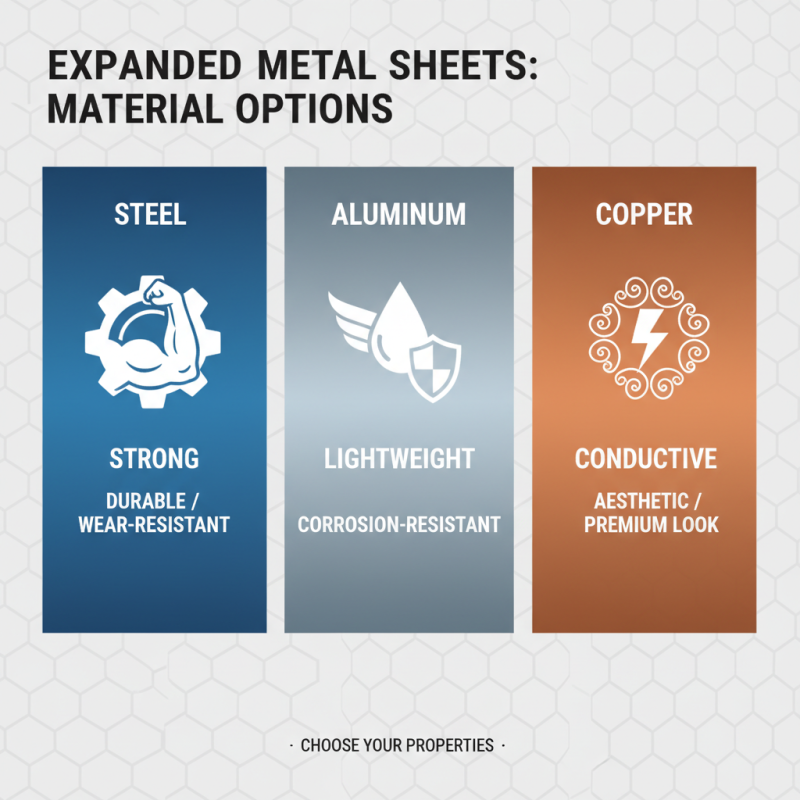
When choosing expanded metal sheets, material options play a crucial role. The most common materials are steel, aluminum, and copper. Steel is strong and durable. It resists wear and tear. Aluminum is lightweight and resistant to corrosion. Copper, while expensive, offers excellent conductivity and aesthetic appeal. Each material has its unique properties.
**Tip:** Consider the project's environment. If it’s exposed to moisture, aluminum might be the better choice. For structures that will bear heavy loads, steel stands out.
Thickness is another aspect to ponder. Thinner sheets are more flexible but less durable. Conversely, thicker sheets provide strength but may add unnecessary weight. Finding the right gauge is critical in achieving the desired performance.
**Tip:** Test different materials in smaller sections before committing. This helps in understanding how each performs under specific conditions. Don’t overlook the possibility of combining materials for improved functionality. Balancing aesthetics and practicality can be tricky. Reflect on how often you need to replace the material. This can save costs in the long run.
Key Factors to Consider When Choosing Expanded Metal Sheets
When selecting an expanded metal sheet, consider the intended use. Will it serve as a barrier, a decorative element, or a structural support? This choice impacts the thickness and pattern of the mesh. For example, a heavier gauge may be necessary for load-bearing applications, while a lighter option could suffice for aesthetic purposes.
Another key factor is the aperture size. Smaller openings provide greater support and security, but may limit visibility and airflow. Think about the environment too. Exposure to moisture or chemicals can lead to corrosion. Using a coated or galvanized option may be wise, but reflect on your project’s long-term requirements. Visualize how the sheet will fit into your design. Will it blend in or stand out?
Lastly, don't forget about ease of installation. Some sheets may require more advanced tools or skills. If you’re unsure, consult with a professional or seek advice from knowledgeable sources. Experimenting may lead to unexpected outcomes. Reflect on these aspects to achieve the best results.
Sizing and Thickness: How to Select the Right Dimensions
Choosing the right dimensions for an expanded metal sheet is crucial. The size and thickness can influence the overall effectiveness of your project. When selecting dimensions, consider the specific needs of your application. Will it bear weight? Will it be exposed to the elements? These questions matter.
Thickness plays a key role in durability. Thicker sheets can support more weight and resist damage. However, they may be heavier and less flexible. If flexibility is essential, you might opt for a thinner sheet. Think about the balance you need. A too-thin sheet could bend easily. This would limit its applications.
Sizing is just as important. The sheet should fit the area perfectly. Oversized sheets may be difficult to install. On the other hand, undersized sheets can lead to functional issues. Measure your space carefully. Mistakes in size can incur extra costs. Lastly, do not overlook your project's specific demands. Each requirement could lead to different choices. Keep experimenting until you find the ideal match.
How to Choose the Right Expanded Metal Sheet for Your Project? - Sizing and Thickness: How to Select the Right Dimensions
| Dimensions (inches) |
Thickness (gauge) |
Weight (lbs/100 sq ft) |
Applications |
| 24 x 48 |
14 |
13.7 |
Grating, fencing |
| 36 x 72 |
16 |
10.9 |
Ceiling panels, partitions |
| 48 x 96 |
18 |
8.5 |
Decorative screens, backings |
| 60 x 120 |
12 |
18.5 |
Bollards, industrial applications |
Analyzing Cost and Availability in Expanded Metal Selection
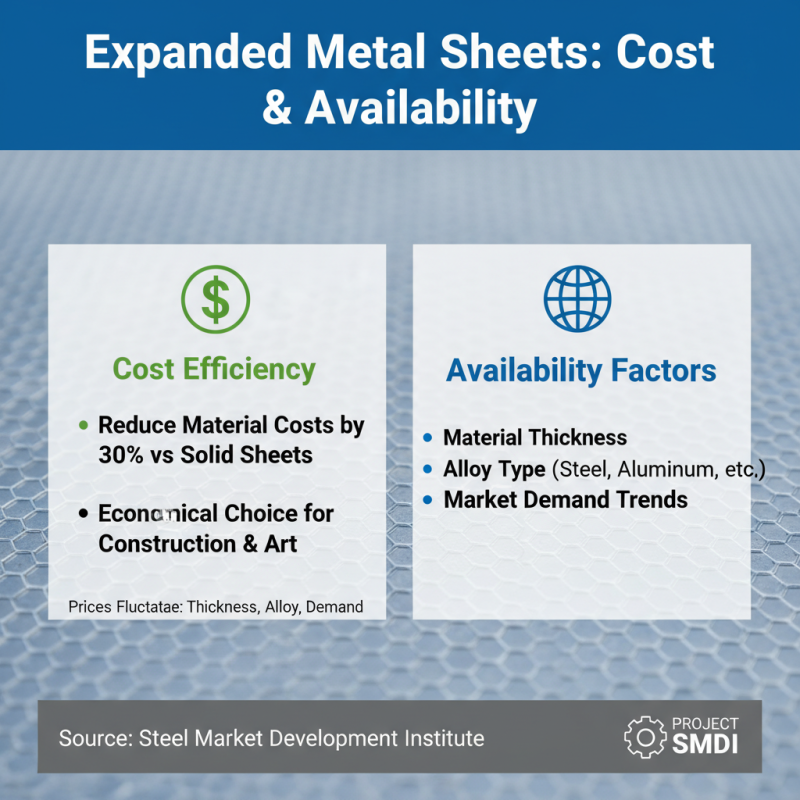
When choosing expanded metal sheets for your project, cost and availability are crucial factors. Research by the Steel Market Development Institute indicates that expanded metal can reduce material cost by up to 30% compared to solid sheets. This makes it an economical choice for various applications, from construction to art installations. However, prices can fluctuate based on material thickness, alloy type, and market demand.
Availability is another significant consideration. Not all suppliers stock every type of expanded metal, which can lead to delays. According to the Metal Manufacturers Association, common patterns may have shorter lead times, often under five days, while more specialized designs might take weeks. Project timelines can suffer if specific materials are unavailable. It’s essential to assess local suppliers and their inventory levels before making decisions.
Inadequate planning can lead to unexpected costs. Late material arrival can stall projects and increase labor expenses. Therefore, always account for potential delays. Additionally, consider sourcing options; local suppliers may offer better services than larger distributors. The balance between cost, availability, and quality can be tricky, requiring careful thought and sometimes a willingness to compromise.