2026 How to Choose the Right Perforated Steel Sheet for Your Project?
Choosing the right perforated steel sheet for your project can be challenging. With a wide variety of options available, making an informed decision is essential. Perforated steel sheets differ in hole size, pattern, and material thickness. These factors can impact aesthetics, functionality, and cost.
Consider your project's specific needs. Are you focusing on ventilation, visual appeal, or structural support? Each application demands different specifications. For instance, larger holes allow for better airflow but may compromise strength. On the other hand, a fine pattern offers a sleek look but could restrict flow.
It is important to reflect on the long-term implications of your choice. Will the perforated steel sheet withstand environmental conditions? What about maintenance concerns? These details matter and can influence your project's success. A thorough evaluation will help you narrow down your options and find the right fit.
Understanding Perforated Steel Sheets: An Overview of Options
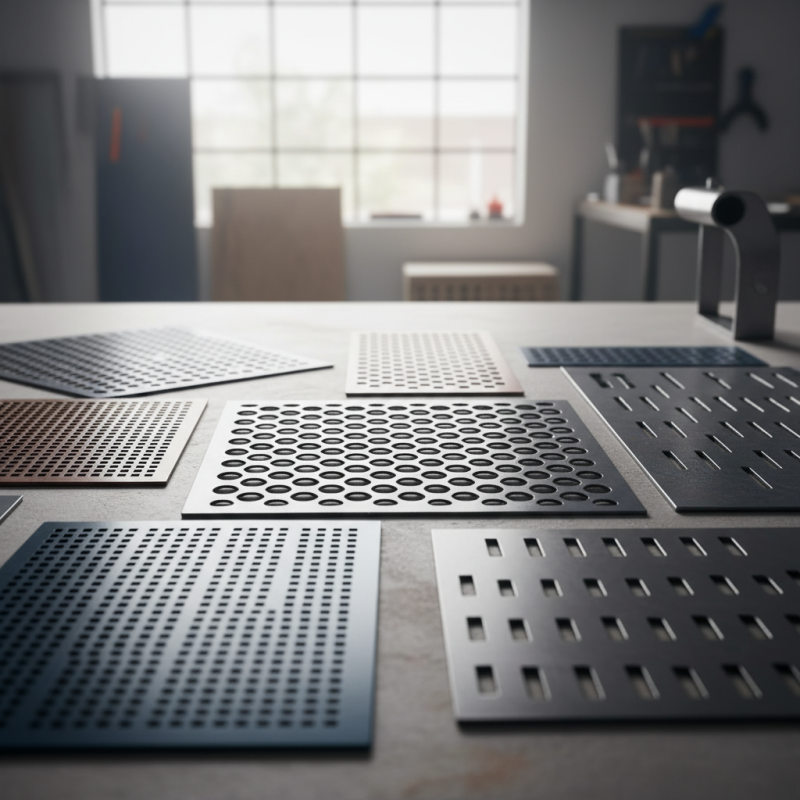
When considering perforated steel sheets, options seem endless. They come in various thicknesses, hole patterns, and materials. The right choice often depends on the specific needs of your project. For instance, an industrial environment may require a thicker gauge for durability. A lighter sheet might suffice for decorative applications.
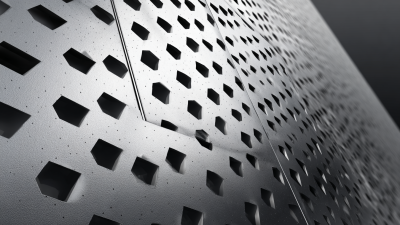
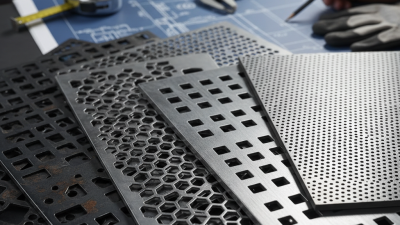
Different hole patterns also play a crucial role. Round holes are the most common, but slots or custom shapes can offer unique aesthetics. The spacing between holes can affect light transmission and airflow. A tighter pattern might enhance filtration, but could also reduce durability. It's essential to reflect on these aspects before making a decision.
Surface finish should not be overlooked either. A galvanized finish provides corrosion resistance, while a polished surface can add visual appeal. However, attention to detail is necessary here. Sometimes a more economical choice might lead to unexpected maintenance costs later. Assessing the long-term implications of your material choice can save trouble down the road.
Key Factors to Consider When Selecting Perforated Steel Sheets
Choosing the right perforated steel sheet starts with understanding your project's needs. Consider the sheet's thickness. Think about how much weight it will support. Thicker sheets are more durable but can be heavier and harder to work with.
Opening size and pattern matter significantly. Different applications require specific hole sizes. For instance, a screen might need smaller holes to keep insects out, while a decorative panel could use larger ones for aesthetic appeal. Always visualize how the holes will affect your design.
Tip: Measure the area where the sheet will be used. This helps in selecting the correct dimensions. Also, think about the installation process. Difficult installations can lead to frustration.
Don't overlook the material type. Stainless steel offers incredible rust resistance but can be costly. Aluminum, on the other hand, is lightweight and affordable but may lack strength. Reflect on the long-term implications of your material choice.
Application-specific Requirements for Perforated Steel Sheets
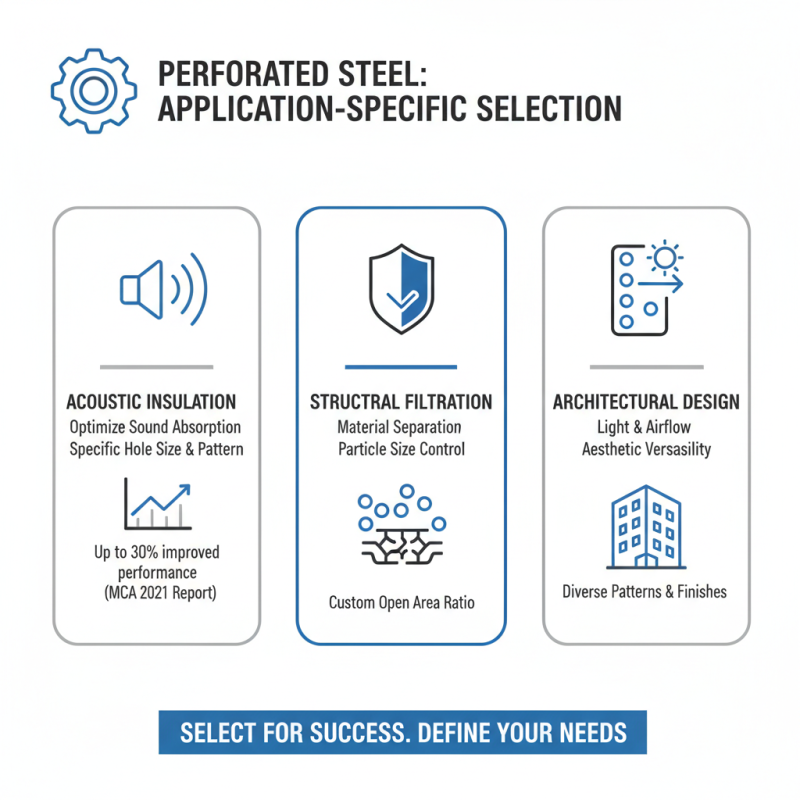
When selecting perforated steel sheets, understanding application-specific requirements is crucial. Each project comes with unique needs. For instance, acoustic applications may require specific hole sizes and patterns to achieve desired sound absorption. According to a 2021 industry report by the Metal Construction Association, the right perforation can improve acoustic performance by up to 30%.
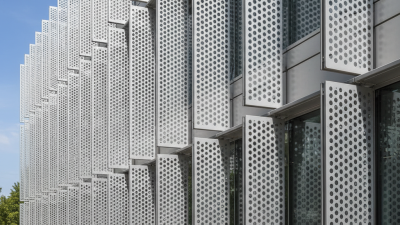
Architectural elements also demand attention. Sheets used in facades often feature varied hole diameters for aesthetic purposes. However, achieving the perfect balance between design and function is challenging. A poorly chosen pattern can lead to issues like structural weakness. Industry data shows that 15% of projects face such setbacks due to design oversight.
Filtration applications are another area where precision matters. The mesh size must align with the materials being processed. For example, water treatment processes require specific perforation to filter contaminants effectively. Studies indicate that improper perforation can reduce efficiency by nearly 25%.
Choosing the right perforated steel sheet involves careful consideration of these factors. Small details can have significant impacts on performance and aesthetics. Each project should be analyzed individually, keeping in mind the potential flaws in assumptions and designs.
Evaluating Thickness and Hole Patterns in Perforated Steel Sheets
When choosing a perforated steel sheet, evaluating thickness and hole patterns is essential. The thickness affects strength and durability. A report from the Steel Market Development Institute indicates that sheets ranging from 0.024 inches to 0.50 inches are common in various industries. Thicker sheets resist bending and damage better, making them ideal for heavy-duty applications.
Hole patterns offer functionality and aesthetic appeal. Round holes are versatile and widely used. Rectangular and square patterns can enhance drainage and airflow. According to a survey by the American Institute of Steel Construction, nearly 60% of buyers consider hole size and spacing critical in their decision-making process. Properly selected patterns can increase the efficiency of your project.
Tips: Consider the intended use of the sheet before selecting a hole pattern. Think about how the sheet will be exposed to the elements. Will it require additional treatments or coatings? Some designs may need further evaluation for structural integrity. Review your project specifications thoroughly and don't hesitate to seek expert advice on optimal choices.
2026 How to Choose the Right Perforated Steel Sheet for Your Project? - Evaluating Thickness and Hole Patterns in Perforated Steel Sheets
| Thickness (mm) |
Hole Diameter (mm) |
Hole Pattern |
Application |
Material |
| 1.0 |
3 |
Staggered |
Architectural Facades |
Steel |
| 1.5 |
6 |
Straight |
Industrial Screens |
Aluminum |
| 2.0 |
12 |
Diamond |
Walkways and Gratings |
Mild Steel |
| 3.0 |
8 |
Round |
Sound Barriers |
Stainless Steel |
| 4.0 |
10 |
Square |
Filtration Systems |
Copper |
Cost Considerations and Sourcing Options for Perforated Steel Sheets
When selecting perforated steel sheets, cost is a critical factor. Prices can vary widely based on sheet size, thickness, and perforation patterns. Smaller sheets with standard hole sizes generally cost less, while larger custom designs may be pricier. It's vital to compare multiple suppliers to find the best deals. Consider local suppliers; shipping fees can add up. Just because it’s cheaper does not mean it’s better. Quality should not be overlooked.
Sourcing options depend on your project's requirements. Local metal fabricators often offer custom solutions, while online retailers provide a wider range of designs and specifications. Evaluate the trade-offs. Online sources might have lower prices, but they may lack personal service. Local shops might charge more but could offer valuable advice. Availability is another concern. Some designs might not be in stock. Always ask about lead times. Delays can affect project schedules. In the end, assess your needs carefully. Investing time in research can pay off long-term.