How to Choose the Best Hidden Cabinet Hinge for Your Project?
Choosing the right Hidden Cabinet Hinge is crucial for any cabinetry project. Richard Johnson, a leading expert in hinge technology, states, "The right hinge can make or break your design." Hidden cabinet hinges not only provide a clean look but also affect functionality. They allow doors to close seamlessly while maximizing space.
When selecting a hidden cabinet hinge, consider the weight of the doors. Each hinge model varies in strength and durability. You must also think about the type of cabinet you're working with. There are different designs for frameless and framed cabinets. This decision can seem overwhelming.
Many people overlook details like hinge finish and adjustability. These factors matter, yet they're often dismissed. Reflection on your choices can lead to better outcomes. Remember, a hidden cabinet hinge should blend form and function effortlessly. Making informed choices requires time and research, but it pays off in the end.
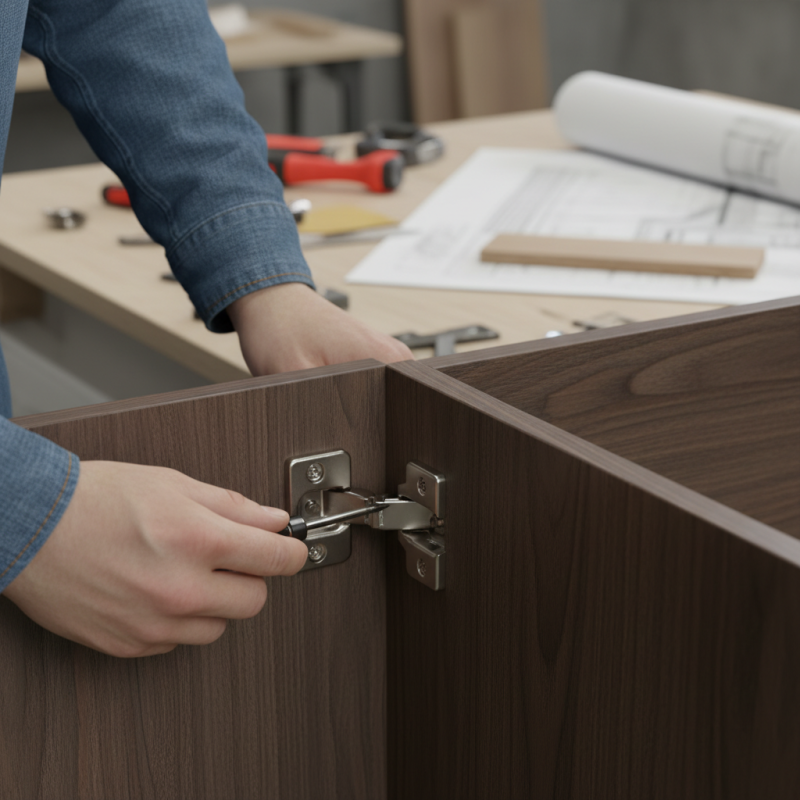
Understanding the Different Types of Hidden Cabinet Hinges
When selecting hidden cabinet hinges, understanding the types is crucial. There are various styles available, like European, concealed, and pivot hinges. Each type offers unique advantages. European hinges are common for their ease of installation and adjustability. They remain almost invisible when the cabinet door is closed. However, they may not suit every design.
Concealed hinges, on the other hand, offer a sleek profile. They allow doors to swing open completely while hiding the hardware. This functionality can be excellent, but fitting them requires precision. An imprecise installation could lead to uneven gaps between the doors.
Here are some tips: Consider the weight of your cabinet doors. Heavier doors need more robust hinges for long-lasting support. You should also match the hinge style to your cabinet design. An incompatible style can clash, reducing the visual appeal. Lastly, evaluate the ease of installation. Difficult-to-install hinges can be frustrating and time-consuming. Always think about these factors before proceeding.
Evaluating Hinge Materials for Durability and Performance
When choosing hidden cabinet hinges, the material is crucial. Different materials offer varying levels of durability and performance. For instance, stainless steel is often cited for its strength and resistance to corrosion. A report by the National Association of Home Builders indicates that stainless steel hinges can last over 15 years under normal conditions. This longevity makes them an attractive option for projects that demand reliability.
Wood hinges, while aesthetically pleasing, often fall short in durability. They can warp or crack over time, especially in humid environments. Reports from the American Wood Council suggest that wooden hinges may last between 5 to 7 years. Environment and maintenance play significant roles in their lifespan. If you're opting for wooden hinges, consider the climate. Moisture can be their worst enemy.
Additionally, plastic hinges are available but may not perform as well in high-stress situations. They can crack under heavy use, yet they are lightweight and can handle basic needs. It’s important to evaluate the specific requirements of your project. Ensure that the hinge material aligns with expected usage. Overlooking these details can lead to early failures. Make choices that suit both form and function.
Assessing Load Capacity and Size Requirements for Your Cabinets
When choosing a hidden cabinet hinge, load capacity is crucial. This factor determines how much weight the hinge can support. For heavier doors, select a hinge with a higher load rating. Often, people overlook this detail. They may choose a hinge based solely on aesthetics. This can result in sagging doors and frustration over time.
Size requirements are also important. Measure the door thickness and width accurately. A hinge that doesn’t fit well can create gaps. These gaps can affect the door's functionality. Additionally, consider the installation space. If the hinge is too large, it may not fit your design. A careful balance between size and strength ensures a successful project.
Often, people assume all hinges are alike. This assumption can lead to poor choices. It’s worth researching different options. Examine the material and design features. Sometimes, a minor adjustment can improve performance. Don't rush the decision. Take time to consider how the hinge will integrate into your project.
Installation Considerations and Techniques for Hidden Hinges
When installing hidden cabinet hinges, attention to detail is key. Start by ensuring that the measurements of your cabinet doors are precise. Miscalculations can lead to misalignment, causing functional issues later. Using a level can help ensure their placement is spot on. You might think this is easy, but even slight errors can affect the overall look.
It's also crucial to choose the right hinge type for your project. Some hinges require specific depths or widths for installation. Consider the material of your cabinets. For instance, thicker materials might need different drilling techniques. Take your time while drilling pilot holes. Rushing can result in damaged wood or improper fitting.
Another aspect to ponder is the finish of the hinges. While they are hidden, a mismatch in color or texture can still be noticeable at a glance. Test the hinge's movement after installation. If it feels stiff or doesn’t close smoothly, you may need to re-evaluate your work. Sometimes, the smallest details make a significant impact. When in doubt, revisit the installation process and take a closer look.
Tips for Selecting the Right Finishes and Styles for Your Project
Choosing the right finishes and styles for hidden cabinet hinges can feel overwhelming. Aesthetics matter, but durability is essential too. The finish will affect how well the hinge blends with your cabinetry. For example, brushed nickel offers a modern touch, while antique brass can evoke a traditional vibe.
When selecting finishes, consider your overall design theme. A report from the National Kitchen & Bath Association shows that 70% of homeowners prioritize style and finish compatibility. However, many make choices based solely on trends rather than personal preference. Don't overlook this aspect. Your choice should resonate with your taste and the space's functionality.
Tip: Always test samples in your actual environment. Lighting can dramatically change how finishes appear. Another tip is to think about maintenance. Some finishes are more prone to fingerprints or tarnishing. Lastly, pay attention to the hinge's style. It should complement the cabinet doors without drawing too much attention. A mismatch here could lead to a design misstep. Balancing style, finish, and practical concerns is key to a successful project.
Hidden Cabinet Hinge Selection Overview