How to Choose the Best Steel Stair Treads for Safety and Durability
When it comes to ensuring safety and longevity in stair design, one critical component stands out: steel stair treads. These essential fixtures provide not only durability but also enhanced traction, making them ideal for both residential and commercial environments. The selection of the right steel stair treads can significantly influence the overall safety of your stairway, particularly in high-traffic areas or places subject to various weather conditions.
As you navigate the selection process, it’s crucial to consider several factors that impact performance and safety. The material composition, surface texture, and installation method of steel stair treads play pivotal roles in determining their effectiveness and longevity. Understanding these elements will empower you to make informed decisions that ensure both the safety of users and the durability of your stairs. Whether you are renovating an existing structure or designing a new one, the right choice in steel stair treads is fundamental to achieving a safe and reliable environment.
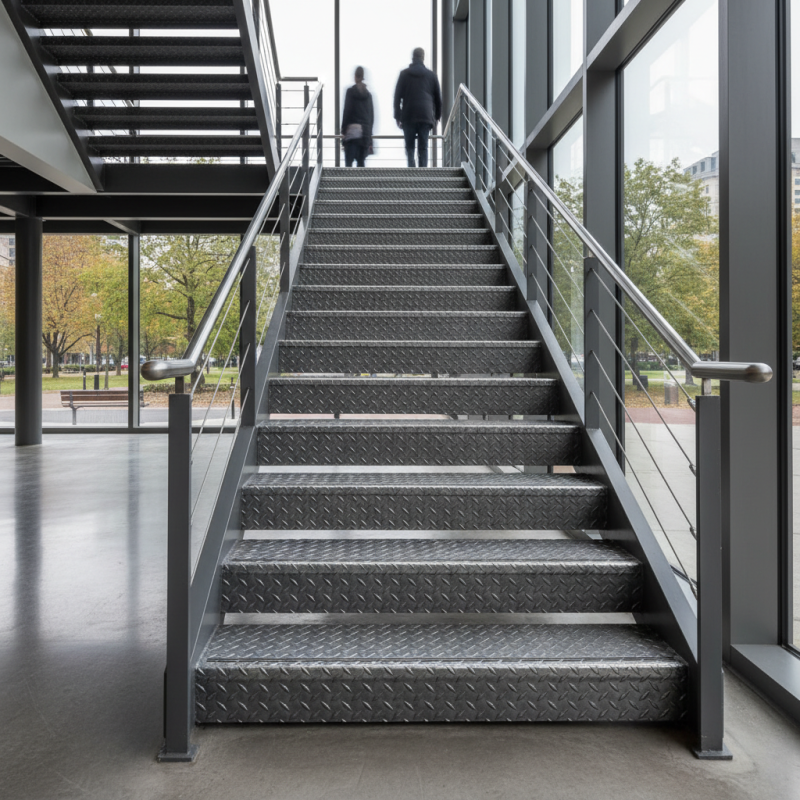
Factors to Consider in Selecting Steel Stair Treads
When selecting steel stair treads, several crucial factors must be considered to ensure both safety and durability. First and foremost, the intended application of the stair treads plays a significant role. For high-traffic areas or outdoor environments, treads designed with slip-resistant surfaces can provide enhanced traction, reducing the risk of accidents. Additionally, it’s important to assess the weight capacity required for the specific setting, ensuring that the treads can withstand the anticipated loads without compromising structural integrity.
Another vital aspect to consider is the type of steel used in the manufacturing of the treads. Stainless steel offers superior resistance to corrosion, making it ideal for environments exposed to moisture or chemicals. On the other hand, carbon steel may be a more cost-effective option for indoor use, provided it is adequately coated or treated to prevent rust. Furthermore, aesthetic factors should also come into play; the finish and design of the treads should align with the overall architecture of the space, while still prioritizing safety features. Balancing these elements will lead to informed decisions that prioritize functionality and longevity.
Understanding Different Types of Steel Stair Treads Materials
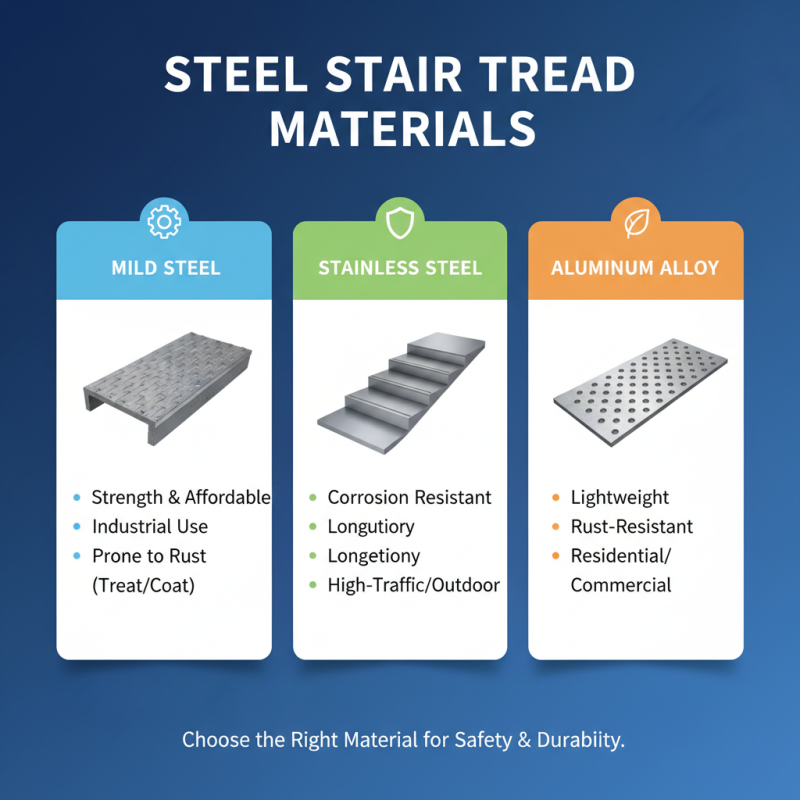
When selecting steel stair treads, understanding the different materials available is crucial for ensuring safety and durability. Steel tread materials primarily include mild steel, stainless steel, and aluminum alloy. Mild steel is known for its strength and affordability, making it a popular choice for industrial applications. However, it is prone to rust and corrosion if not properly treated or coated. Stainless steel, while more expensive, offers excellent corrosion resistance and longevity, making it ideal for high-traffic or outdoor areas. Aluminum alloy provides a lightweight and rust-resistant option, suitable for both residential and commercial settings.
Tips: When choosing materials, consider the environment where the treads will be installed. For outdoor settings or areas exposed to moisture, stainless steel or coated mild steel would be best to prevent corrosion. Additionally, look for treads with anti-slip surfaces, as this can significantly reduce the risk of accidents, especially in wet conditions.
Another important aspect to consider is the tread design and thickness. Thicker treads provide better durability and load-bearing capacity, which is essential for heavy foot traffic. Furthermore, ensure that the tread design complies with safety standards, as this is critical for public access areas. Understand the specific needs of your space to select the most appropriate material and design for your stair treads.
Evaluating Safety Features of Steel Stair Treads
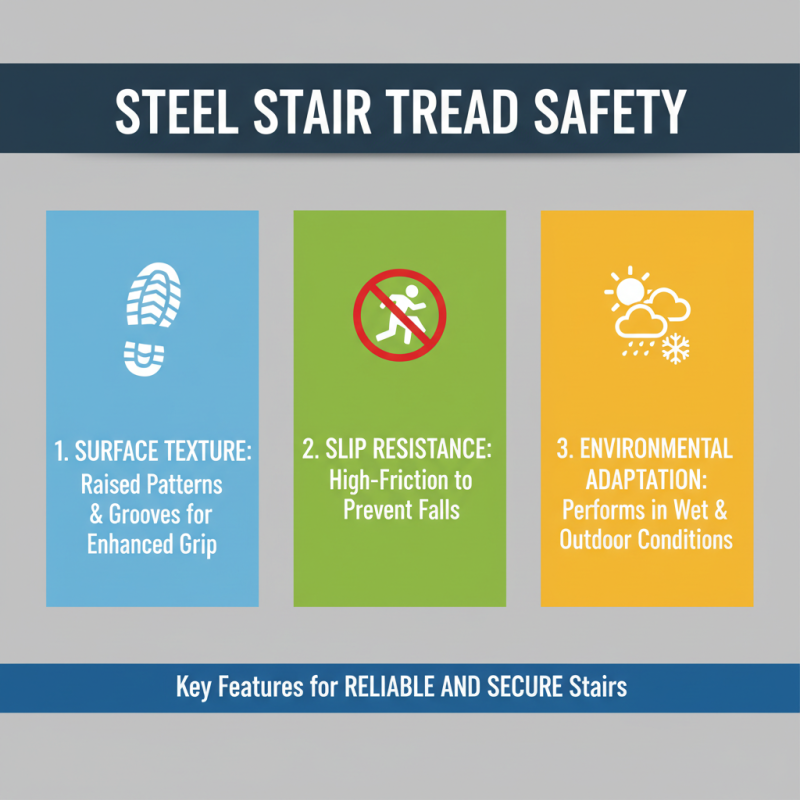
When evaluating the safety features of steel stair treads, the focus should be on surface texture, resistance to slipping, and how well they can handle different environmental conditions. A high-friction surface is essential to prevent slips and falls, especially in areas exposed to moisture or heavy foot traffic. Look for treads that incorporate features like raised patterns or grooves designed to increase grip, which can be particularly beneficial for outdoor installations, where weather conditions can affect safety.
Tips: Consider selecting steel stair treads that are coated with anti-slip materials or have added surface treatments. This can significantly enhance traction without compromising the aesthetic appeal. Additionally, ensure that the treads meet relevant safety standards, as these certifications can help in identifying products that have undergone rigorous testing for slip-resistance.
Another important safety feature is the durability of the steel material used in the treads. Choose treads that are resistant to corrosion, especially if they will be installed outdoors or in humid environments. This added durability not only prolongs the life of the stair treads but also maintains their safety features over time, reducing the need for frequent replacements.
Tips: Regular maintenance can enhance the lifespan of your steel stair treads. Periodically check for signs of wear or damage and ensure that any debris is cleared away to maintain traction. A proactive approach to maintenance will keep your stair treads both safe and functional for an extended period.
Assessing Durability and Longevity of Steel Stair Treads
When selecting steel stair treads, one of the key factors to consider is their durability and longevity. Steel treads are often subjected to heavy foot traffic and environmental factors, which can significantly affect their lifespan. According to a report by the American Society of Civil Engineers, steel components have a service life of 50 years or more when properly maintained. This highlights the importance of choosing high-quality materials that resist corrosion and wear, particularly for outdoor or industrial applications.
In evaluating the longevity of steel stair treads, consider factors such as surface treatment and the steel's grade. For example, treads that have been galvanized or coated with anti-slip finishes not only provide enhanced safety but also extend the life of the product by protecting against harsh elements. A study from the National Institute of Standards and Technology indicates that treads made from high-carbon steel outperform standard mild steel in terms of resistance to abrasion and impact, thereby offering a more durable solution for demanding environments. As such, investing in durable steel stair treads can provide long-term safety and performance, ultimately reducing replacement costs over time.
How to Choose the Best Steel Stair Treads for Safety and Durability - Assessing Durability and Longevity of Steel Stair Treads
| Type of Steel Tread |
Durability Rating |
Longevity (Years) |
Slip Resistance Rating |
Maintenance Frequency (Months) |
| Steel Tread with Anti-Slip Coating |
High |
15 |
0.8 |
12 |
| Galvanized Steel Tread |
Medium |
10 |
0.6 |
18 |
| Stainless Steel Tread |
Very High |
20 |
0.9 |
24 |
| Perforated Metal Tread |
Medium |
12 |
0.7 |
15 |
Installation and Maintenance Tips for Steel Stair Treads
When it comes to ensuring safety and longevity in steel stair treads, proper installation and maintenance are essential. According to a report by the Occupational Safety and Health Administration (OSHA), falls remain a leading cause of workplace injuries, emphasizing the importance of non-slip surfaces and robust design.
Steel stair treads should be installed in accordance with established guidelines, ensuring they are securely anchored. Proper alignment and leveling are crucial to minimize tripping hazards. Additionally, using the right type of fasteners and corrosion-resistant materials can significantly enhance the durability of the installation.
Maintenance plays a vital role in prolonging the lifespan of steel stair treads. Regular inspections should be conducted to identify wear, rust, or surface damage, as highlighted in a study by the American Society of Civil Engineers (ASCE).
Cleaning methods should be selected carefully; abrasive cleaners can sometimes cause more harm than good. Using a mild detergent and ensuring immediate drying after cleaning can help maintain the treads' traction and appearance. Furthermore, periodic application of protective coatings can provide an additional layer of defense against corrosion and wear, ultimately ensuring that the stair treads remain safe and functional for years to come.