
Cart

Top 10 Tips for Choosing Material Handling Robots for Your Business

Choosing the right Material Handling Robots for your business can be a daunting task. The options are vast, and each robot serves a different purpose. Understanding your unique needs is crucial. Material handling plays a significant role in improving efficiency and reducing costs. Yet, selecting a robot requires careful thought and planning.

Consider factors like your workflow and the types of materials you handle. Different tasks require different capabilities. Some robots are designed for heavy lifting, while others excel at precision tasks. It's essential to match the robot's features to your business’s requirements. Mistakes in this process can lead to wasted time and resources.

Investing in Material Handling Robots is a significant decision. Evaluate potential suppliers and their technologies. Look for established companies known for reliability. Seek expert consultations if necessary. Making informed choices will enhance productivity and safety in your operations. Reflecting on past experiences can guide you toward the best solutions.
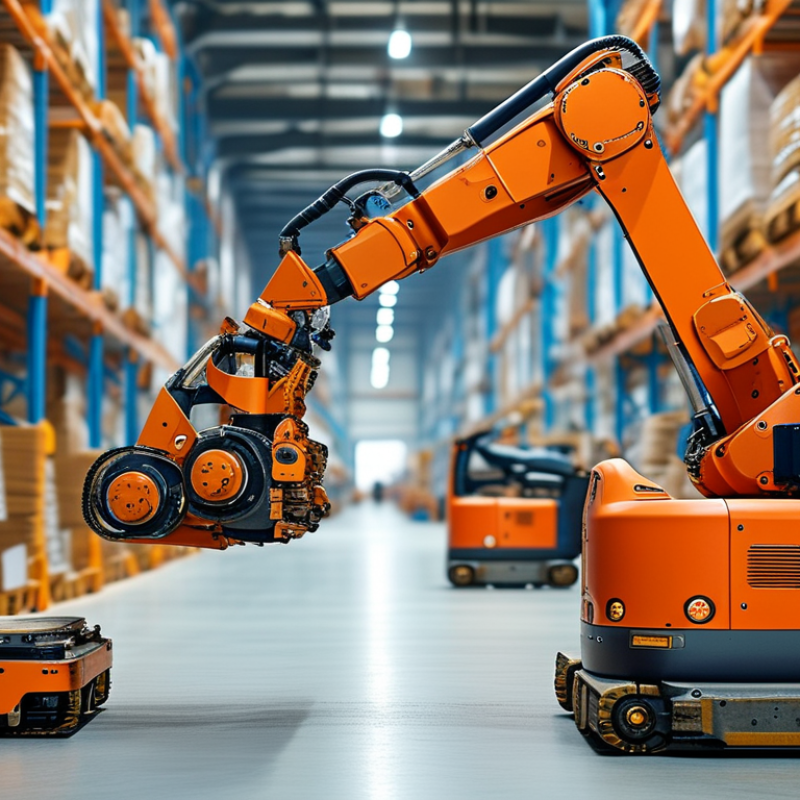
Top 10 Tips for Choosing Material Handling Robots for Your Business

Understanding Your Business Needs for Material Handling Robots

When selecting material handling robots, understanding your business needs is crucial. Every industry has unique demands. In manufacturing, for instance, automation can increase throughput by 30%. Identifying specific tasks, such as loading and unloading, can help streamline processes.

Data from industry reports indicates that around 70% of businesses experience labor shortages. This issue exacerbates the need for efficient solutions. Engaging in a thorough needs assessment allows companies to pinpoint exact robot capabilities. Parameters like weight, speed, and flexibility matter immensely.

In a survey by the Robotics Industries Association, over 60% of respondents reported improved safety with automation. However, it’s essential to note that not every operation benefits equally. Some tasks require human intuition. It’s crucial to balance automation with human oversight to ensure operational harmony.

Top 10 Tips for Choosing Material Handling Robots for Your Business

Tip No. Tip Description Considerations
1 Assess Your Needs Identify the specific tasks that require automation. Task frequency, weight, and complexity.
2 Consider Robot Types Choose between collaborative, autonomous, or traditional robots. Safety and workspace layout.
3 Evaluate Payload Capacity Ensure the robot can handle the weight of your materials. Maximum and average load requirements.
4 Assess Range of Motion Determine the necessary reach and mobility for the robot. Size of the workspace and obstacles.
5 Consider Integration Ensure compatibility with existing systems and software. Current technology stack.
6 Evaluate Technology Look for features like vision systems and AI capabilities. Future-proofing and adaptability.
7 Assess Maintenance Needs Understand the required upkeep for the robot. Maintenance time and cost.
8 Consider Training Needs Assess what training will be needed for personnel. Training duration and costs.
9 Evaluate Cost of Ownership Calculate the total cost over the robot's lifecycle. Initial costs, maintenance, and operational expenses.
10 Seek Expert Advice Consult with robotics experts or suppliers. Improves decision-making.

Evaluating Different Types of Material Handling Robots Available

When evaluating different types of material handling robots, consider your specific business needs. Each robot type has unique strengths. For instance, automated guided vehicles (AGVs) excel in transporting goods across large distances. On the other hand, robotic arms are perfect for precise picking and packing tasks.

Tip: Understand the layout of your workspace. A well-planned design can enhance robot efficiency. Assessing weight capacities is crucial as well. Some robots can handle heavy loads better than others.

Another consideration is the level of automation required. Fully autonomous robots can reduce labor costs and improve productivity. However, semi-automated options may be more suitable for smaller operations.

Tip: Explore training and support services offered by manufacturers. Good training can avoid mishaps during operation. Remember, the choice of robots can impact workflow significantly. Consider your operational goals carefully and choose robots that align with them. Balancing automation with human oversight can also lead to greater safety and efficiency.

Assessing the Compatibility of Robots with Existing Systems

When considering material handling robots, compatibility with existing systems is crucial. Assess your current technology and workflow. What equipment do you already have? Identify how new robots will integrate into this setup. A seamless connection between systems can enhance efficiency and reduce downtime.

Evaluate communication protocols. Ensure new robots can communicate effectively with your existing machinery. This involves checking for compatibility in software and hardware standards. Test various configurations, if possible. A robot that doesn’t mesh well with your system can create unwanted delays.

Lastly, involve your team in the decision. Their insights on daily operations offer valuable perspectives. They can highlight potential challenges with integration. Gathering input fosters a collaborative environment and helps make informed choices. Strive for a solution that optimally aligns with your operations while embracing room for improvement.

Top 10 Tips for Choosing Material Handling Robots Compatibility

This bar chart illustrates the importance scores assigned to various factors when selecting material handling robots compatible with existing systems in a business environment. Scores range from 1 to 10, indicating how crucial each dimension is considered during the selection process.

Determining the Budget and Total Cost of Ownership for Robots

When selecting material handling robots, understanding the total cost of ownership (TCO) is crucial. TCO encompasses all expenses associated with the robot throughout its lifespan. According to the Robotics Industries Association, the initial purchase price accounts for just 20% of the total costs. Operational expenses, maintenance, and training also play significant roles in the overall budget.

For example, the average maintenance cost of industrial robots ranges from 10% to 15% of their purchase price annually. These figures can vary based on the robot’s complexity and how often it is used. Additionally, many businesses underestimate the training costs needed for effective operation. Providing proper training ensures higher efficiency and reduces operational risks.

Moreover, energy consumption is often overlooked. Reports indicate that automation can lead to a 30% reduction in energy costs. Yet, the specific savings can depend heavily on the type of robot implemented and its application within the business. Ultimately, a thorough cost analysis is needed. Balancing upfront costs with long-term savings can be challenging, highlighting the importance of strategic planning in robot selection.

Ensuring Vendor Support and Availability of Spare Parts and Service

When selecting material handling robots, vendor support is crucial. Reliable support can greatly influence your operations. After purchasing, you need a partner you can trust. Vendors should provide immediate assistance for any issues. Access to technical support via phone or online is essential.

Spare parts availability is another critical factor. Delays in parts can halt operations entirely. Choose vendors who ensure a steady supply of components. A good track record in parts availability shows reliability. If you require quick repairs, an accessible service network is important.

Evaluating these aspects can be challenging. Sometimes vendors may promise support but fail in delivery. Research reviews and case studies to gauge their reputation. Long-term partnerships often hinge on ongoing support and responsiveness. Taking the time to verify vendor claims can prevent future frustrations.

Skip to content