Cart

How to Choose Metal Stair Treads in 2026?

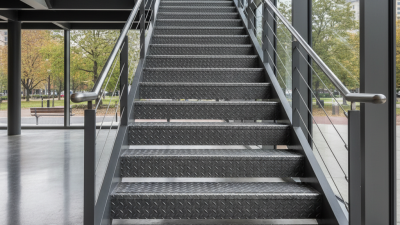
Choosing metal stair treads in 2026 requires more than comparing prices, patterns, or polished finishes. A tread must match the building’s traffic, moisture exposure, footwear, and maintenance routine. It should also support safe movement during rushed mornings, wet deliveries, and low evening light. Small details matter.

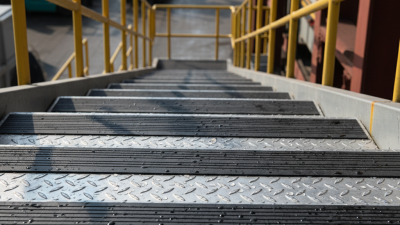
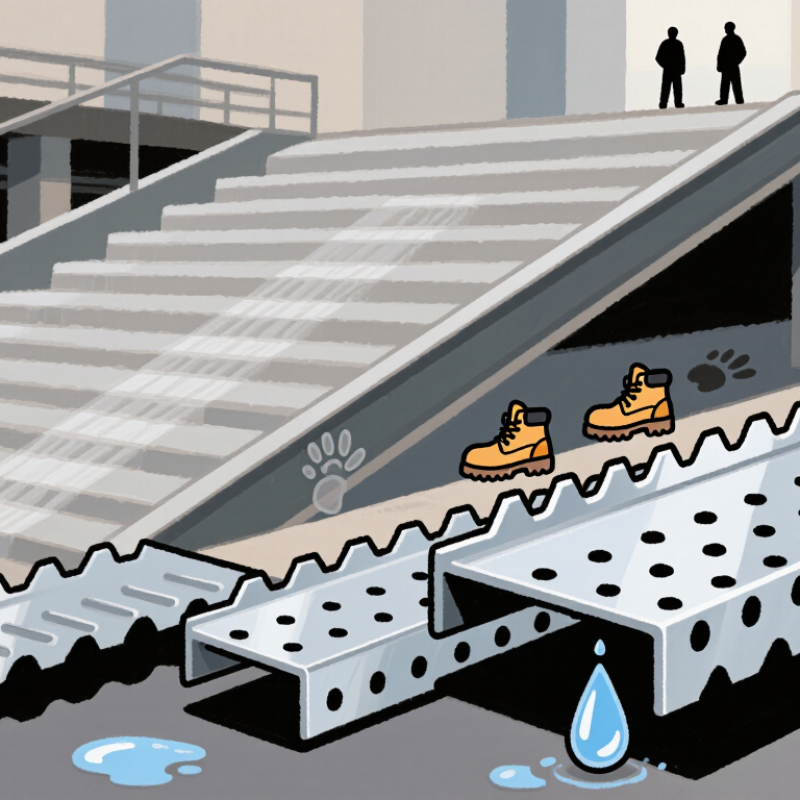
The U.S. Bureau of Labor Statistics reported 865 fatal occupational injuries involving falls, slips, and trips in 2022. This figure does not isolate stair incidents, but it shows why walking-surface decisions deserve serious attention. OSHA’s Walking-Working Surfaces rule, 29 CFR 1910 Subpart D, emphasizes stairway safety, structural strength, and slip-resistant conditions. Designers should therefore examine tread nosing, open-area dimensions, fastening methods, and visible wear. A serrated surface may improve drainage, while a punched pattern can remove mud beneath work boots. Neither option is perfect for every environment.

Material selection also needs evidence. ASTM F1637 provides guidance for safe walking surfaces, while the International Building Code addresses stair geometry and guard requirements. These references do not replace local code review or a qualified site assessment. They create a dependable starting point. Consider galvanized steel for exposed service areas, stainless steel for corrosive interiors, and aluminum where lower weight matters. Check the supporting stair structure, too. A strong tread cannot correct a weak stringer.

Experience often reveals overlooked problems, such as loose fasteners, damaged nosings, or glare on bright metal. I would not choose a product from a catalog image alone. Ask for test information, installation instructions, and realistic maintenance records. The best metal stair treads balance traction, durability, drainage, appearance, and replacement cost. Sometimes, the cheapest tread becomes the most expensive decision.
How to Choose Metal Stair Treads in 2026?

Define Stair Use and Loads: OSHA Limits Angles to 30°–50°

How to Choose Metal Stair Treads in 2026?

Start by defining how the stairs will be used. A quiet office stair needs different treads than a wet loading area or maintenance platform. Estimate daily traffic, cart movement, footwear, and expected loads. OSHA requires fixed stairs in covered workplaces to have an angle between 30 and 50 degrees from the horizontal. Steeper stairs can increase slip and fall risks. Measure the actual rise and run before ordering metal treads. A drawing can hide a serious mistake.

Select a tread with suitable load capacity, open-area design, and slip resistance. Serrated surfaces can improve grip where water, oil, or snow may appear. Perforated treads help drain rain, but small openings may catch narrow heels or tools. Check the manufacturer’s tested load data, span limits, fasteners, and corrosion protection. Do not rely on thickness alone. A heavy-looking tread may still flex if supports are too far apart. OSHA guidance matters, but local building and accessibility rules may also apply. Confirm both with a qualified engineer or safety professional.

Tips: Measure twice. Record the slope, clear width, support spacing, and environment. Test a sample with the actual work boots and cleaning method. I have seen designs pass a basic load check yet feel slippery after a thin film of water. That detail is easy to miss. When conditions change, review the tread choice again.

How to Choose Metal Stair Treads in 2026?

Define Stair Use and Loads: OSHA Limits Angles to 30°–50°

For fixed industrial stairs, OSHA 29 CFR 1910.24(e) specifies an angle of 30° to 50° from the horizontal. Stair systems must also support at least five times the normal anticipated live load, with a minimum capacity of 1,000 pounds, according to 29 CFR 1910.24(b).

Compare Steel, Aluminum, and Grating by Strength and Corrosion Risk

How to Choose Metal Stair Treads in 2026?

Steel remains the strongest option for demanding industrial stairs, heavy equipment access, and frequent impact. Its high stiffness reduces flexing under concentrated loads. However, untreated steel can rust quickly around welds, cut edges, and damaged paint. Hot-dip galvanizing improves protection, but it is not maintenance-free. Inspect drainage points and fasteners regularly.

Aluminum offers lower weight and strong resistance to moisture, making it practical for coastal facilities, rooftops, and portable platforms. It is easier to handle during installation. Yet aluminum bends more easily than steel and may suffer surface wear in abrasive areas. Check the specified load rating, span, alloy, and tread thickness instead of judging strength by appearance. It can look substantial and still flex.

Grating treads improve drainage and reduce standing water, mud, and ice. Serrated surfaces can also increase slip resistance, especially outdoors. Open grating is not always suitable for small tools, narrow heels, or facilities requiring a solid walking surface. In corrosive environments, compare galvanized steel, stainless steel, and aluminum against chemicals, salt, humidity, and cleaning agents. Material compatibility matters.

01

A practical selection starts with the real load, span, traffic pattern, and exposure level. Engineers should verify deflection and connection details using applicable building and safety standards. A common mistake is choosing corrosion resistance first and discovering excessive vibration later. Another is selecting maximum strength when workers mainly need lighter handling and reliable drainage. Inspect the finished tread after installation; design assumptions sometimes fail at the edges.

Choose Tread Dimensions: IBC Sets 10-in Minimum Treads and 7¾-in Risers

How to Choose Metal Stair Treads in 2026?

Tread dimensions should guide every metal stair selection. Under the International Building Code (IBC), many standard stairs require at least 10 inches of tread depth and a maximum riser height of 7¾ inches. Measure the usable walking surface, not only the metal plate length. A front nosing may be included differently, depending on the adopted code and project details. Small measuring errors can create uncomfortable steps.

Uniformity matters just as much. Treads and risers should remain consistent throughout one flight. Even a slight variation can catch a boot heel, especially on wet industrial stairs. I have seen projects pass a basic measurement check but still feel awkward because the nosing projection changed between steps. That detail deserves another look. Always confirm the current code edition and local amendments with the authority having jurisdiction.

Tips:

Mark the 10-inch minimum directly on your drawings. Check the 7¾-inch riser limit before fabrication. Compare the first, middle, and final steps. Leave room for drainage, coatings, and installation tolerances. Serrated metal surfaces can improve traction, but they do not correct poor dimensions. Field conditions can also shift after concrete work, so remeasure before final installation.

Specify Slip Resistance and Drainage Using OSHA Safe-Footing Criteria

How to Choose Metal Stair Treads in 2026?

Specify Slip Resistance and Drainage Using OSHA Safe-Footing Criteria

Metal stair treads should be selected for real walking conditions, not showroom appearance. OSHA 1910.22 requires walking-working surfaces to remain clean, orderly, and free from hazards. Water, oil, ice, and loose debris can defeat an attractive tread quickly. The U.S. Bureau of Labor Statistics reported 865 fatal workplace falls, slips, and trips in 2022. That figure supports a practical design priority: safe footing must come before decorative finishes.

Look for treads with tested slip resistance, open drainage, and visible edge contrast. A serrated surface can grip a wet boot while allowing rain and process liquids to escape. However, a high laboratory coefficient does not guarantee field performance. Testing should reflect footwear, contaminants, temperature, and traffic. ANSI/ASSP A1264.2 provides recognized guidance for evaluating walking-surface traction, while ASTM test methods can help compare tread designs. Ask suppliers for test conditions, not only a single rating. That detail is often missing.

Tips: Measure the drainage openings against small tools, heels, and debris. Check tread nosings after repeated foot traffic. Use a physical sample on a wet, contaminated surface before approval. Document inspections and replace distorted sections promptly. I would also challenge one common assumption: more aggressive serrations are not always safer, because they may catch footwear or complicate cleaning. Practical observation still matters.

Verify 22-in Minimum Width, Load Ratings, Fabrication, and Compliance

How to Choose Metal Stair Treads in 2026?

A metal stair tread must fit the project, not just the catalog. Verify the specified 22-inch minimum width before ordering materials. This dimension may reflect a local code, owner standard, or equipment-access requirement. Do not assume every jurisdiction uses the same rule. Measure the clear walking width after nosings, side plates, and coatings are installed. A small fabrication change can reduce usable space.

Check both distributed and concentrated load ratings. Ask for the design load, span, deflection limit, and safety factor. A tread carrying workers may face heavier impact than a quiet service stair. Serrated surfaces improve traction around mud, rain, and oil, but their openings can affect small-foot traffic. Review the material grade, thickness, weld quality, drainage, and corrosion protection. Request fabrication drawings before production. They expose mistakes early.

Compliance requires more than a load table. Compare the design with current building codes, workplace safety rules, accessibility provisions, and project specifications. Require traceable material records and signed engineering calculations when the project demands them. Field inspection should confirm tread width, rise, run, fasteners, and weld continuity. It is easy to trust a neat drawing. That can be a mistake. I would recheck dimensions on site, especially after galvanizing or paint, because finished thickness and fit may change.

Skip to content