Cart

How to Choose the Right Aluminum Grating for Your Project?

When selecting aluminum grating for your project, various factors come into play. Aluminum grating is versatile and durable, making it a popular choice for many applications. It is crucial to understand its properties and how they align with your needs.

Consider the environment where the grating will be used. Will it face heavy loads or exposure to chemicals? These details can affect the type of aluminum grating you need. Remember that not every option is perfect. Sometimes, compromises are necessary.

Additionally, aesthetics can matter. The appearance of aluminum grating may influence your project's overall look. Choose wisely. Quality often reflects in the price, but cheaper options might come with hidden drawbacks. Finding the right balance can take time and effort. Each decision impacts the outcome of your project.
How to Choose the Right Aluminum Grating for Your Project?

Understanding the Types of Aluminum Grating: Open vs. Closed Grating

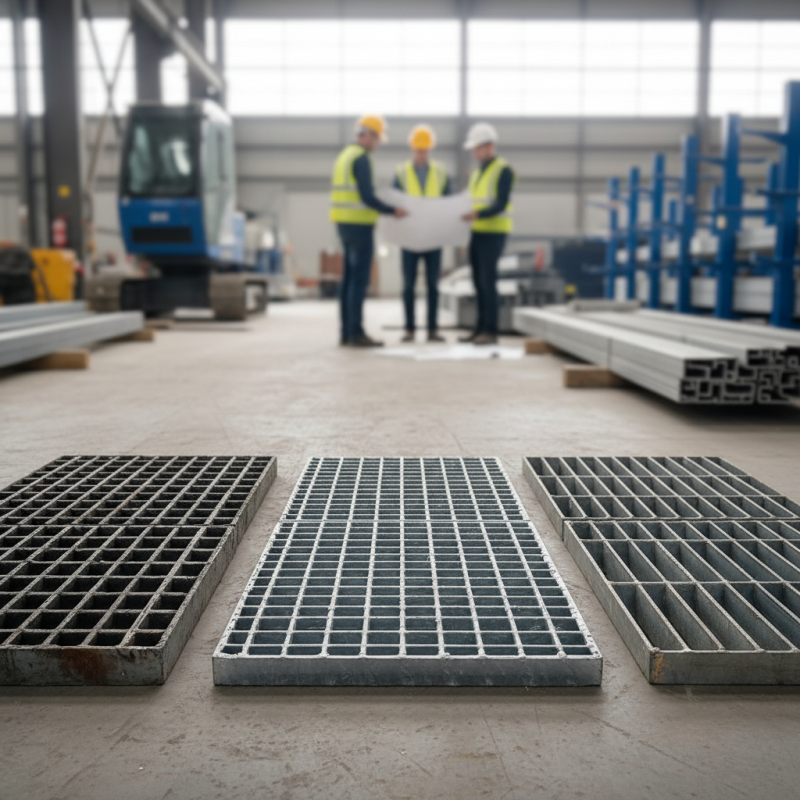
When selecting aluminum grating, understanding the types is crucial. Open grating features spaced bars that allow for effective drainage and ventilation. This makes it ideal for outdoor walkways and industrial applications. Its design promotes safety by reducing slip hazards in wet conditions.

On the other hand, closed grating has a solid top, providing a level surface. This type is better suited for environments needing a smooth finish. It prevents small items from falling through and is often used in commercial settings. However, one must consider potential pooling of water. Closed grating might require additional drainage plans.

Each type serves its purpose well. Open grating is great for heavy foot traffic, while closed grating excels in areas with delicate equipment. However, choosing the right type can be overwhelming. Take time to assess project needs and site conditions before making a final decision.

How to Choose the Right Aluminum Grating for Your Project? - Understanding the Types of Aluminum Grating: Open vs. Closed Grating

Type of Aluminum Grating Description Applications Load Capacity Weight
Open Grating Features open spaces between the bars, allowing for drainage and airflow. Walkways, catwalks, and flooring in areas with high water drainage. Moderate to high, depending on design. Lightweight and easy to install.
Closed Grating Solid surface without open spaces, providing a flat walking surface. Industrial floors, platforms, and areas requiring a more level surface. High, suitable for heavy machinery and foot traffic. Heavier than open grating but provides better support.
Composite Grating Combination of metal and plastic, offering durability and corrosion resistance. Coastal areas, chemical plants, and environments with high corrosion rates. Varies based on design; generally high. Variable depending on materials used.

Factors Influencing Load-Bearing Capacity in Aluminum Grating Selection

When selecting aluminum grating, understanding load-bearing capacity is crucial. This capacity depends on various factors. Load distribution is one of the most significant elements. If the load is focused on a small area, the grating may fail. A study by the Aluminum Association indicates that properly distributed loads can increase the safe load capacity by up to 40%.

Another key factor is the thickness of the aluminum bars. Thicker bars generally provide better strength and durability. However, using thicker bars can increase the weight of the grating. Balancing strength and weight is essential. A report by the National Association of Architectural Metal Manufacturers states that grating with a thickness of 1 inch can support significantly more weight than those with thinner profiles.

The spacing of the bars also affects load capacity. Closer spacing typically results in higher load-bearing strength. Yet, this can come at the cost of higher material use and potentially higher costs. Some projects might compromise on spacing to save money. Finding the right balance can be challenging, but it is vital for safety and functionality.

Assessing Corrosion Resistance Ratings for Aluminum Gratings in Various Environments

How to Choose the Right Aluminum Grating for Your Project?

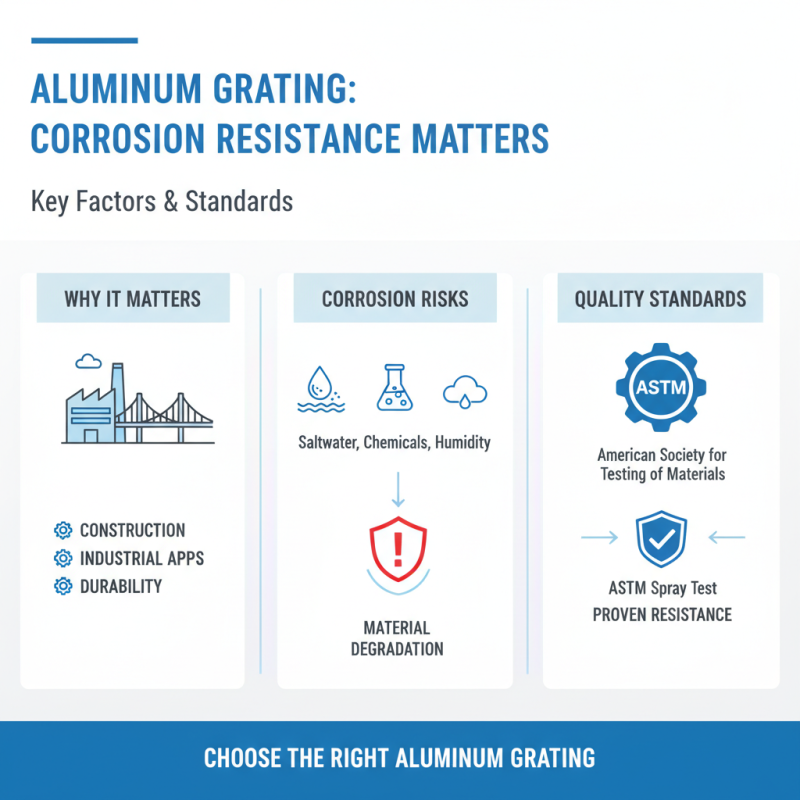
In construction and industrial applications, the right aluminum grating matters significantly. Corrosion resistance is a key factor to consider. Various environments expose materials to different risks, such as saltwater, chemicals, and humidity. The American Society for Testing and Materials (ASTM) provides crucial guidelines. For instance, aluminum grating often meets ASTM B117 standards for salt spray testing.

When assessing corrosion resistance, it’s vital to look at specific alloys. Alloys like 6061 and 5052 exhibit enhanced resistance to oxidation and corrosion. A recent industry report indicates that 6061 alloy typically shows a 50% better performance in harsh marine environments. However, users should consider local environmental factors. For instance, high humidity and industrial pollutants can significantly impact longevity.

Moreover, surface treatments can further enhance aluminum's resistance. Anodizing creates a protective layer that can increase lifespan dramatically. Yet, this process is not foolproof. Improperly applied treatments can lead to premature failures. The delicate balance between cost and performance necessitates careful planning and assessment. Understanding these nuances ensures that your choice of aluminum grating stands the test of time in its specific environment.

Evaluating Cost-Effectiveness and Longevity of Different Aluminum Grates

When selecting aluminum grating for construction, understanding cost-effectiveness and longevity is essential. A recent industry report indicates that aluminum grates can last up to 30 years with proper maintenance. However, initial costs vary widely. Lightweight options may appear cheaper but often require frequent replacement. This creates long-term costs that negate initial savings.

It’s crucial to consider life-cycle costs. For instance, heavy-duty aluminum grates might be pricier upfront but can end up being more economical over time. Data suggests that well-maintained grates save up to 15% in replacement costs compared to lighter alternatives. Yet, some projects overlook these factors, leading to regret later.

Evaluate your project needs carefully. Consider the environmental conditions, such as exposure to chemicals or extreme temperatures. These can significantly impact the durability of different aluminum options. Not every design suits every application. Recognizing the specific requirements can prevent costly mistakes and enhance project longevity.

Cost-Effectiveness and Longevity of Different Aluminum Grates

Installation Considerations: Safety and Compliance Standards for Grating Projects

How to Choose the Right Aluminum Grating for Your Project?

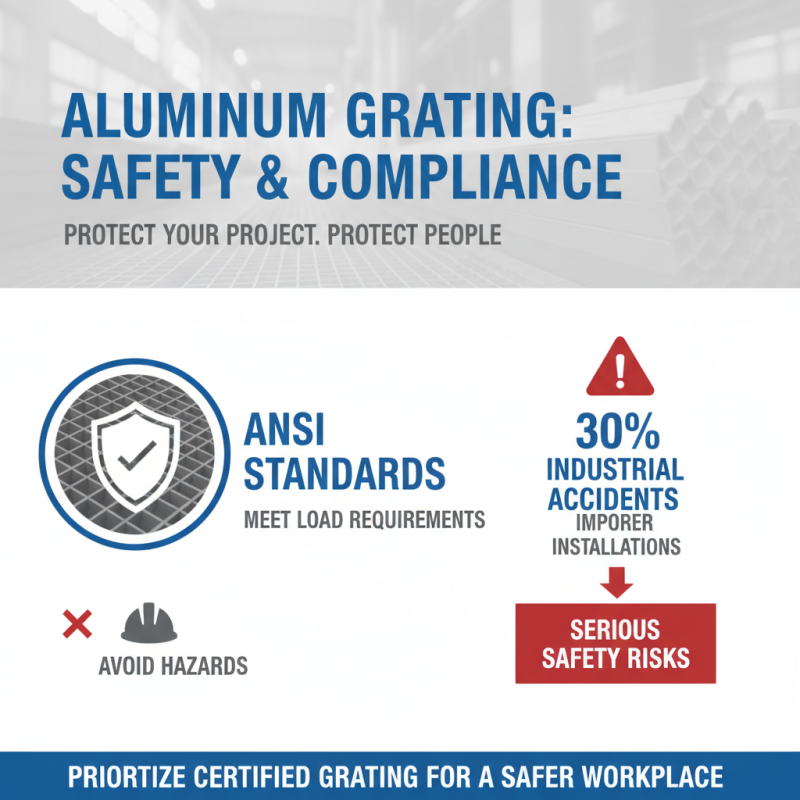
When selecting aluminum grating for your project, safety and compliance should be at the forefront of your considerations. According to the American National Standards Institute (ANSI), standard grating must meet specific load requirements. Missing these guidelines can lead to serious safety hazards. Reports indicate that 30% of industrial accidents stem from improper installations.

Tip: Always verify that the grating conforms to local regulations. Consult with your local code enforcement office to ensure compliance.

Installation practices also play a critical role. Proper fastening techniques can avoid slippage or structural failure. According to a study by the National Institute for Occupational Safety and Health (NIOSH), incidents related to misaligned grating installations increased by 25% over the past five years. Grating should be installed with appropriate supports and spacings.

Tip: Regular inspections are essential. Schedule them frequently to ensure safety standards are maintained.

Ultimately, it's crucial to reflect on your installation methods. Many projects overlook the importance of detailed planning and adherence to safety regulations. Evaluate your installation checklist and look for gaps that could lead to non-compliance. A thoughtful approach can significantly improve safety outcomes.

Skip to content