How to Choose the Best Electrical Outlet for Your Needs?
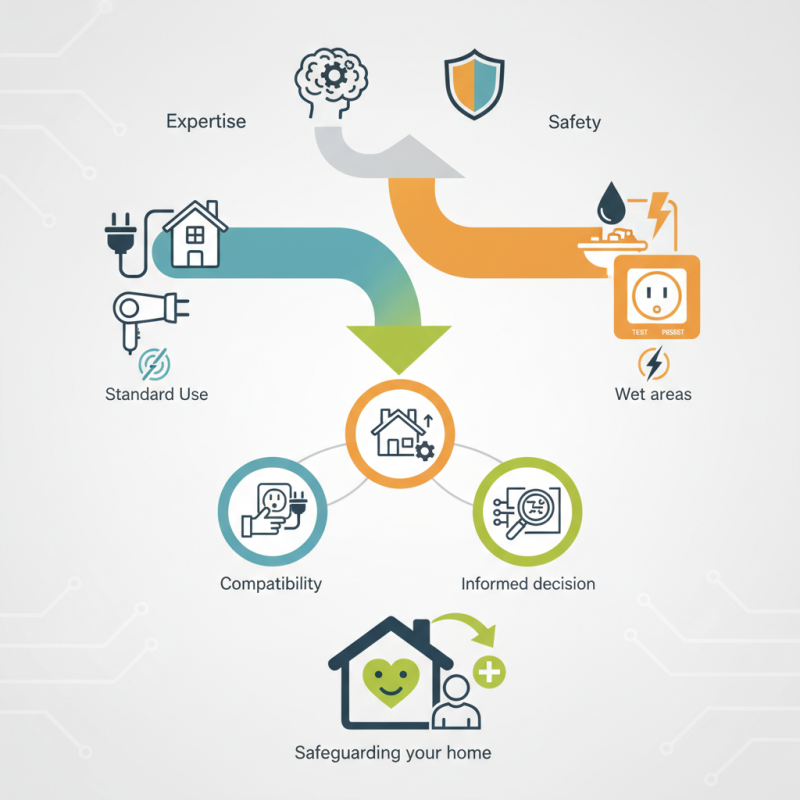
When it comes to choosing the right Electrical Outlet, expertise matters. According to Mark Bennett, a renowned electrical engineer, "Selecting the right outlet can make all the difference in safety and convenience." This advice highlights the importance of understanding your specific needs.
Electrical outlets are not one-size-fits-all. They vary widely in function and capacity. Knowing the types available is crucial. For example, standard outlets are suitable for everyday devices. On the other hand, GFCI outlets are necessary in wet areas. These considerations ensure protection against electrical shock.
Many people overlook critical details in this choice. Compatibility with your devices is essential. Your home's age may also affect outlet types. An outdated system may require upgrades. Reflecting on these factors can prevent future issues. Ultimately, making an informed decision on electrical outlets can safeguard your home and enhance your lifestyle.
Understanding Different Types of Electrical Outlets Available in the Market
Choosing the right electrical outlet can be crucial for safety and efficiency. Different types serve various purposes. Standard outlets are common in homes. However, ground fault circuit interrupters (GFCI) are essential in wet areas. These prevent electrical shocks, especially in kitchens and bathrooms.
Consider the plugs you use daily. Some devices require additional power. For such needs, a 20-amp outlet may be necessary. These outlets can handle heavier loads. Remember that older homes might lack the capacity for modern needs. Upgrading to the right outlet can improve safety and performance.
Tip: Always check the rating of your devices before selecting an outlet. Overloading can lead to hazards. Consider hiring a professional electrician for installation. An expert can ensure that your outlets comply with local codes. This ensures not just reliability but also your safety.
Identifying Your Power Needs and Usage Requirements
Identifying power needs and usage requirements is crucial when selecting an electrical outlet. Each device has specific energy demands. For instance, a standard household outlet typically supports up to 15 amps, suitable for most appliances. However, high-draw items like power tools or HVAC systems may require dedicated circuits with higher amperage, reaching up to 30 amps or more. According to the National Electrical Manufacturers Association, proper outlet selection can enhance energy efficiency, potentially reducing electricity costs by up to 20%.
Usage patterns also greatly influence outlet choice. If multiple devices run simultaneously, it's essential to calculate total wattage. For example, a computer and a printer together can consume around 500 watts. Without proper outlet assessment, you may risk overloading circuits. A study from the Electrical Safety Foundation International found that overloaded outlets cause more than 6,000 residential fires annually. Therefore, understanding your power requirements is not merely about convenience; it significantly impacts safety and efficiency.
Reflecting on past experiences with outlet failures may highlight gaps in understanding. Many consumers rely on standard outlets without assessing their specific needs. This oversight can spell trouble, especially in home offices or kitchens where device usage peaks. It’s wise to revisit your power needs periodically. This ensures safe operation while catering to technological advancements and energy efficiency goals.
Evaluating the Safety Features of Electrical Outlets
When choosing an electrical outlet, safety features are paramount. Outlets may seem simple, but they can pose risks if not properly selected. Look for outlets with built-in surge protection to guard against voltage spikes. These features can prevent damage to your devices and protect your home.
Consider tamper-resistant outlets. They are designed to prevent foreign objects from being inserted. This is especially important in homes with young children. While these outlets offer enhanced safety, they can be more challenging to install. Reflect on your ability to handle installation or consult a professional.
Don't overlook GFCI (Ground Fault Circuit Interrupter) outlets. These are crucial in areas near water, like kitchens and bathrooms. They cut off power when they sense a ground fault. This simple feature can save lives. Remember, safety isn't just about your immediate needs; it's about long-term protection for everyone in your home.
Choosing Between Standard and Specialty Outlets for Specific Devices
When selecting electrical outlets, understanding the difference between standard and specialty outlets becomes crucial. Standard outlets typically serve everyday devices, like lamps and chargers. They're designed for 120 volts and can support a wide range of appliances. However, certain devices may require more specialized outlets. For example, heavy machinery or high-wattage appliances often need a 240-volt outlet.
Specialty outlets cater to unique requirements. They include GFCI outlets, designed for wet areas, such as bathrooms and kitchens. These outlets reduce the risk of electric shock. According to the National Electric Code (NEC), GFCI outlets are now required in most residential bathrooms and kitchens. Another example is the USB outlet, which provides direct charging for devices. With a growing trend towards smart home technology, outlets with built-in surge protection and USB ports are increasingly popular.
Consider the power demands of your devices before selecting an outlet. Overloading a standard outlet can lead to hazards. Interestingly, the Electrical Safety Foundation International reported that over 51,500 home electrical fires occur each year. This emphasizes the importance of making informed choices about the type of outlets you install. Many homeowners overlook these details, leading to potentially dangerous situations. Balancing convenience and safety is essential in your decision-making process.
Choosing Between Standard and Specialty Electrical Outlets
Considering Installation and Maintenance Factors for Electrical Outlets
When selecting the best electrical outlet, installation and maintenance are key considerations. The right outlet ensures safety and efficiency. Poor choices can lead to frequent repairs or dangerous situations. Take time to analyze the electrical load requirements. Know your devices. This will help you decide on the type of outlet you need.
Tip: Use GFCI outlets in wet areas. They reduce the risk of electrical shock. Install them in bathrooms or kitchens. Ensure proper grounding to enhance safety further.
Think about long-term maintenance. Regularly inspect outlets for signs of wear. Look for discoloration or a burning smell. These could indicate serious issues. Remember to replace any damaged outlet promptly. Keeping them in good condition can prevent electrical fires.
Tip: Keep outlet covers on when not in use. This helps to protect children and pets. It also reduces dust buildup, which could affect outlet performance.