How to Choose the Right DC Isolation Switch for Your Needs?
Choosing the right DC Isolation Switch for your needs is crucial for ensuring safety and optimal performance. A DC Isolation Switch is essential in various applications, from renewable energy systems to industrial settings. These switches help isolate circuits, preventing potential hazards during maintenance or emergencies.
When selecting a DC Isolation Switch, consider factors like voltage rating, current capacity, and environmental conditions. Proper sizing ensures reliability and longevity. Additionally, explore different types of switches, such as manual or automatic options, based on your specific needs. Reflect on how your choice impacts system safety and efficiency.
Remember, making an informed decision is important. Evaluate product quality and consult manufacturer recommendations. Don’t overlook installation requirements and maintenance practices. Each of these details matters in your selection process, as they can influence overall performance.
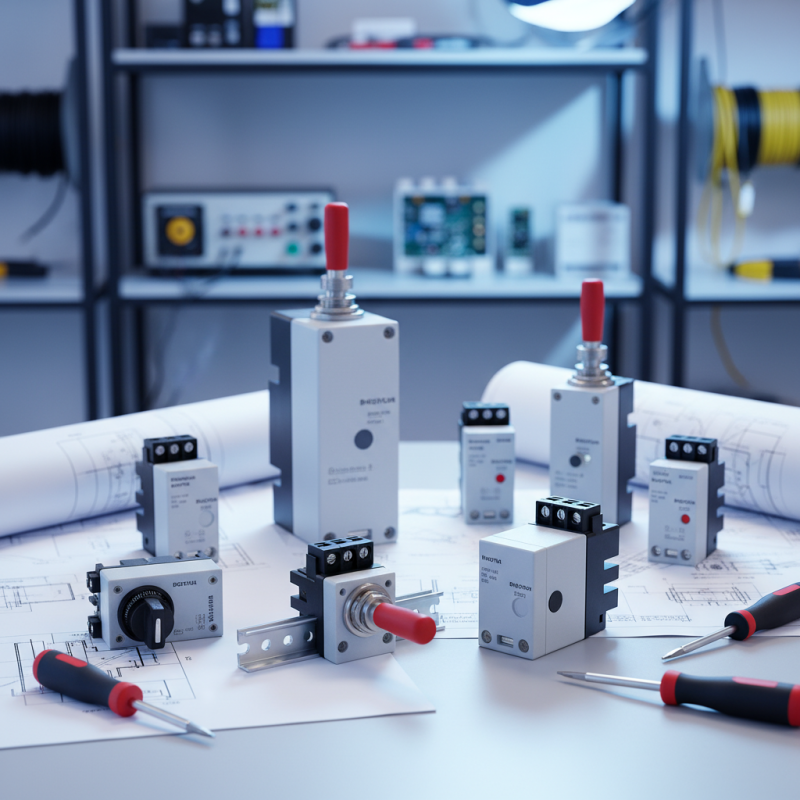
Understanding DC Isolation Switches and Their Importance
DC isolation switches play a crucial role in solar and electrical systems. They ensure safe maintenance by disconnecting power. This is vital for both technicians and equipment. Without them, risks increase during repairs. Understanding their function is essential for every electrical setup.
When choosing a DC isolation switch, consider voltage ratings and current capacity. Think about the environment too. Some areas may require weatherproof designs. Choose switches that can withstand conditions like extreme heat or moisture. These factors can affect your switch's lifespan. A poorly chosen switch can lead to failure. It’s important to reflect on your specific needs.
Installation can sometimes be tricky. Ensure that the switch is easily accessible. Complexity can discourage users from engaging with the system properly. Consider the layout of your setup. Also, remember that not all switches are created equal. Quality matters significantly. Take the time to research and evaluate options. Rushing may lead you to overlook a critical detail.
Key Factors to Consider When Choosing a DC Isolation Switch
When selecting a DC isolation switch, several key factors demand your attention. The switch's voltage and current ratings are crucial. Make sure they meet or exceed your system's requirements. Underestimating these specifications can lead to failures and unsafe conditions. Consider the environment where the switch will be installed. Extreme temperatures or dusty conditions can affect its performance. Ensure the switch can handle such challenges for reliable operation.
Another vital aspect is the switch's physical size and mounting options. It should fit your available space and allow for easy installation. If the size is wrong, it could complicate your setup. Don’t overlook the ease of operation. A switch that is difficult to toggle can lead to accidents or delays during maintenance. Having a clearly labeled switch enhances safety and efficiency. Some designs may be easier to operate than others, so testing them beforehand is wise.
Lastly, evaluate the long-term reliability and maintenance needs. Some switches require more upkeep than others. If you're consistently working with high voltages, a more durable switch is beneficial. This choice can influence how often you need to replace the equipment. Make decisions based on real-life applications, not just theoretical data. Reflect on past experiences to guide your selection process.
Different Types of DC Isolation Switches Available in the Market
When selecting a DC isolation switch, understanding the types available is crucial. The market showcases several options, each designed for specific applications. For instance, the manual DC isolation switch is simple and effective for smaller systems. It allows for quick disconnection and is often used in residential solar applications. Data from industry reports suggests a growth in such manual switches, emphasizing their reliability.
On the other hand, automatic DC isolation switches are gaining traction, especially in larger setups. These are often integrated with monitoring systems, allowing for real-time adjustments. A recent analysis revealed that automatic switches could reduce operational downtime by up to 25%. However, they tend to be more complex, which can lead to maintenance challenges.
Another noteworthy type is the fused DC isolation switch. This design offers added protection by combining isolation and overcurrent protection. It's particularly effective in preventing damage from electrical faults. Some reports estimate that systems using fused switches can exhibit a 15% longer lifespan than those without. Each type has its pros and cons, making the choice highly dependent on specific needs and applications.
Evaluating Performance and Safety Features of Isolation Switches
When selecting a DC isolation switch, evaluating performance and safety features is crucial. The switch's voltage rating must align with your system requirements. It's important to consider the operational current as well. These factors directly affect the switch's efficiency and reliability.
Safety features should never be overlooked. Look for designs that include arc suppression capabilities. This feature helps reduce the risks of electrical fires. Additionally, a clear indication of the switch's status can prevent accidental contact. Consider thermal management too; switches need to operate under various temperature conditions safely.
Don't ignore installation and maintenance aspects. Some switches may require expert installation. Regular checks are essential for ensuring optimal performance. Over time, wear and tear can lead to decreased functionality. Users should assess their specific environments to choose switches that can withstand potential hazards.
Installation and Maintenance Tips for DC Isolation Switches
When it comes to DC isolation switches, installation and maintenance are crucial. Proper installation ensures safety and compliance with industry standards. According to the International Electrotechnical Commission (IEC), incorrect installation can lead to operational failures in up to 25% of cases. Ensuring that switches are positioned correctly and securely mounted prevents potential accidents.
Regular maintenance is equally important. The National Fire Protection Association (NFPA) reports that improper maintenance can increase failure rates significantly. Routine inspections should include checking for corrosion, ensuring proper cleaning of contacts, and testing functionality. Even a minor oversight can result in significant downtime or even equipment damage. It's advisable to schedule maintenance checks at least twice a year.
Incorporating best practices can reduce risks. Keep the surrounding area clean and dry. Store extra parts in a climate-controlled environment to avoid deterioration. Some users overlook these details, thinking it's unnecessary. This mindset can lead to avoidable complications. Understanding the specifics of DC isolation switches can greatly enhance their reliability and lifespan. Regular attention to installation and maintenance can make a significant difference in long-term performance.