
Cart

How to Choose the Right Power Tiller Parts?

Choosing the right Power Tiller Parts is essential for safe operation, steady performance, and longer machine life. A power tiller works through constant contact with soil, stones, moisture, and vibration. Even a small mismatch can cause uneven cultivation, excessive noise, or early component failure. The correct choice begins with understanding the machine, not simply finding the lowest price.

In practice, experienced operators check the tiller’s brand, model, engine output, mounting design, and working width. They also compare shaft sizes, bolt spacing, blade shape, material thickness, and rotation direction. A replacement blade may look suitable on a sales page, yet fail during the first hard pass. Measurements matter. Manufacturer manuals, technical drawings, and reliable supplier specifications provide stronger evidence than photographs alone. Certifications and warranty terms can also reveal a supplier’s commitment to quality.

Real field conditions deserve attention. Wet clay demands different durability from dry, loose soil. Frequent transport may require stronger wheels, bearings, and protective covers. Maintenance history is useful, but it can be incomplete. That limitation should not be ignored. When uncertain, consult an authorized dealer or qualified technician before ordering. A careful comparison may take several minutes, but it can prevent costly downtime and unsafe repairs. This guide explains how to evaluate Power Tiller Parts with practical judgment, technical accuracy, and respect for long-term reliability. Perfect choices are rare. Better decisions come from verified details.
How to Choose the Right Power Tiller Parts?

Understanding Power Tiller Parts and Their Functions

How to Choose the Right Power Tiller Parts?

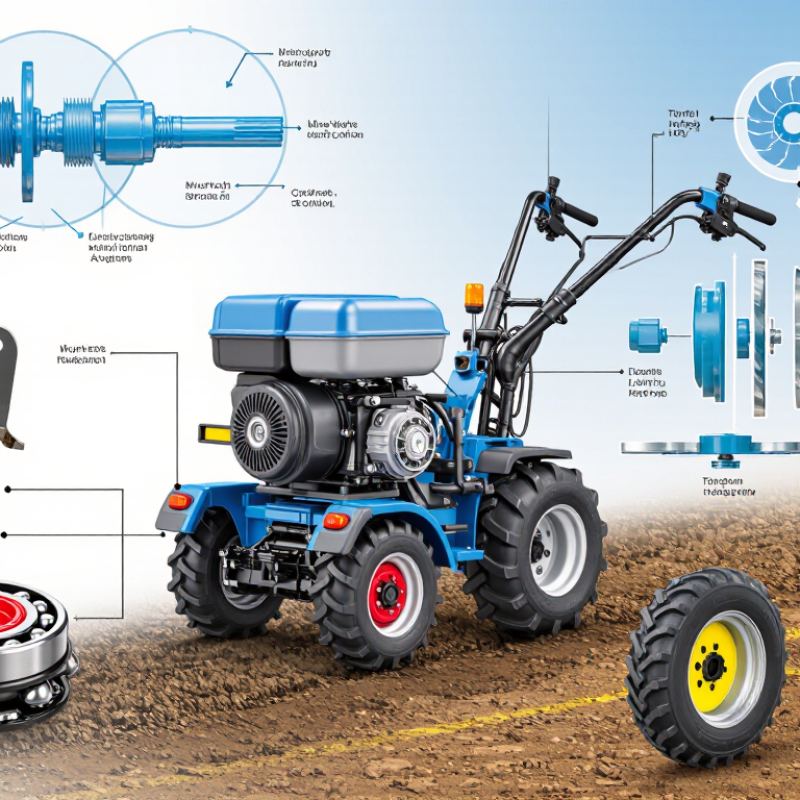
Understanding each power tiller part makes replacement decisions safer and more accurate. The engine supplies power, while the transmission transfers it to the wheels or blades. Tines break and loosen soil. Wheels control movement and working depth. The clutch connects or disconnects power, allowing smoother starts and safer turns. Handles, cables, and guards support control during operation.

Fit matters.

Before ordering a part, check the tiller’s model, production year, shaft size, hole spacing, and connection style. A similar-looking tine may still cut poorly or create dangerous vibration. Measure twice. Compare the damaged part with the equipment manual and a clear product drawing. For belts and cables, correct length and tension are especially important. Too much slack reduces performance. Excessive tension can damage bearings.

From field maintenance experience, cleaning dirt before inspection reveals cracks, worn edges, and loose fasteners. I once replaced a blade without checking the mounting bolts; the new part worked, but the old hardware remained unsafe. That mistake was avoidable. Use durable materials suited to soil conditions, and select parts tested for the machine’s operating load. A qualified technician can confirm uncertain measurements. Keep service records, including installation dates and unusual noises. Small notes often expose recurring problems before a major failure occurs.

Identifying the Correct Part for Your Power Tiller Model

Choosing the right power tiller part begins with identifying the exact machine model. Check the metal identification plate near the engine frame or handle assembly. Record the model number, production year, and serial number before ordering anything.

Do not rely on appearance alone. Two parts may look identical but use different shaft diameters, tooth counts, bolt spacing, or rotation directions. Compare the damaged component with the supplier’s technical drawing. Measure key areas with a caliper, especially the inner diameter and mounting holes. Your owner’s manual can confirm compatible part numbers, but older manuals sometimes contain unclear information. I once trusted a similar-looking belt and overlooked its width. It fitted briefly, then slipped under heavy soil. That mistake was avoidable.

Tips: Photograph the part beside a ruler. Write down every measurement. Check the model number twice. Ask for a dimension sheet when specifications seem incomplete. A reliable supplier should explain compatibility clearly, not simply promise that a part “should fit.” Inspect the replacement after delivery. Compare its material, edges, and mounting points before installation. If the part feels loose or requires force, stop and reassess. For safety and dependable performance, follow the equipment manual and use proper tools.

How to Choose the Right Power Tiller Parts?

Identifying the Correct Part for Your Power Tiller Model

The chart shows the number of specification fields that should normally be checked before ordering common power tiller replacement parts. Always compare the machine model, engine code, original part number, dimensions, mounting shape, and operating position where applicable.

More verification points are needed for parts whose fit depends on several physical measurements, such as drive belts, rotary blades, and wheels. Do not rely on appearance alone.

Evaluating Part Compatibility, Quality, and Durability

How to Choose the Right Power Tiller Parts?

Choosing the right power tiller part begins with compatibility, not price. Check the model number, shaft size, mounting holes, belt profile, and operating direction. A part can look identical yet fail after one field session. Measure the original component with a caliper, then compare those dimensions with the supplier’s technical sheet. Confirm engine output and working width as well. Small differences matter.

Quality depends on material, machining, heat treatment, and inspection. For gears, hardened steel and accurate tooth geometry reduce noise and uneven wear. For belts, reinforced rubber should resist heat, oil, and repeated bending. Bearings need clean seals and smooth rotation without side play. Ask for load ratings, material specifications, and test records when available. Clear documentation is more reliable than polished product photos. In my workshop experience, inexpensive parts often cost more when removal labor is included.

Durability also depends on soil conditions and maintenance routines. Rocky ground stresses blades, shafts, and gearboxes far more than soft, prepared beds. Match the part to actual working conditions, not only advertised dimensions. Inspect fasteners, lubrication points, and protective covers after installation. One overlooked washer can create damaging vibration. I once treated a “universal” fit as good enough. It was not. Recheck alignment after the first few operating hours, because early wear can reveal a compatibility problem before major damage occurs.

Comparing Genuine, Compatible, and Used Replacement Parts

How to Choose the Right Power Tiller Parts?

Choosing between genuine, compatible, and used power tiller parts requires more than comparing prices. Genuine parts usually match the machine’s dimensions, material grade, and tolerance. They are the safer choice for gear assemblies, clutch components, and engine seals. However, their higher cost can strain a small farm budget. The 2022 U.S. Census of Agriculture recorded 1,900,487 farms, showing how widely equipment decisions vary by operation size.

Compatible parts can work well when specifications are verified carefully. Check shaft diameter, keyway size, mounting holes, belt profile, and operating temperature. A part that looks identical may still fail under heavy soil resistance. Industry maintenance reports often identify incorrect fitment as a major source of repeat repairs. That detail is easy to underestimate. Ask for material data, dimensional drawings, and testing information before ordering.

Used parts are practical for older tillers with limited support. Inspect them under bright light. Look for pitting, worn splines, cracked housings, and oil discoloration. The U.S. Bureau of Labor Statistics continues to classify agricultural equipment repair as skilled mechanical work, reinforcing the value of qualified inspection. A used gearbox may seem economical, but hidden wear can double downtime. I have found that the cheapest part is not always the lowest-cost decision. Compatibility should be proven, not assumed.

How to Choose the Right Power Tiller Parts? - Comparing Genuine, Compatible, and Used Replacement Parts

Comparison Criteria Genuine Replacement Parts Compatible Replacement Parts Used Replacement Parts
Fit and compatibility Designed for a specified power tiller model and part number; normally the lowest fitment risk. Made to match listed dimensions, mounting points, and operating specifications; model verification is essential. Fit depends on the donor machine, wear, modifications, and the accuracy of the seller’s identification.
Typical examples Engine components, transmission gears, clutch assemblies, control cables, seals, and manufacturer-specified blades. Belts, bearings, filters, cables, seals, wheels, blades, and other parts made to published dimensions. Gearboxes, shafts, wheels, pulleys, covers, frames, and other recoverable assemblies.
Material and manufacturing consistency Usually consistent with the equipment maker’s specified material, heat treatment, and production tolerances. Varies by manufacturer; confirm material grade, hardness, dimensions, and applicable specifications where relevant. Existing condition varies; inspect for cracks, corrosion, distortion, fatigue, and previous repairs.
Condition when purchased New. Usually new, although the seller’s condition statement should be checked. Previously used; condition should be supported by photographs, measurements, or an inspection report.
Indicative purchase cost Highest initial cost; use as the reference value of 100% for comparison. Often about 50%–80% of a comparable genuine part, depending on specification and supplier. Often about 20%–50% of a new genuine part, excluding inspection, refurbishment, and shipping costs.
Expected service-life certainty Generally the most predictable when installed and operated according to the equipment specifications. Can be comparable when dimensions, material, load rating, and manufacturing quality meet the required specification. Least predictable because remaining life depends on prior use, maintenance, storage, and wear.
Warranty and return support Often has the clearest warranty and return process, subject to seller terms and installation requirements. Warranty length and coverage vary considerably; check exclusions for incorrect fitment or installation. May have limited or no warranty; confirm the return period and whether testing is permitted.
Availability Good for current and commonly supported models; older parts may require special ordering. Usually widely available for common wear items and standard dimensions. Useful for discontinued equipment, but supply and condition are inconsistent.
Installation risk Low, provided the correct model and part number are confirmed. Medium; compare dimensions, thread type, electrical connections, belt size, and load rating before purchase. High unless the part is measured and inspected before installation.
Best use case Safety-critical, high-load, precision-fit, or difficult-to-access components. Routine maintenance parts where specifications can be verified and cost control is important. Budget repairs, discontinued models, or non-critical components with sufficient inspection time.
Main selection rule Choose when reliability, fit certainty, and support are more important than the lowest purchase price. Choose when the part’s dimensions, materials, performance rating, and return terms are clearly documented. Choose only after checking wear, structural integrity, measurements, and the total cost of possible refurbishment.

Note: Price ranges are indicative market comparisons rather than fixed prices. Always verify the power tiller model, engine or transmission version, part number, dimensions, operating load, and safety requirements before ordering.

Checking Specifications, Installation Needs, and Supplier Reliability

How to Choose the Right Power Tiller Parts?

Checking specifications should begin with the machine’s manual and the damaged part. Confirm the model, shaft diameter, tooth count, mounting holes, and material grade. A compatible part must also match the tiller’s working load. Measure twice. Guessing can damage nearby components.

Installation needs deserve equal attention. Check whether special tools, seals, spacers, or adjustment steps are required. A blade may appear correct but sit several millimeters out of alignment. That small gap can cause vibration in the handle. I once replaced a worn belt without checking pulley alignment, and the new belt failed early. That mistake changed how I inspect repairs.

Supplier reliability is easier to judge through evidence. Look for clear technical drawings, batch information, inspection records, and written warranty terms. Ask how replacement parts are tested before shipment. A dependable supplier should answer specific questions about dimensions and installation, not provide vague promises. Read customer feedback carefully, especially comments about fit and delivery accuracy. Clear communication matters. Keep photos of the original part and measure it before ordering. This simple record can expose an incorrect listing before money and repair time are lost.

Skip to content