How to Choose the Right Weld Mesh for Your Project?
Choosing the right weld mesh is crucial for the success of your project. According to industry expert John Smiley, "The right weld mesh can make or break your structural integrity." His years of experience highlight the importance of selecting appropriate materials.
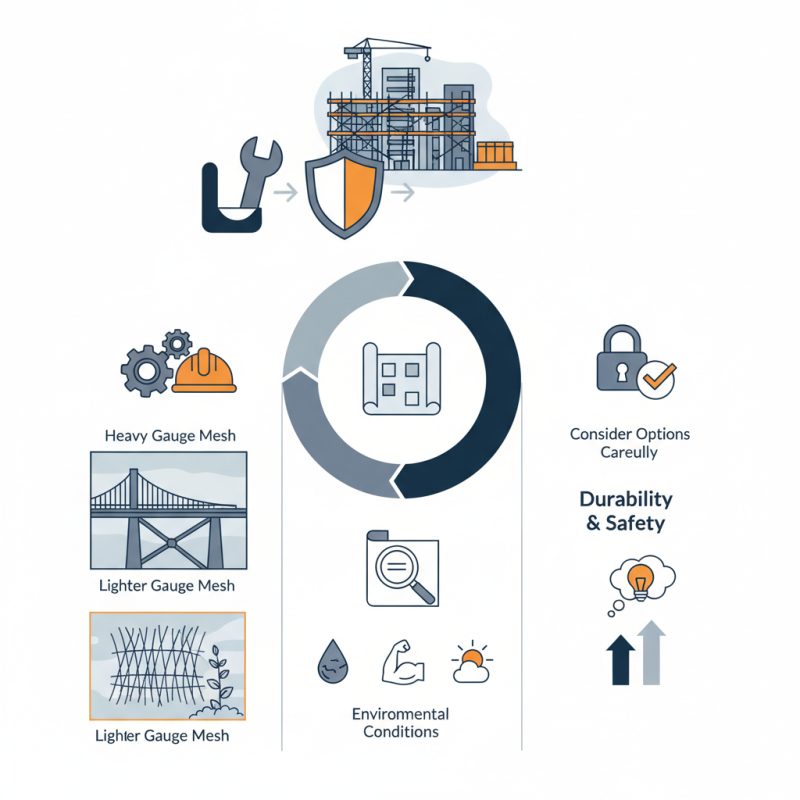
Weld mesh comes in various configurations, sizes, and materials. Each type serves a different purpose. Understanding these nuances is essential. For example, a heavier gauge mesh is better for structural support, while a lighter mesh is suitable for decorative applications.
Ignoring the specific needs of your project can lead to costly mistakes. It's not just about cost—quality matters too. Reflect on the environmental conditions your weld mesh will face. Rain, corrosion, and stress can all affect performance. Remember, the right choice in weld mesh can enhance durability and safety. Consider your options carefully.
Understanding Weld Mesh: Types and Applications
Weld mesh is a versatile material with numerous applications. Understanding its types can help you make the right choice. Generally, there are two popular types: welded wire mesh and welded mesh panels. Each serves different purposes. Welded wire mesh is often used in construction and fencing. Its strength and durability make it ideal for reinforcing concrete. This type comes in various thicknesses and mesh sizes.
Welded mesh panels, on the other hand, are typically utilized for security purposes. They can be found in industrial settings, factories, and farms. The panels come in different sizes, which can be confusing. Some may opt for smaller openings for added security, while others prefer larger openings for visibility. Cost efficiency may lead some to choose lower-quality mesh, which can rust over time. This decision often leads to more frequent replacements and can be a regrettable choice later.
When selecting weld mesh, consider your project needs carefully. Look for the right gauge and spacing for strength and durability. Always weigh immediate benefits against long-term value. Such careful consideration might save you from future challenges. Choosing the right type can significantly impact your project’s outcome.
Key Factors to Consider When Selecting Weld Mesh
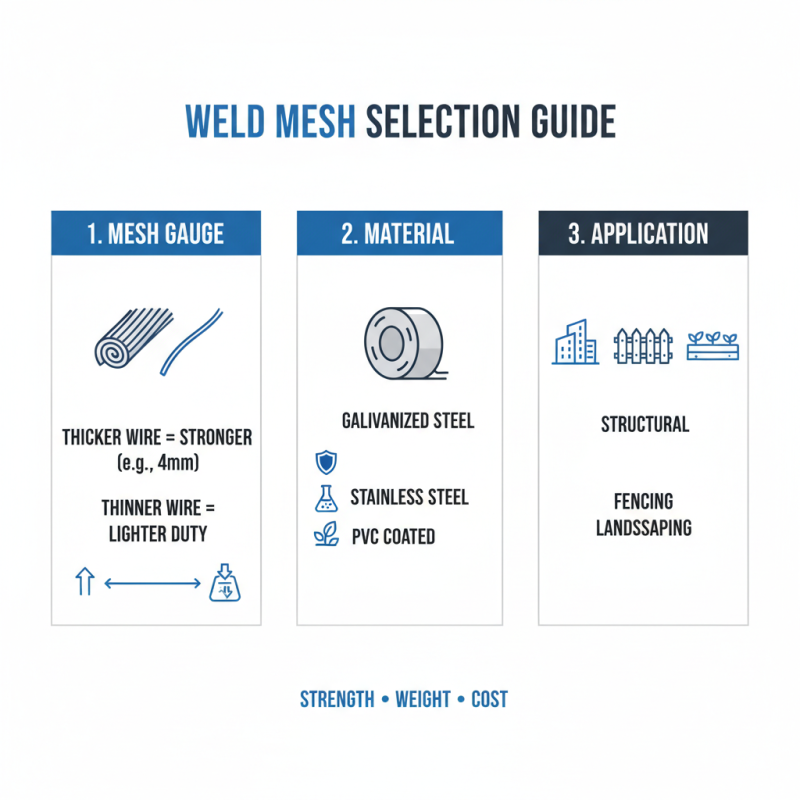
When selecting weld mesh for a project, several key factors come into play. The mesh gauge is crucial. Thicker mesh offers better strength and durability. In many applications, a 4 mm diameter wire is recommended for structural integrity. However, thinner options may suffice for lighter tasks. It’s essential to balance strength with weight and cost.
Another vital consideration is the weld spacing. Standard spacing typically ranges from 50 mm to 150 mm. Closer spacing can enhance load capacity but may increase the cost. Industry reports suggest that projects requiring high tensile strength should opt for tighter spacing. Additionally, consider the environment where the mesh will be used. For outdoor projects, corrosion-resistant coatings are necessary. Without proper protection, the mesh can degrade, compromising safety and longevity.
Lastly, always evaluate your specific project needs. The right choice is not always the most expensive or the one with the highest strength. Sometimes, a lower grade mesh performs adequately. Reflect on the expected load, stress, and longevity before making a decision. This thoughtful approach ensures the right weld mesh selection, aligning closely with project goals.
Analyzing the Strength and Durability of Weld Mesh
When choosing weld mesh, strength and durability are key factors. The type of material used in the mesh dramatically affects its performance. Steel is common due to its resilience. Stainless steel offers higher corrosion resistance. These differences can impact long-term use.
Installation conditions matter too. A weld mesh exposed to harsh environments may corrode faster. The spacing between wires influences strength. Tighter spacing can enhance stability, but might limit flexibility. In some applications, this trade-off is crucial.
Consider load requirements carefully. A mesh may handle specific weights but struggle under unexpected pressure. Regular inspections can reveal wear over time. Those checks are essential. Misjudgments in selection could result in costly failures. Choose wisely, but always be ready to adapt.
How to Choose the Right Weld Mesh for Your Project? - Analyzing the Strength and Durability of Weld Mesh
| Mesh Type |
Wire Diameter (mm) |
Mesh Opening Size (mm) |
Tensile Strength (MPa) |
Corrosion Resistance |
Typical Applications |
| Light Weld Mesh |
1.0 |
25x25 |
400 |
Low |
Garden Fencing, Decorative Structures |
| Medium Weld Mesh |
1.5 |
50x50 |
600 |
Medium |
Partition Fencing, Animal Enclosures |
| Heavy Weld Mesh |
2.0 |
75x75 |
800 |
High |
Construction, Industrial Applications |
| Galvanized Weld Mesh |
1.2 |
20x20 |
500 |
Very High |
Outdoor Fencing, Agricultural Uses |
Choosing the Right Wire Gauge for Your Project
Choosing the right wire gauge for your project can be tricky.
Wire gauges are crucial in determining the strength and durability of weld mesh. A thicker wire provides more strength, but it can also be heavier and harder to handle. This is a balancing act.
Consider the purpose of the weld mesh. For fencing, a lighter gauge may suffice. However, for industrial projects, a thicker gauge is essential. Look at the spacing between wires too. Smaller gaps can keep unwanted elements out, but might increase material costs. It’s important to assess what you truly need versus what you want.
Don’t overlook the environment. Exposure to weather can affect different wire gauges. Some may rust faster than others. Also, evaluate if the mesh will bear weight or if it's merely decorative. Reflect on these factors before making a choice. It’s easy to get it wrong. Sometimes, a project needs a bit of trial and error to discover the perfect fit. Think carefully and be aware of the trade-offs involved.
Cost Considerations and Sourcing Options for Weld Mesh
When considering weld mesh for a project, cost is key. Prices can vary widely based on material, size, and manufacturer. Stainless steel mesh is durable but often pricier than galvanized options. It’s important to balance quality and affordability. Think about how often the mesh will be exposed to elements. This can significantly affect long-term costs.
Sourcing options range from local suppliers to online retailers. Local stores allow you to see the product before buying. However, online options often provide more variety and lower prices. Look for bulk purchasing options if your project requires a large amount. This can lead to discounts and better deals. Explore reviews to gauge reliability. It could save you headaches later on.
Finding the right weld mesh takes some reflection. Consider your specific needs and budget limitations. Think deeply about the project requirements. Sometimes, a more affordable option might not meet your expectations. It’s a balancing act between cost and suitability. Adjust your expectations accordingly and ensure the final choice aligns with your project's goals.
How to Choose the Right Weld Mesh for Your Project?