How to Design Your Own Personalized Shirt for Any Occasion
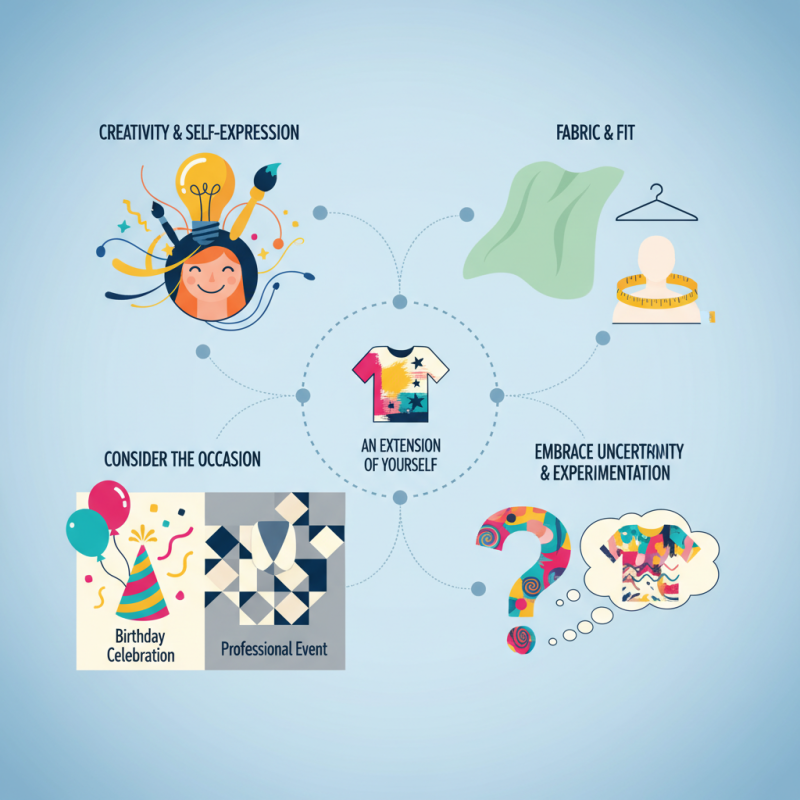
Designing your own Personalized Shirt can be a rewarding experience. It allows for creativity and self-expression. According to Emily Hart, a leading expert in custom apparel, "A personalized shirt tells a story about who you are." This shows the power of custom clothing.
When crafting a personalized shirt, consider the occasion. A birthday celebration might require bright colors and fun graphics. In contrast, a professional event calls for a more refined aesthetic. The choice of fabric and fit also matters. Comfort is key, and it should reflect your personal style.
However, the process can feel overwhelming. You may question color combinations or design choices. It’s essential to embrace this uncertainty. Experimentation often leads to unique results. Ultimately, a personalized shirt is more than just clothing; it's an extension of yourself. Each design decision adds depth to your narrative.
Understanding Fabric Types: Choosing the Right Material for Your Shirt
When designing your own personalized shirt, choosing the right fabric is crucial. The fabric affects not only the look but also the feel and longevity of your shirt. Common options include cotton, linen, polyester, and blends. Cotton is soft and breathable, making it ideal for casual wear. However, it may wrinkle easily and require more care.
Linen is lightweight and perfect for warm weather. It has a unique texture and drapes well. Yet, it tends to crease, which may not suit everyone's style.
Polyester is durable and resistant to wrinkles. It can also wick moisture, making it suitable for athletic wear. However, it may lack breathability, leading to discomfort in hot conditions.
Consider the occasion when selecting fabric. For formal events, a smooth, structured fabric like a cotton blend works best. For casual outings, breathable options like cotton or linen are preferable. Reflecting on your needs is essential. Think about the climate, the type of event, and even how the fabric feels against your skin. Ultimately, the choice of fabric can make or break your shirt.
Essential Design Elements: Colors, Patterns, and Graphics that Stand Out
Designing a personalized shirt can be an exciting venture. When focusing on colors, patterns, and graphics, understanding their effects is crucial. For instance, a study by Color Matters shows that color influences 85% of consumer decisions. This highlights the power of selecting the right shades for your shirt design.
A bold color can evoke energy. Patterns add personality. According to a report from The Graphic Artist Guild, graphic designs can increase shirt appeal by 60% when they resonate with the target audience. Choosing an eye-catching graphic is vital for standing out. Think about your audience's preferences.
Tips: Test color combinations on paper before finalizing your design. Simplicity often wins in graphic design. Sometimes, less is more. Create multiple drafts and seek feedback. Not every design will resonate. Reflection on trial and error leads to improvement. Your personalized shirt should tell a story while remaining visually appealing.
Personalized Shirt Design Elements Analysis
This chart represents the popularity of different design elements for personalized shirts based on survey data. The elements evaluated include Colors, Patterns, and Graphics, showcasing the percentage of preference among consumers.
Sizing and Fit: How to Measure for a Perfectly Tailored Shirt
Measuring for the perfect shirt involves more than just basic dimensions. Accurate sizing ensures comfort and style. According to a study by the American Society of Clothing Technologists, nearly 75% of people wear shirts that don’t fit properly. This can lead to discomfort and a less polished appearance. Knowing your measurements can drastically enhance your look and boost your confidence.
Start by measuring the neck circumference. Use a soft tape measure to determine this size. Then, proceed to the chest, waist, and sleeve lengths. The chest should be measured at the fullest part. The waist is typically around the navel. It's essential to stand naturally during these measurements to avoid discrepancies. Consider that fabric can behave differently. For instance, a cotton shirt may require a different fit compared to a stretch fabric. Adjustments based on the type of material are necessary yet often overlooked.
Additionally, many people mistakenly think they can wear off-the-rack sizes without adjustments. This misjudgment can lead to an ill-fitting shirt, even if the numbers seem right. Errors in measuring can happen, and sometimes people ignore the importance of a proper fitting. Taking time to measure accurately can prevent these frustrations. While it may seem tedious, ensuring your shirt fits can make a significant difference in your appearance.
Technology in Custom Shirts: Utilizing Online Design Tools and Software
Creating a personalized shirt has never been easier, thanks to advanced online design tools. Recent industry data shows that 70% of consumers prefer customized clothing over standard options. These online platforms allow users to express their unique style and preferences effortlessly. High-quality mockups and real-time previews enable quicker decision-making. Users can visualize their designs before making a purchase.
Customization tools often incorporate user-friendly software that simplifies the creative process. Many platforms offer drag-and-drop features, making it accessible for everyone, regardless of design experience. An exciting trend reveals that 45% of consumers enjoy engaging with digital design tools for apparel. This engagement fosters a deeper connection to the final product. However, users should remain conscious of design overload. Too many elements can detract from the overall vision.
Tips: Keep it simple. A clean design often resonates more with viewers. Balance colors and graphics for the best impact. Always double-check sizing charts before finalizing a design; it can be easy to overlook. While technology makes the process smooth, don’t ignore the basics of design principles. Consider the target audience to ensure the shirt meets expectations.
Printing Techniques Explained: Screen Printing vs. Direct-to-Garment Printing
When designing a personalized shirt, choosing the right printing technique is crucial. Two popular methods are screen printing and direct-to-garment (DTG) printing. Screen printing is ideal for larger orders. It uses a stencil to apply ink. This method provides vibrant colors and durability. However, it can be expensive for small batches. The setup process requires precision. Mistakes in alignment can ruin the entire design.
DTG printing, on the other hand, is more flexible. It allows for detailed designs and gradients. This method works like a printer and applies ink directly to the fabric. It’s perfect for small orders and one-off designs. However, the colors may not be as vivid as screen printing. The fabric also needs to be prepped properly. Failing to do so can affect the print quality.
Both techniques have pros and cons. Consider your design, budget, and quantity before deciding. The right choice enhances your shirt's appeal. Reflecting on these factors ensures a personalized product you can be proud of.
How to Design Your Own Personalized Shirt for Any Occasion - Printing Techniques Explained
| Printing Technique | Description | Best For | Cost | Durability |
| Screen Printing | A stencil-based printing technique that uses a mesh to transfer ink onto the fabric. | Larger quantities with simple designs. | $5 - $15 per shirt | High durability, lasts for years with proper care. |
| Direct-to-Garment (DTG) | Inkjet technology designed for textiles, applying ink directly onto the fabric using specialized printers. | Small quantities and complex designs. | $15 - $30 per shirt | Moderate durability, may fade after several washes. |
| Heat Transfer | Uses heat to transfer vinyl or printed designs onto fabric. | Custom designs for special occasions. | $10 - $25 per shirt | Good durability, but can peel over time. |
| Sublimation | Dye is transferred onto the fabric using heat, resulting in vibrant colors and patterns. | Polyester fabrics with full-color images. | $15 - $35 per shirt | Very high durability, colors remain vivid. |