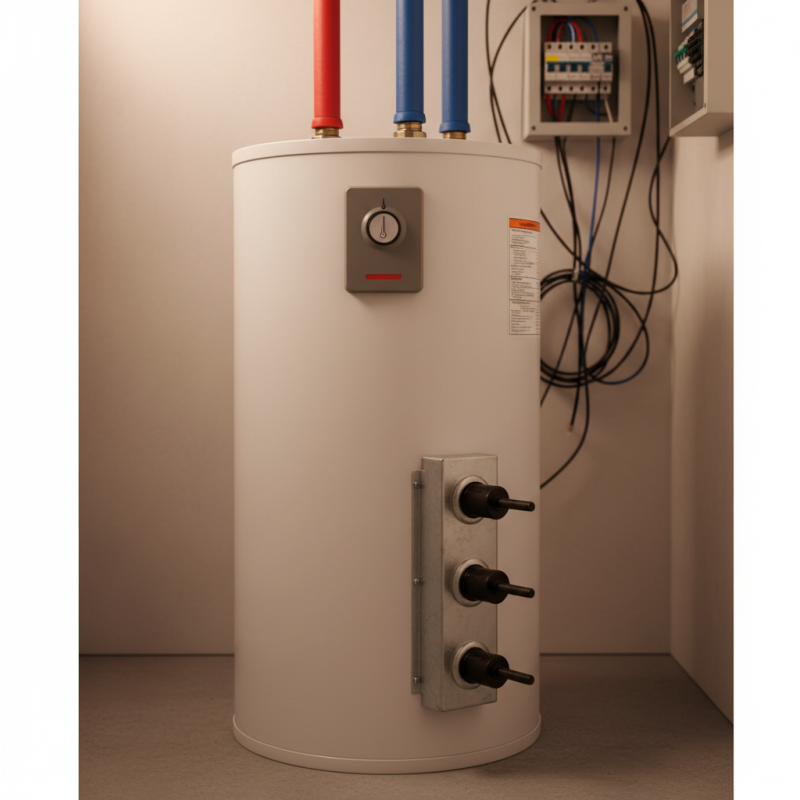
What is an Electric Water Heater and How Does It Work?
An Electric Water Heater is a common appliance in many households. It heats water for various uses, from bathing to washing dishes. Understanding how this device works can improve energy efficiency and comfort in daily life.
Electric Water Heaters operate using electrical elements. These elements heat water stored in a tank. This process seems simple, yet it involves specific mechanisms. For instance, the temperature control system ensures safety and efficiency. Users often overlook the importance of regular maintenance to prolong the heater’s life.
In recent years, the demand for electric water heaters has surged. Many seek reliable alternatives to traditional gas heaters. However, users must reflect on their water heating needs before making a choice. Overall, knowing the workings of an Electric Water Heater is essential for informed decisions.
What is an Electric Water Heater?
An electric water heater is a device that heats water using electricity. It is commonly used in homes and businesses. These heaters operate by utilizing electric resistance coils. When electricity flows through these coils, they generate heat. This heat then warms the surrounding water in the tank.
Electric water heaters come in various types, including tank and tankless models. Tank models store hot water for immediate use. They maintain a certain temperature, ready for use when needed. Tankless heaters, on the other hand, heat water on demand. They are often more energy-efficient but can sometimes struggle to provide enough hot water for multiple faucets at once.
Understanding how an electric water heater works is vital. It requires mindful maintenance. Failure to check elements like temperature and pressure relief valves can lead to problems. Regular flushing can remove sediment buildup, enhancing efficiency. Many users neglect this, which can affect performance and lifespan. Hence, staying informed about your heater's needs is crucial for reliability.
Types of Electric Water Heaters: Storage vs. Tankless
When choosing an electric water heater, homeowners generally face two options: storage and tankless models. Storage water heaters, also known as tank water heaters, hold a specific amount of hot water in a tank. They continuously heat water, ensuring it’s ready when needed. This model is ideal for households with high water usage, as the tank can provide a steady flow of hot water. However, they can be less energy-efficient due to standby heat loss.
In contrast, tankless water heaters heat water on demand. They eliminate the need for a bulky tank, making them more compact. This type delivers hot water only when you need it, reducing energy waste. They are perfect for smaller homes or those with lower hot water needs. However, tankless systems might struggle during peak usage times, leading to lukewarm showers if not sized correctly.
Choosing between these types involves weighing their pros and cons. It's wise to consider your household's habits and water usage patterns. Both options have benefits and drawbacks, and the ideal choice depends on your specific needs and preferences.
Key Components and Their Functions in Electric Water Heaters
Electric water heaters are essential for providing hot water in many homes. They consist of several key components that work together to ensure efficient operation. The cold water enters the tank through an inlet, where it is heated by electric heating elements. These elements are typically submerged in the water. When you turn on the hot water tap, the heated water rises and flows out.
One vital component is the thermostat. It monitors the water temperature to maintain your desired heat level. If the water gets too cool, the thermostat signals the heating elements to activate. There’s also a pressure relief valve that prevents excess pressure from building up. This is crucial for safety. If the pressure increases too much, the valve will release water to prevent potential hazards.
Despite the reliability of electric water heaters, they are not without flaws. Over time, sediment can build up in the tank, affecting efficiency. Regular maintenance is necessary to address this issue. Additionally, if the heating elements burn out, it can lead to water not heating properly. Awareness of these potential pitfalls can help in making informed decisions about maintenance and replacements.
Energy Consumption of Electric Water Heaters
How Electric Water Heaters Convert Electricity to Heat Water
Electric water heaters are essential for many households, providing a reliable source of hot water. These appliances convert electricity into heat through a straightforward yet efficient process. Inside the tank, electric resistance elements heat the water as it passes through. The temperature is controlled by a thermostat, ensuring the water reaches the desired level, commonly set between 120°F to 140°F. This process is both simple and effective, making electric water heaters a popular choice.
According to the U.S. Department of Energy, about 18% of a typical home's energy use goes toward heating water. This significant share emphasizes the importance of choosing an efficient model. Many electric water heaters have a first-hour rating, indicating how much hot water you can expect during peak use. Choosing a unit with a higher rating can improve convenience, particularly for larger families.
**Tips:**
Ensure your water heater is well-maintained to enhance efficiency and longevity. Periodically inspect for leaks and sediment buildup. This can prevent costly repairs and maintain optimal performance. It’s also wise to adjust the thermostat to a lower setting when not in high demand, saving energy over time. Keeping these practices in mind contributes to better efficiency and can reduce your utility bills.
Efficiency Ratings and Energy Consumption of Electric Water Heaters
Electric water heaters are becoming increasingly popular due to their efficiency. According to the U.S. Department of Energy, electric water heaters typically have an efficiency rating between 90% and 95%. This means that nearly all the electricity used is converted into hot water.
Energy consumption varies by model and usage patterns. On average, a household using an electric water heater consumes about 3,000 to 4,500 kilowatt-hours annually. This can translate to significant costs on monthly energy bills. The Environmental Protection Agency highlights that these heaters can account for up to 18% of a home's energy use.
While electric water heaters are efficient, they also require careful consideration when it comes to environmental impact. They rely on grid electricity, which may come from fossil fuels. As a result, their overall environmental footprint can be higher than expected. Users must weigh the benefits of efficiency against the source of the electricity in their area. Reducing energy consumption with better insulation or selecting models with better ratings can lead to overall improvements.