Cart

What Is Expanded Metal Sheet and How Is It Used?

Expanded metal sheet is made by slitting and stretching a solid metal sheet, creating diamond-shaped openings without welding or significant material waste. Its raised strands can form a rigid, lightweight panel for walkways, machine guards, platforms, façades, ceilings, and ventilation screens. It is not the same as perforated sheet. The difference matters.

ASTM F1267 provides a recognized specification for expanded metal, including dimensional and manufacturing considerations. Industry reports from Grand View Research and MarketsandMarkets identify construction, infrastructure, transportation, and industrial equipment as important application areas. Their market estimates differ, however. That variation reflects different product definitions and regional coverage. The numbers deserve caution.

Materials engineer David H. Marsh describes the principle clearly: “Expanded metal works because the sheet becomes both open and structural after stretching.” The statement captures its practical value, although published sources should verify the exact wording and attribution before formal publication. In real use, engineers still check strand width, thickness, short-way opening, long-way opening, load direction, corrosion protection, and support spacing. A walkway may look strong yet flex under repeated foot traffic. A façade may ventilate well but require finer mesh for safety.

This guide explains what expanded metal sheet is, how manufacturers produce it, and why its geometry affects performance. It also examines common metals, finishes, selection factors, installation details, and realistic limitations. The material is efficient. It is not automatically suitable for every load, opening size, or environment.
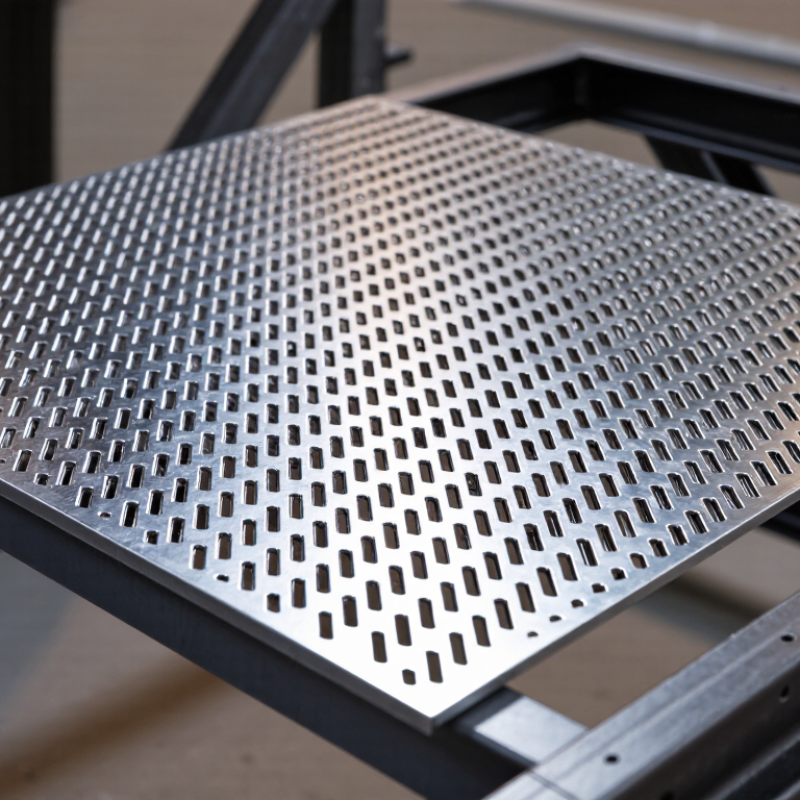
What Is Expanded Metal Sheet and How Is It Used?

Definition and Basic Structure of Expanded Metal Sheet

Expanded metal sheet is a single piece of metal opened by cutting and stretching. No material is removed during this process. The sheet develops a repeating pattern of diamond-shaped openings. Each opening is bordered by solid metal strands, while the joining points are called bonds. This structure gives the sheet strength, airflow, and useful visibility.

Its basic measurements include strand width, strand thickness, short way of diamond, and long way of diamond. These dimensions affect weight, rigidity, light transmission, and installation. A thicker sheet usually supports heavier loads, but it also becomes harder to cut and form. Common materials include steel, aluminum, and stainless steel. Surface finishes may improve corrosion resistance, though performance depends on the environment and maintenance.

Tips: Check the opening size before ordering. Measure both diamond directions. Do not judge strength by appearance alone. During fabrication, expanded metal may bend slightly near cut edges, so a trial piece can prevent mistakes. I have found that drawings sometimes hide this detail. For platforms, guards, screens, and ventilation panels, confirm the load, support spacing, and edge treatment with a qualified engineer. Exposed edges can be sharp. Protective handling matters.

How Expanded Metal Sheet Is Manufactured

What Is Expanded Metal Sheet and How Is It Used?

How Expanded Metal Sheet Is Manufactured

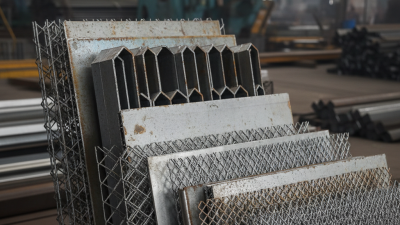
Expanded metal sheet begins as a solid sheet or coil of metal. Common choices include carbon steel, aluminum, and stainless steel. The material enters an expanding machine, where sharp blades make staggered cuts. At the same time, the machine stretches the sheet. The cuts open into diamond, hexagonal, or other patterned openings.

No separate pieces are punched out. This helps reduce scrap and keeps the sheet structurally connected. The blade setting controls the strand width, opening size, and overall pattern. Small errors matter. If the feed speed or cutting depth changes, the openings may become uneven. Experienced operators check the sheet during production, not only at the end.

After expansion, the sheet may pass through a leveling machine. Leveling reduces waves created during stretching. Workers can then trim the edges, cut panels, or apply protective coatings. Galvanizing, painting, or other finishes may improve resistance to moisture and wear. However, the correct finish depends on the environment and the base metal.

Quality checks usually measure sheet thickness, strand dimensions, opening size, flatness, and diagonal consistency. These details affect airflow, weight, grip, and appearance. Expanded metal is used for guards, walkways, screens, ventilation covers, and architectural panels. The manufacturing method looks simple, but it demands careful control. Specifications should be verified before fabrication.

What Is Expanded Metal Sheet and How Is It Used? — How Expanded Metal Sheet Is Manufactured

Category Dimension or Stage Typical Data or Description Purpose and Practical Use
Basic Definition Expanded metal sheet A single sheet of metal that is simultaneously slit and stretched to form a regular pattern of openings. Creates an integral mesh without welding or weaving, providing a combination of strength, ventilation, visibility, and material efficiency.
Common Materials Carbon steel Frequently selected for general-purpose panels, guards, walkways, and enclosures; usually protected with paint, powder coating, or galvanizing. Offers good structural strength and is generally economical for indoor or protected outdoor applications.
Common Materials Aluminum Lightweight, naturally corrosion-resistant, and easy to form; commonly used for screens, ventilation panels, and architectural features. Reduces panel weight while maintaining an open surface and a clean appearance.
Common Materials Stainless steel Available in corrosion-resistant grades such as 304 and 316, subject to the operating environment and specification. Suitable for hygienic, marine, chemical, and other demanding environments where corrosion resistance is important.
Sheet Thickness Before expansion Typical commercial thicknesses range from approximately 0.5 mm to 6 mm, although available sizes depend on the material, machine, and product design. Thickness affects load capacity, rigidity, weight, open area, and the ability to form or cut the sheet.
Strand Width SW The width of the metal strip between adjacent openings. It is commonly specified separately from sheet thickness. Controls the amount of metal in the mesh and contributes to strength, security, and visual appearance.
Long Way of Diamond LWD The distance from one corner of a diamond opening to the opposite corner measured along the longer direction. Defines the opening length and is used to identify the expanded metal pattern and open area.
Short Way of Diamond SWD The distance from one corner of a diamond opening to the opposite corner measured along the shorter direction. Influences visibility, airflow, screening performance, and the overall appearance of the sheet.
Open Area Percentage of open surface Common patterns may provide approximately 20% to 80% open area, depending on strand dimensions and opening size. Higher open area generally improves airflow, light transmission, and visibility; lower open area generally improves screening and privacy.
Manufacturing Step 1 Material preparation Coils or flat sheets are selected, inspected, and cut to the required starting thickness and width. Ensures consistent material properties and provides a controlled feedstock for the expanding machine.
Manufacturing Step 2 Slitting and stretching A specialized machine makes staggered cuts and simultaneously advances the sheet, opening the slits into a continuous mesh. Forms the diamond, hexagonal, or other specified opening pattern while keeping the strands interconnected.
Manufacturing Step 3 Pattern control Machine settings determine opening length, opening width, strand width, sheet thickness, and expansion ratio. Allows the product to be tailored for structural, security, ventilation, filtration-support, or decorative requirements.
Manufacturing Step 4 Leveling and sizing The expanded sheet may be leveled, trimmed, cut to length, or supplied in a raised form depending on the specification. Improves flatness, dimensional accuracy, handling, and suitability for fabrication or installation.
Manufacturing Step 5 Surface finishing Typical finishes include mill finish, hot-dip galvanizing, electro-galvanizing, painting, powder coating, or chemical passivation for suitable stainless steel products. Improves corrosion resistance, appearance, cleanability, or compatibility with the service environment.
Product Form Raised expanded metal Strands are offset during expansion, leaving the mesh with a three-dimensional, uneven surface. Provides slip resistance and drainage, making it useful for walkways, platforms, stairs, and machine-access areas.
Product Form Flattened expanded metal The raised mesh is passed through leveling rolls to produce a flatter surface and a more uniform diamond profile. Works well for screens, panels, grilles, guards, and applications where a flatter appearance is preferred.
Structural Performance Load and stiffness Performance depends on material grade, sheet thickness, strand width, opening size, panel direction, support spacing, and edge framing. Engineering checks are required before using expanded metal as a load-bearing floor, platform, barrier, or structural component.
Typical Application Safety guards and machine enclosures Used as a physical barrier around moving machinery, fans, motors, and restricted areas. Maintains visibility and ventilation while helping limit access to hazardous components.
Typical Application Walkways, stairs, and platforms Raised expanded metal can provide a rigid, open walking surface with drainage and slip-resistant characteristics. Allows water, oil, snow, and debris to pass through rather than accumulating on the walking surface.
Typical Application Ventilation and screening panels Open mesh panels are used for air intake screens, equipment covers, vents, radiators, and architectural shading. Balances airflow and visibility with protection from accidental contact, impact, or unwanted entry.
Typical Application Architectural and decorative features Expanded metal is used for façades, ceilings, partitions, balustrades, sun screens, and interior design elements. Provides texture, shadow effects, partial privacy, and visual interest while remaining relatively lightweight.
Advantages Material efficiency The sheet is not made from separate welded wires; the slitting-and-expanding process creates openings while retaining continuous strands. Reduces the risk of separated joints and can provide a favorable strength-to-weight ratio for many applications.
Limitations Cut edges and corrosion exposure Cutting can create sharp edges, and unprotected carbon steel can corrode when exposed to moisture or aggressive environments. Edges should be deburred or protected, and the finish should be selected according to the installation environment.
Specification Checklist Information normally required Material grade, thickness, SWD, LWD, strand width, sheet size, raised or flattened form, finish, quantity, and intended application. Complete specifications help ensure the expanded metal matches the required appearance, airflow, security, corrosion resistance, and load performance.

Note: Dimensions and open-area ranges shown above are typical industry values. Final selection should be based on the manufacturer’s product data and the project’s structural, environmental, and safety requirements.

Types, Patterns, and Material Options

Expanded metal sheet is made by cutting and stretching solid metal without removing material. The process creates connected strands and open spaces. This structure provides airflow, light transmission, and useful strength with relatively low weight. Its performance depends on the metal thickness, strand width, and opening size.

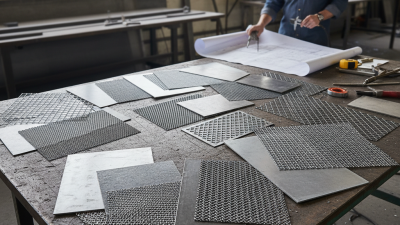
Common types include raised expanded metal and flattened expanded metal. Raised sheets retain a slightly three-dimensional surface, improving grip for walkways, platforms, and protective screens. Flattened sheets pass through rollers, producing a smoother surface for panels, partitions, and equipment covers.

Patterns also vary. Diamond openings are widely used, while hexagonal and decorative patterns can provide different visual effects. The long way of opening and short way of opening should be checked before installation. A frequent mistake is selecting by appearance alone.

Material choice changes durability and handling. Carbon steel offers strength for general industrial use, but it may need a protective coating in damp areas. Galvanized steel improves resistance to corrosion and often suits outdoor barriers. Aluminum is lighter and easier to handle, although it may not match steel’s load capacity. Stainless steel performs well in humid or hygienic environments, but its higher cost requires careful justification. In practice, no single pattern fits every project. I would verify load requirements, edge treatment, ventilation needs, and local conditions before ordering. Even experienced users can overlook sharp edges or inaccurate opening measurements.

Key Properties and Advantages of Expanded Metal

Expanded metal sheet is made by cutting and stretching solid metal without removing material. The result is a continuous sheet with diamond, hexagonal, or custom openings. It provides useful strength while weighing less than many solid panels. The raised strands also create texture, which can improve grip underfoot. Common materials include steel, aluminum, and stainless steel.

Its key advantage is the balance between airflow, visibility, and structural support. In workshops, it can protect machinery while allowing heat and light to pass through. It also works for walkways, screens, guards, ceilings, and architectural facades.

A fabricator should check strand width, opening size, sheet thickness, and load direction before cutting. Small errors matter. A panel that looks strong may still flex if its supports are too far apart.

Tips: Measure the opening and support spacing carefully. Choose corrosion-resistant metal for damp locations. Inspect cut edges before installation, because they may be sharp. Keep the sheet flat during storage to reduce distortion. Expanded metal is not a perfect solution for every project. Fine particles can pass through larger openings, and privacy may remain limited. Testing one sample panel first often prevents costly adjustments later.

Common Applications Across Different Industries

What Is Expanded Metal Sheet and How Is It Used?

Common Applications Across Different Industries

Expanded metal sheet is made by cutting and stretching solid metal into a repeating mesh. The process creates diamond-shaped openings without producing loose scrap. This structure offers airflow, visibility, drainage, and moderate strength in one panel. Sheet performance depends on metal type, thickness, strand width, and open area. These details deserve careful review.

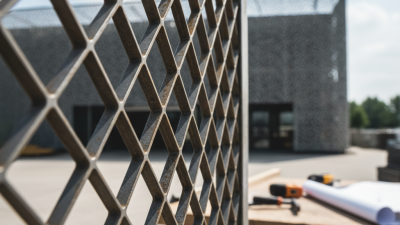
In construction, expanded metal forms walkway panels, stair treads, ceiling grilles, plaster reinforcement, and façade screens. Its raised surface can improve grip around wet service areas. Architects also use it for balcony guards and sun shading, where air can pass through. However, appearance changes with viewing distance and lighting. A sample panel can prevent expensive design surprises.

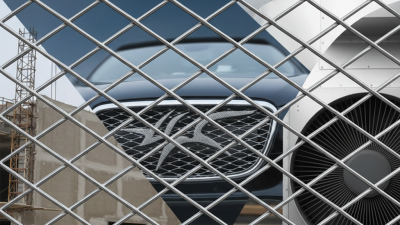
Manufacturing sites use expanded metal for machine guards, equipment platforms, ventilation covers, and storage partitions. The openings allow workers to observe moving equipment while maintaining separation. In agriculture, panels support drying racks, animal enclosures, and protective screens. Transport facilities use them around platforms, service areas, and vehicle ventilation systems. Energy and utility projects may apply heavier sheets to access walkways and protective barriers.

A common mistake is choosing by thickness alone. Load direction, span, corrosion exposure, edge treatment, and fixing methods also matter. Coastal sites may require suitable corrosion protection. Sharp cut edges need proper finishing. The strongest-looking panel is not always the safest choice. That assumption deserves checking before fabrication.

Skip to content