What is a Fanless PC and Why You Should Consider One?
In recent years, the rise of the fanless PC has sparked interest among tech enthusiasts and everyday users alike. A fanless PC operates without traditional cooling fans, relying instead on passive cooling methods. This unique design leads to a quieter computing experience, which many find appealing for home offices or multimedia setups. The silent operation eliminates the distracting noise often associated with standard computers.
Moreover, fanless PCs are energy efficient. They consume less power than their fan-equipped counterparts. This aspect not only reduces energy bills but also appeals to environmentally conscious users. With less energy consumption, fanless PCs also generate less heat, leading to improved longevity for internal components.
However, it's essential to consider some limitations. Performance may not match high-end models with fans. For demanding applications like gaming, a fanless PC might struggle. Buyers should evaluate their needs carefully. Thus, while considering a fanless PC, weigh the pros and cons based on your specific use case.
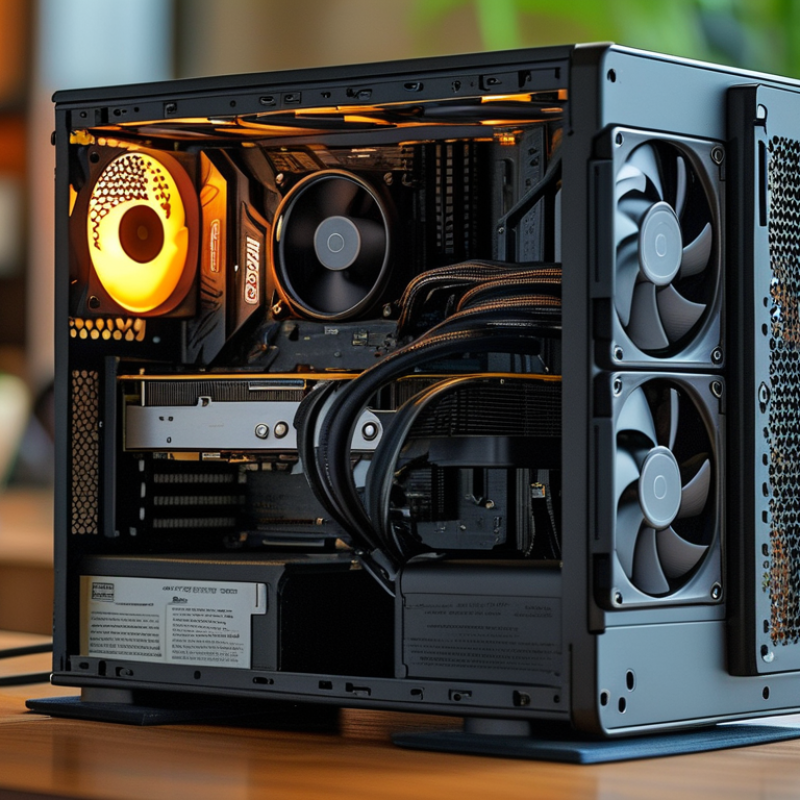
What is a Fanless PC: Definition and Key Features
Fanless PCs are a unique solution in the world of computing. They provide a streamlined design without traditional cooling fans. This absence of fans translates into quieter operation and less mechanical wear. As a result, fanless PCs often last longer and require less maintenance than their fan-equipped counterparts.
Key features of fanless PCs include passive cooling systems. These systems use heat sinks and thermal management to dissipate heat efficiently. In addition, fanless models are compact and energy-efficient. Their design allows for operation in more varied environments, such as industrial settings. However, it’s important to consider the potential limitations. Fanless systems may have reduced performance under heavy workloads. They can also be more challenging to upgrade, as components are often integrated.
As you think about purchasing a fanless PC, weigh the pros and cons. The quiet operation and reduced maintenance might be appealing. But consider whether your computing needs align with what a fanless PC can offer. This balance is critical when making a decision.
Benefits of Fanless PCs: Noise Reduction and Energy Efficiency
Fanless PCs have gained popularity for their unique design and numerous benefits. One of the standout advantages is noise reduction. Traditional computers with fans can create distracting sounds, especially in quiet environments. In contrast, fanless designs operate silently. This capability makes them ideal for offices, libraries, or home use where peace and concentration are essential.
Energy efficiency is another significant benefit of fanless PCs. They produce less heat and don’t require additional energy for cooling systems. This results in lower electricity bills over time. Moreover, fanless PCs often rely on advanced technology that maximizes performance while minimizing power consumption. Users can enjoy robust computing capabilities without the environmental costs of traditional systems. However, while fanless models are efficient, they may not handle heavy-duty tasks as well as their fan-equipped counterparts. This can limit their use in gaming or intensive graphic design.
These benefits show why fanless PCs are becoming a popular choice for many users. The quiet operation and energy savings can enhance the user experience, but potential buyers should consider their specific needs. Evaluating what tasks will be performed is crucial for making the right decision.
Performance Comparison: Fanless vs. Traditional PCs
Fanless PCs are becoming more popular, especially for specific applications. Their lack of fans leads to a quieter and often more reliable computing experience. When comparing performance, fanless PCs typically offer lower processing power than traditional PCs. Traditional systems benefit from advanced cooling, allowing them to sustain higher performance under load.
A study by the International Energy Agency suggests that fanless systems consume up to 40% less power than their fan-equipped counterparts. This efficiency not only saves energy but also means less heat generation. Lower heat means less thermal stress on components, potentially extending their lifespan. However, users often find that fanless designs can struggle with intense workloads, particularly in gaming or heavy rendering tasks.
Thermal throttle can occur in fanless systems when they reach high temperatures. This can result in reduced performance during peak loads. While fanless PCs are suitable for light tasks like browsing or office applications, their limitations in processing power need consideration. For dedicated tasks, users may prefer the robust performance of traditional systems, despite the added noise.
What is a Fanless PC and Why You Should Consider One? - Performance Comparison: Fanless vs. Traditional PCs
| Feature | Fanless PC | Traditional PC |
| Noise Level | Silent operation | Variable noise, depending on cooling solution |
| Cooling Method | Passive cooling | Active cooling (fans) |
| Power Consumption | Lower power usage | Higher power usage |
| Durability | High; fewer moving parts | Variable; fans may fail over time |
| Heat Dissipation | Excellent through design | Depends on fan efficiency |
| Use Cases | Media centers, embedded systems | Gaming, heavy computational tasks |
Market Trends: Growth in Fanless PC Adoption and Sales Data
The rise of fanless PCs has captured attention in the tech community. Recent sales data shows a remarkable shift towards these silent computing solutions. Consumers prioritize quieter, more efficient machines for their homes and offices. In places where noise levels affect productivity, fanless systems are becoming the norm.
Market trends highlight a steady growth in fanless PC adoption. The demand is driven by advancements in passive cooling technologies. Users are increasingly aware of the environmental benefits too. Fanless PCs consume less energy, which resonates with eco-conscious consumers. In educational settings, these devices create ideal environments for learning. However, some users remain skeptical about computing power. They worry whether fanless systems can handle demanding tasks.
Companies report mixed feedback from early adopters. Performance issues sometimes arise with high-intensity applications. Despite this, enthusiasm grows as manufacturers work on improving reliability. Consumers must weigh their specific needs against the capabilities of fanless designs. Understanding both the advantages and limitations is crucial for making informed decisions.
Growth in Fanless PC Adoption (2020-2023)
The adoption of fanless PCs has seen significant growth over the past few years, with sales increasing from 50,000 units in 2020 to an anticipated 160,000 units in 2023. This trend highlights a growing preference for compact, silent computing solutions.
Use Cases: Ideal Environments for Fanless PC Implementations
Fanless PCs have gained popularity due to their unique attributes. These devices operate without fans, eliminating noise and minimizing dust buildup. This can be particularly beneficial in quiet environments like hospitals, libraries, and recording studios. According to a recent study by IDC, nearly 30% of businesses are focusing on noise reduction as a key component of their IT infrastructure. This shift underscores the need for technology that adapts to specific environments.
In industrial settings, fanless PCs can thrive in harsh conditions. They are often designed to endure extreme temperatures, vibrations, and dust. This resilience is critical in factories where traditional PCs may fail. A report from Gartner highlights that fanless systems can reduce maintenance costs by up to 40% in these demanding applications. Implementing these systems can lead to increased productivity as they minimize downtime caused by equipment failure.
Fanless PCs also excel in the Internet of Things (IoT) landscape. They can seamlessly integrate into smart homes or smart factories, responding to real-time data without the distractions of noise or heat. As industries embrace IoT, it’s estimated that fanless designs will see a growth of over 15% annually. This trend signifies a growing recognition of their advantages across a variety of practical applications.