What is a Flood Barrier and How Does It Work?
Flood Barriers play a crucial role in protecting communities from the devastating effects of flooding. According to Dr. Emily Johnson, a leading expert in flood management, "A flood barrier is not just a structure; it's a lifeline for many affected areas." This statement underscores the importance of these barriers in safeguarding lives and properties.
Flood barriers come in various forms, including movable, inflatable, and permanent structures. Their primary function is to prevent water from inundating homes and businesses during heavy rainfall or storm surges. When these barriers are deployed effectively, they can drastically reduce the amount of water that enters vulnerable areas, providing invaluable time for evacuation and damage mitigation.
However, flood barriers are not foolproof. They require regular maintenance, and their effectiveness can diminish over time. Improper installation or failure to address potential vulnerabilities can lead to catastrophic results. Communities must also consider the environmental impact of flood barriers. Therefore, while flood barriers are essential for disaster preparedness, ongoing evaluation and adaptation are necessary for them to remain effective.
What is a Flood Barrier? Definition and Purpose
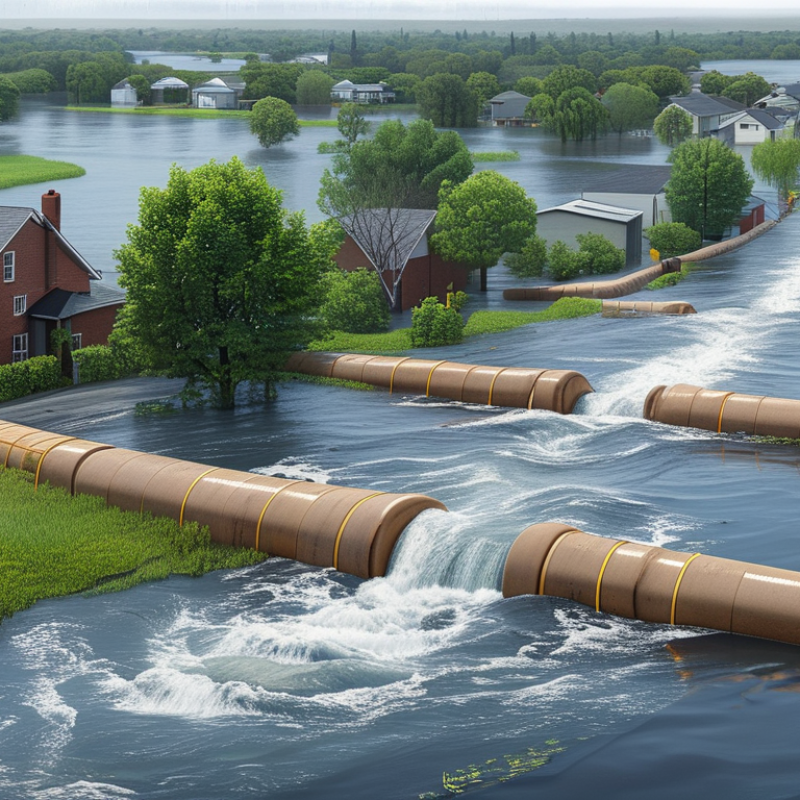
Flood barriers are innovative structures designed to prevent water from encroaching on vulnerable areas. Their main purpose is to protect homes, businesses, and critical infrastructure from flood damage. These barriers come in various forms, from temporary inflatable designs to permanent reinforced walls. Each type is tailored for specific environments and flood risk levels.
Understanding how flood barriers work is essential. Most barriers operate by creating a physical barrier against rising water levels. They rely on solid materials, often reinforced to withstand pressure. Some models are automated, deploying during flood warnings. However, they need regular maintenance and careful planning to be effective. Relying solely on technology can lead to complacency. Communities must remain vigilant and prepared for floods, regardless of barriers.
Receiving ongoing education about flood dynamics enhances a community's resilience. Awareness of local conditions is vital. Not all barriers fit every situation. Engineers often face challenges when designing solutions. The unpredictability of weather patterns complicates flood defense strategies. It's essential to continuously evaluate the effectiveness of flood barriers and adapt accordingly.
Types of Flood Barriers: Permanent vs. Temporary Solutions
Flood barriers are essential tools for managing water overflow during heavy rains or storm surges. They come in two primary forms: permanent and temporary solutions. Understanding these differences helps communities choose the right methods for protection.
Permanent flood barriers are built into infrastructure. They provide ongoing defense against potential flooding. These structures often require significant investments. For instance, studies show that cities can spend millions on permanent installations. However, they offer a lasting solution that can greatly reduce flood risks.
Temporary flood barriers, on the other hand, are designed for quick deployment. They are often more cost-effective and can be set up when flooding is imminent. A report from the National Flood Insurance Program indicates that temporary barriers can save communities up to 30% in flood-related costs. However, their effectiveness largely depends on timely installation. Community training is essential for efficient set-up.
**Tip:** Regularly inspect all flood barrier installations. Ensure they are in good condition and ready for use.
It's crucial to consider local geography when selecting flood barriers. Not every solution fits all areas. Communities must assess risks and needs carefully. Balancing cost with effectiveness is not easy. Continuous evaluation of both fixed and mobile barriers is necessary for optimal flood management.
What is a Flood Barrier and How Does It Work?
| Type of Flood Barrier | Description | Durability | Cost Range | Deployment Time |
| Permanent Flood Barriers | These are structures built to withstand floodwaters over an extended period. | High (20+ years) | $100,000 - $5 million | N/A |
| Temporary Flood Barriers | These are deployed during a flood event and removed afterward. | Moderate (1-5 years) | $1,000 - $100,000 | Hours to Days |
| Sandbags | A quick fix using bags filled with sand to block water. | Low (Less than 1 year) | $0.50 - $2 per bag | Minutes to Hours |
| Flood Gates | Mechanical gates that close during flooding events. | High (20+ years) | $10,000 - $1 million | Days to Weeks |
| Earth Berms | Raised earth structures designed to divert water. | High (20+ years) | $5,000 - $250,000 | Weeks to Months |
How Flood Barriers Work: Mechanisms and Materials
Flood barriers play a crucial role in protecting areas from rising water. Their mechanisms involve a combination of physical barriers and advanced materials designed to withstand pressure and prevent overflow. Most barriers are built using sturdy materials like concrete, steel, or a combination of composites. These materials offer durability against the forces of nature, ensuring they remain intact during extreme conditions.
The design of a flood barrier can vary significantly. Some barriers are deployable, made to be set up quickly when a flood warning is issued. Others are permanent installations that blend into the environment. It's vital to consider the terrain and potential water levels when selecting the type of barrier.
Tips: Regular maintenance is essential. Inspect barriers for wear and damage, especially after storms. Community involvement can enhance preparedness, fostering awareness of local flood risks. Keep a plan ready for quick response during flooding events. Being proactive can save lives and property.
Advantages and Limitations of Flood Barriers
Flood barriers serve as crucial defenses against water damage during heavy rainfall or rising tides. They are designed to divert or stop floodwaters, providing protection for homes and infrastructure. One advantage of flood barriers is their ability to be quickly deployed in emergencies. They can save lives and reduce property damage significantly.
However, flood barriers are not without limitations. Their effectiveness depends on proper installation and maintenance. If not monitored, they can fail during extreme conditions. Some barriers can also obstruct natural water flow, leading to ecological issues. Communities must weigh these pros and cons carefully when considering their use.
Inadequate knowledge about flood barrier systems can lead to overconfidence. Trusting solely on barriers may create a false sense of security. It is essential to combine barriers with comprehensive flood management plans. Awareness and education are vital in maximizing their potential while acknowledging their constraints.
Maintenance and Safety Considerations for Flood Barriers
Flood barriers are essential in managing water overflow during extreme weather events. Their effectiveness depends significantly on proper maintenance and safety protocols. Regular inspections are vital to ensure that these structures remain functional. A report from the National Flood Insurance Program indicates that poorly maintained barriers can result in a failure rate of up to 30% during major floods.
While flood barriers can provide excellent protection, they require dedicated upkeep. Sediment build-up and debris can weaken a barrier’s integrity. A study by the American Society of Civil Engineers highlighted that over 60% of flood mitigation structures were not properly maintained, leading to catastrophic failures. Checking seals, joints, and surrounding areas is crucial. This routine maintenance helps to identify vulnerabilities early.
Safety considerations are paramount. Workers involved in maintenance should follow strict safety protocols to avoid accidents. Lack of training can pose significant risks. In addition, community awareness about flood barriers and their locations enhances public safety during emergencies. Enhanced public knowledge can mitigate chaos in crisis situations.