What is a Hex Flange Head Screw and Its Applications?
Hex Flange Head Screws are vital in numerous engineering and construction applications. They feature a unique flange design that distributes load more evenly. This characteristic enhances their performance over traditional screws. Industry reports indicate that the demand for these screws has increased by 15% over the past five years, reflecting their growing importance.
These screws are often used in automotive and industrial machinery. They provide superior holding strength and resistance to loosening. According to a recent study, projects implementing Hex Flange Head Screws report a 20% increase in structural integrity. This showcases their reliability in critical applications.
However, not all Hex Flange Head Screws are created equal. Variations in material and coating can affect performance. Engineers must choose the right specifications to avoid potential failures. As reliable data becomes more essential, understanding these nuances is crucial for successful application.
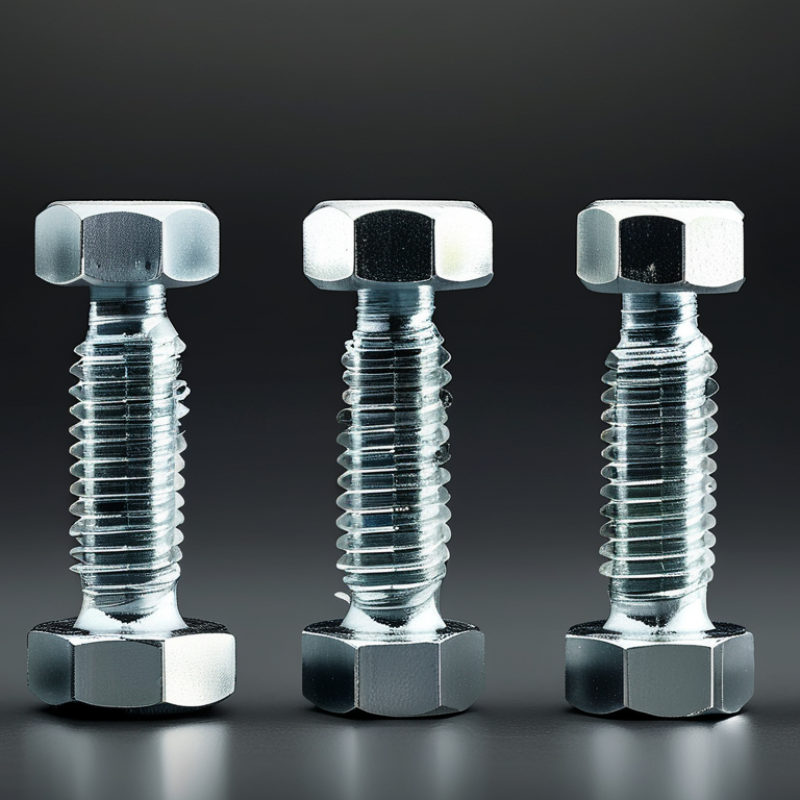
Definition of a Hex Flange Head Screw
A hex flange head screw is a versatile fastener commonly used in construction and automotive applications. It features a hexagonal head integrated with a flange, which serves to distribute the load over a larger area. This design reduces the risk of stripping and enhances stability. The flange also allows for easier installation, often eliminating the need for a washer. According to a report from the International Journal of Advanced Manufacturing Technology, the use of flange head screws can reduce installation time by up to 30%.
In sectors like aerospace and civil engineering, hex flange head screws are crucial. They can withstand high shear loads and are resistant to vibration, making them ideal for critical assemblies. Research from the American Society of Mechanical Engineers indicates that using these screws can improve the longevity of mechanical joints by minimizing loosening over time. However, it is essential to consider that these screws might require specific torque settings to maintain their effectiveness.
Tip: Always check the compatibility of the screw material with the base material. This prevents corrosion and prolongs the life of the assembly. Proper torque is crucial for ensuring that the screw performs efficiently. Another point to reflect on is that using oversized screws might lead to decreased load distribution efficiency, potentially compromising structural integrity.
Key Features and Specifications of Hex Flange Head Screws
Hex flange head screws are widely utilized in various industries, thanks to their unique design and features. These screws typically come with a wide, flanged head that provides increased bearing surface. This attribute makes them ideal for distributing load over a larger area, which reduces the risk of damage to the material they secure. Industry reports show that the demand for hex flange head screws has grown by approximately 8% annually, mainly due to their use in automotive and construction applications.
One key specification of these screws is their ability to conform to various standards, including ASTM and SAE. The flanged design enhances grip and helps maintain tight connections, which is crucial in heavy machinery and structural applications. Additionally, they can be found in different materials, including stainless steel and carbon steel, providing options for corrosion resistance and strength. According to a recent study, almost 70% of engineers prefer hex flange head screws for projects requiring robustness.
Tips: When selecting hex flange head screws, always check for compatibility with your application. Consider factors such as load requirements and environmental conditions. Make sure to assess the manufacturer’s specifications thoroughly, as variations exist in strength ratings. A mistake in choosing the right screw can lead to unexpected failures.
Common Applications in Various Industries
Hex flange head screws are fasteners with a hexagonal head and a built-in flange. This design distributes load over a larger surface, enhancing their effectiveness. They are commonly used in construction, automotive, and manufacturing industries. According to a recent report from the Fastener Industry Research Association, the global fastener market is projected to reach $100 billion by 2026, highlighting the rising demand for efficient fastening solutions.
In the automotive industry, hex flange head screws provide critical support in various assemblies. They are essential in securing components like engine mounts and chassis. A study by the Automotive Parts Manufacturers Association indicated that the automotive sector consumes approximately 37% of all fasteners produced globally. This demonstrates the reliance on reliable screw types for vehicle safety and performance.
In construction, these screws are crucial for structural applications. They can secure metal roofing or siding, providing durability against harsh weather. Industry data suggests that over 25% of structural failures arise from inadequate fastening. Thus, using hex flange head screws mitigates risks and enhances safety. Their use exemplifies the intersection of material science and engineering, making them invaluable across diverse fields.
Common Applications of Hex Flange Head Screws in Various Industries
Installation and Maintenance Tips for Hex Flange Head Screws
Hex flange head screws are widely used in various applications due to their unique design and versatility. Proper installation and maintenance are key to ensuring optimal performance. For installation, it is essential to use the right torque settings. Industry standards suggest a torque range of 25-35 Nm for medium-strength screws, while higher strengths may require adjustments. Over-torquing can lead to strip threads, while under-torquing may cause loosening over time.
Maintenance is equally important. Regular inspections are crucial to prevent corrosion and rust, especially in outdoor applications. Industry data indicates that nearly 30% of failures in flange head screws arise from inadequate maintenance. Cleaning the screws periodically with non-corrosive solutions can help extend their lifespan. Additionally, replacing screws that show visible signs of wear can prevent failures in critical applications. Understanding these elements ensures reliability and safety in the use of hex flange head screws.
What is a Hex Flange Head Screw and Its Applications?
| Dimension | Material | Coating | Applications |
| M6 x 20mm | Stainless Steel | Plain | Automotive Components |
| M8 x 25mm | Carbon Steel | Zinc Plated | Construction Equipment |
| M10 x 30mm | Alloy Steel | Black Oxide | Machinery Assembly |
| M12 x 40mm | Stainless Steel | Nylon Coated | Electrical Panels |
| M16 x 50mm | Carbon Steel | Hot Dip Galvanized | Bridge Construction |
Differences Between Hex Flange Head Screws and Other Fasteners
Hex flange head screws stand out among various fasteners due to their unique design. The flange acts as a washer, distributing the load evenly. This feature reduces the risk of damage to the materials being fastened. Unlike traditional hex screws, the flange also eliminates the need for additional washers, which can streamline installation processes.
Comparing hex flange head screws to other fasteners reveals significant differences. For instance, standard hex screws require separate washers, adding to assembly time. In contrast, a hex flange head screw simplifies the process, especially in tight spaces. However, it may not suit all applications. The flange’s larger profile can be a limitation in confined areas. There are instances where standard screws provide a better fit.
Additionally, hex flange head screws offer better resistance to loosening under vibration. This quality makes them ideal for automotive and machinery applications. However, reliance on this feature should be measured. In high-vibration environments, inspection and maintenance are still necessary. Always evaluate the specific needs of your project before choosing your fasteners.