2026 How to Choose the Best Hydraulic Bending Machine?
Choosing the right Hydraulic Bending Machine is crucial for optimizing production efficiency and quality. These machines are essential in metal forming industries. However, selecting the wrong model can lead to costly errors. Understanding the key features and capabilities of each machine is vital.
Different projects require distinct bending solutions. Some Hydraulic Bending Machines are designed for high precision, while others excel in speed. Evaluating the specific needs of your operations will guide your decision. Additionally, considering the machine’s build quality and brand reputation is important. Those factors often reflect reliability and long-term performance.
Options can be overwhelming. Budget constraints, technical specifications, and available support should influence your choice. Mistakes can happen, and they often stem from inadequate research or impulse buying. The outcome hinges on how well you address these concerns. Investing time in understanding the capabilities of Hydraulic Bending Machines will pay off significantly in the long run.
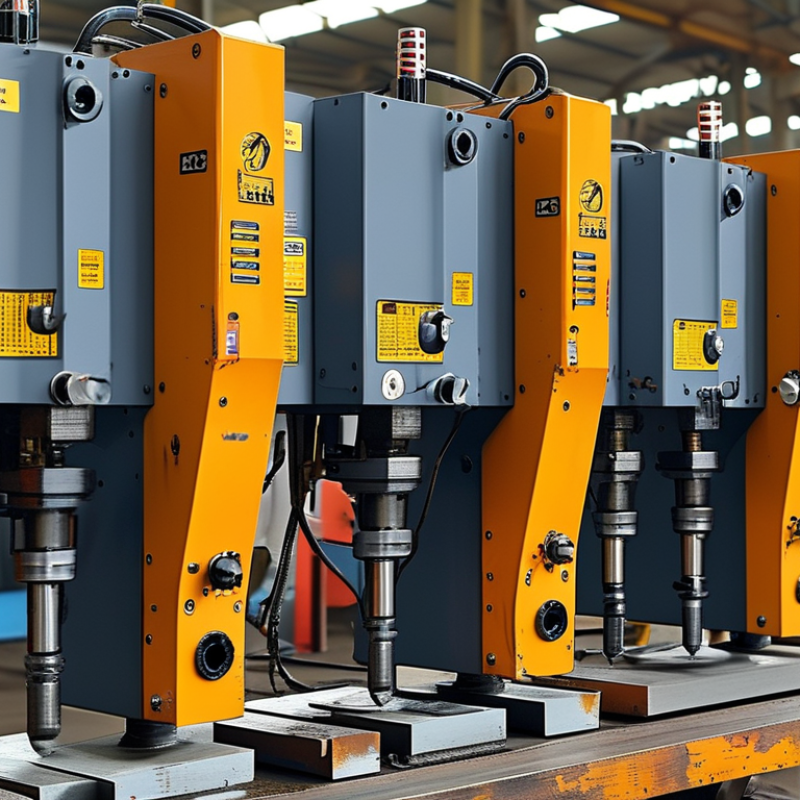
Factors to Consider When Selecting a Hydraulic Bending Machine
When selecting a hydraulic bending machine, several factors warrant attention. Understanding the specifications is crucial. Key measurements include bending capacity, machine size, and material thickness. Each detail affects performance and suitability. Operators should consider the machine's control system. Advanced controls offer precision. Simple controls may suffice for basic tasks.
Durability is another essential factor. Look for machines built from high-quality materials. Steel frames withstand heavy usage better than weaker alternatives. Operating speed is significant too. A faster machine increases productivity but may require careful handling. Noise levels and maintenance needs should not be overlooked. Some machines create more noise and vibration, impacting the work environment.
Finally, think about the machine's versatility. Choose a model that can handle different materials and bending angles. This flexibility is key for diverse projects. Always consider your future needs. Will you need additional features later? If yes, invest in a machine that can grow with you. While the ideal machine may be costly initially, the long-term benefits can outweigh the drawbacks.
Understanding Different Types of Hydraulic Bending Machines
When choosing a hydraulic bending machine, it’s crucial to understand the types available. Generally, there are three main categories: horizontal, vertical, and multi-axis bending machines. Each type serves different purposes and industries, impacting the choice based on specific needs.
Horizontal bending machines are excellent for large plates. They efficiently handle heavy materials and offer considerable bending precision. In contrast, vertical bending machines excel in smaller applications and easier manipulation. They provide flexibility in bending various angles, which can be a useful feature in diverse projects.
Multi-axis bending machines combine the advantages of the other two types. They allow for complex shapes and intricate designs. While they might require a steeper learning curve, mastering them can lead to greater capabilities in your manufacturing process. Reflecting on your production needs will help clarify which type suits your operation best.
Hydraulic Bending Machines: Types and Popularity
Key Specifications and Features to Evaluate
When selecting a hydraulic bending machine, understanding key specifications is crucial. The bending capacity should align with your project's requirements. For example, a machine with a capacity of 50 tons can efficiently bend materials like steel or aluminum up to a certain thickness. Always consider the maximum bending angle as well. An optimal angle is often between 0 to 180 degrees, depending on the application.
Accuracy is another critical factor. Machines with a tolerance level of ±0.5 mm or better are preferable. This precision ensures high-quality outcomes in metal fabrication. Speed is equally important, with many modern machines offering cycle times below 15 seconds per bend, enhancing productivity. Furthermore, a user-friendly interface adds to the machine's efficiency, allowing operators to program complex bends without extensive training.
Lastly, durability impacts long-term investment. Machines made with high-grade materials can withstand rigorous use and have a lifespan that exceeds ten years. Investing in machines featuring robust safety systems is also essential. These systems protect operators and minimize breakdown risks, which can lead to costly downtime. Evaluating these specifications will guide you toward the best hydraulic bending machine for your needs.
Comparing Costs and Budgeting for Your Hydraulic Bending Machine
When considering the purchase of a hydraulic bending machine, budgeting plays a crucial role. Costs can vary significantly based on the machine’s capacity, features, and brand reputation. Establishing a clear budget helps narrow down options. It is essential to factor in additional expenses like installation and maintenance. Prepare for these costs upfront to avoid financial strain later on.
Tips for effective budgeting include researching current market prices. Engage with industry forums for insights on real-world costs. This helps identify potential red flags or hidden fees. Furthermore, get quotes from multiple suppliers to compare. Don’t rush; every detail counts. You might discover a better deal.
Another consideration is the machine's intended use. If you're bending lighter materials, a less expensive model may suffice. However, for heavier tasks, investing more upfront could save money over time. Weigh your options based on long-term needs. Sometimes, the cheapest option leads to more repairs down the road. Balance initial costs with future investments for optimal value.
Identifying Reputable Brands and Manufacturers in the Market
When looking to purchase a hydraulic bending machine, understanding branding and manufacturing credibility is crucial. A report by MarketsandMarkets indicates that the global bending machine market is expected to grow from $3.2 billion in 2021 to $4.1 billion by 2026. This growth hints at a competitive landscape filled with various brands.
Recognizing reputable brands involves examining industry certifications and user reviews. High-quality machines often comply with international standards, which ensure safety and performance. It’s beneficial to examine reviews from professionals who actively use these machines. Consumer feedback is a vital indicator of reliability and service support.
While many brands claim to offer the best, some may fall short. Reports often reveal discrepancies between promises made and actual performance. Not every popular brand guarantees durability or efficiency. Scrutinize warranty details and customer service availability, as these factors impact long-term satisfaction with the purchase. This approach ensures that your investment in a hydraulic bending machine yields fruitful results and meets your operational needs.