How to Use Metal Mesh for Effective Filtration and Strength in Construction?
In modern construction, the use of metal mesh is increasingly vital for both filtration and structural integrity. Dr. Emily Carter, an expert in architectural materials, emphasizes, "Metal mesh transforms the way we think about filtration and strength." Her insights underline the importance of integrating metal mesh into various applications, from industrial to residential settings.
Metal mesh offers unique properties that enhance durability and performance. Its ability to filter while providing strength makes it a preferred choice among architects and engineers. For instance, incorporating metal mesh in concrete structures can significantly reduce weight while maintaining the necessary support. However, challenges in installation and corrosion resistance often arise, requiring careful consideration and planning.
Understanding different types of metal mesh is essential for effective use. Some options may perform better in specific environments or with particular materials. Reflecting on these variables is critical for maximizing benefits. As professionals navigate this evolving landscape, the failures and successes they encounter will shape the future of metal mesh applications in construction.

Understanding Metal Mesh: Properties and Types
Metal mesh is a versatile material often used in construction due to its unique properties. It offers a balance of strength and filtration ability. Different types of metal mesh, such as welded, woven, and perforated, serve diverse functions. According to industry reports, welded wire mesh is particularly effective for structural reinforcement. The spaces between wires allow for effective drainage while maintaining solid support.
Woven mesh is lightweight and adjustable, making it suitable for air and water filtration systems. The mesh's configuration allows it to capture particulates while facilitating airflow. Statistics indicate that woven metal mesh can achieve up to 90% efficiency in filtering out fine particles, which is critical for construction environments that require air quality management. However, woven mesh can sometimes be less durable than welded options under extreme stress.
Perforated metal is another option for construction applications. It combines strength with an ability to allow light and air passage. Yet, its filtering properties are somewhat limited compared to other types. Selecting the right mesh type requires careful consideration of project needs and conditions. There’s no one-size-fits-all solution. Each has its advantages and disadvantages that must be weighed against performance requirements.
Applications of Metal Mesh in Filtration Systems
Metal mesh is versatile in filtration systems. Its sturdy construction makes it ideal for various applications. For example, it is often used in water treatment facilities. Here, it filters out debris and impurities effectively. The woven structure allows liquid to flow while trapping larger particles. Such efficiency helps maintain clean water supplies.
In industrial settings, metal mesh plays a crucial role. It can be found in air filtration systems that remove dust and allergens. This application is crucial for maintaining air quality. Moreover, metal mesh can be used in HVAC systems. It aids in filtering dust and other contaminants efficiently. However, not all metal meshes are created equal. The choice of mesh size and material affects filtration quality.
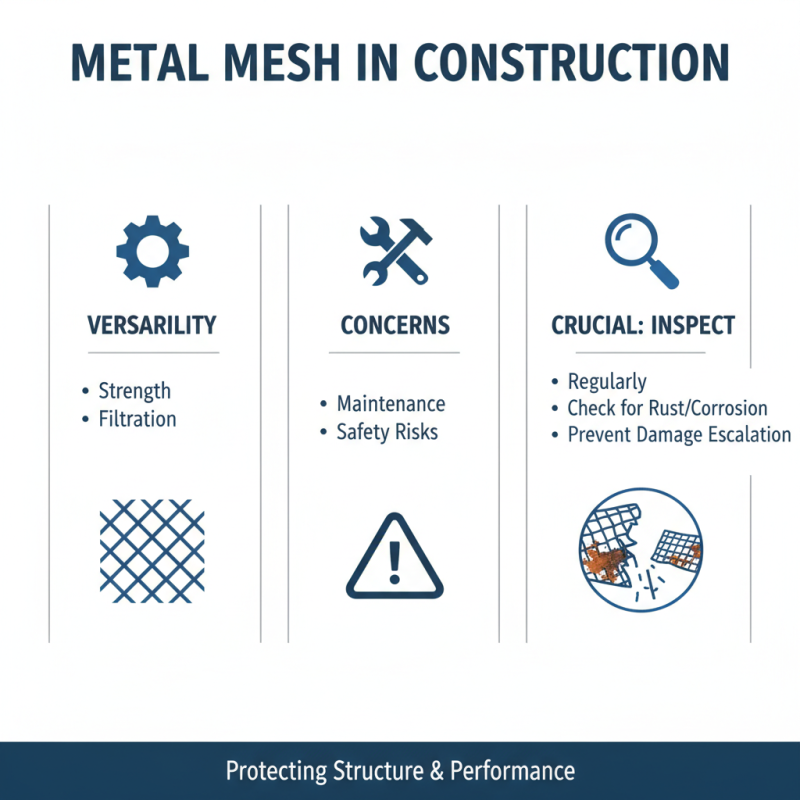
Installation is another aspect worth considering. Flaws in mesh installation can lead to leaks. Over time, such issues can compromise filtration effectiveness. Regular maintenance is needed to ensure optimal performance. It’s essential to evaluate the condition of the metal mesh periodically. Unfortunately, some might overlook this step, leading to bigger issues later on.
Applications of Metal Mesh in Filtration Systems
Enhancing Structural Integrity with Metal Mesh
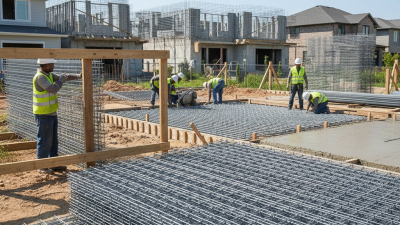
Metal mesh is increasingly recognized for its role in enhancing structural integrity in construction. This versatility comes from its ability to combine strength with effective filtration. For instance, metal mesh can withstand significant tension and compression forces. According to the American Institute of Steel Construction, using metal mesh can improve load distribution by up to 30%. This capability makes it ideal for reinforcing concrete structures.
The application of metal mesh in walls and ceilings adds an extra layer of support. It's not just about strength; it's also about filtration. Metal mesh filters out particulates, contributing to cleaner air within buildings. Reports indicate that buildings utilizing metal mesh systems have seen a reduction in airborne contaminants by nearly 40%. However, proper installation is critical. If not correctly placed, the mesh may not provide the intended strength and filtration, leading to potential weaknesses.
Design challenges still exist. Integration with other materials can sometimes be complex. Inadequate connections between metal mesh and other elements might compromise structural integrity. Building professionals must carefully select their mesh types to ensure compatibility. Relying solely on metal mesh without considering these factors can lead to unforeseen issues. Balancing strength and functionality requires ongoing evaluation and adaptation in design.
How to Use Metal Mesh for Effective Filtration and Strength in Construction? - Enhancing Structural Integrity with Metal Mesh
| Property |
Value |
Application |
Benefits |
| Material Type |
Stainless Steel |
Structural Reinforcement |
Corrosion Resistance |
| Mesh Size |
1/4 inch |
Filtration Systems |
High Filtration Efficiency |
| Wire Diameter |
0.5 mm |
Concrete Reinforcement |
Enhanced Load-Bearing Capacity |
| Open Area |
50% |
Dust Control |
Improved Air Flow |
| Weight |
2.5 kg/m² |
Civil Engineering Projects |
Lightweight and Durable |
Installation Techniques for Optimal Performance of Metal Mesh
When installing metal mesh for filtration and reinforcement, precision is key. The surface where the mesh will be placed must be adequately prepared. Ensure it is clean and free from dust or debris. Any contaminants can weaken the effectiveness of the mesh in construction.
**Tips:** Cut the mesh with sharp tools for a clean edge. This prevents fraying and ensures better fitting. Always wear safety gloves while handling, as the edges can be sharp.
Proper alignment of the metal mesh is crucial. The mesh should sit flush with the surface to maintain its structural integrity. If misaligned, it may not perform well under stress. It's essential to take your time with this step. Rushing can lead to mistakes that are costly.
**Tips:** Use markers or chalk to outline where the mesh goes. This will help maintain accuracy during installation. Double-checking measurements saves time down the line.
Lastly, secure the metal mesh appropriately. Use fasteners or adhesives suitable for your construction materials. Inadequate securing could lead to mesh slippage or failure. Inspect your work before finalizing the installation. A minor oversight might lead to major issues later on.