What Is Metal Mesh and What Is It Used For?
Metal mesh is a manufactured network of interlocked or welded wires, designed to control space without creating a solid wall. Its openings may be smaller than a grain of sand or wide enough to show a clear view through a safety screen. Wire diameter, aperture size, material, and weave pattern all change its performance. Stainless steel resists moisture and heat, while galvanized steel offers practical protection for many outdoor applications.
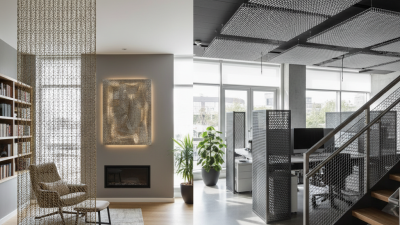
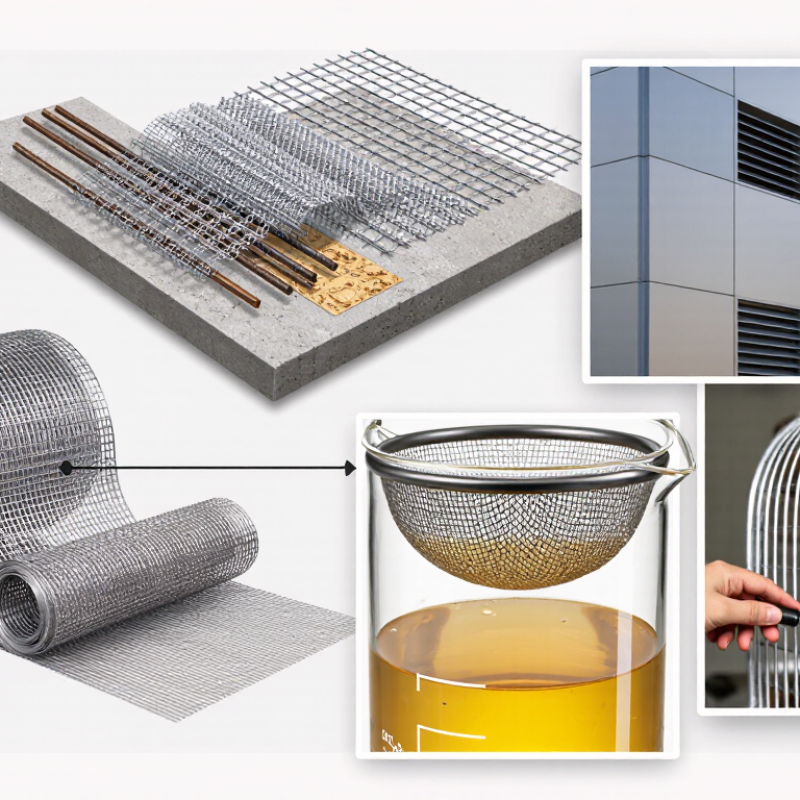
“Metal mesh is not simply a barrier; it is a carefully engineered balance between strength, airflow, visibility, and filtration,” explains Dr. Robert W. Cahn, a materials engineering specialist. That balance makes metal mesh useful in architecture, manufacturing, mining, agriculture, and product design. It can protect machinery, filter particles, reinforce concrete, separate materials, or create ventilated façades. In a workshop, a mesh guard may stop a hand from reaching moving parts while still allowing technicians to inspect the equipment. In a kitchen, fine mesh can strain liquids and capture unwanted particles.
The details matter.
A poorly selected mesh may clog quickly, bend under pressure, or corrode sooner than expected. This is where practical experience becomes important. Designers must consider load, temperature, chemical exposure, cleaning methods, and maintenance access. Open area also deserves attention, although it is sometimes overlooked. Metal mesh is versatile, but it is not automatically suitable for every task. Testing remains necessary. That small step can prevent a costly mistake.
Definition and Basic Structure of Metal Mesh
Metal mesh is a manufactured network of connected metal elements. Its basic structure usually includes wires, strips, or thin metal sheets arranged around open spaces. These spaces are called apertures. The metal sections between them form strands, and their intersections create joints or nodes.
Mesh structure changes according to its manufacturing method. Woven mesh crosses wires over and under each other, creating a fabric-like pattern. Welded mesh joins straight wires at fixed intersections, producing a firm grid. Expanded mesh comes from cutting and stretching a sheet, while perforated sheet uses punched holes. Each type has different strength, flexibility, visibility, and airflow. Wire diameter, aperture size, panel thickness, and opening shape also affect performance. It is easy to oversimplify mesh as “metal with holes.” That description misses how its geometry controls real behavior.
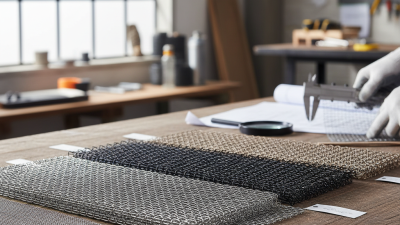
Tips: Check the aperture and wire diameter together. A small opening does not always mean higher strength. Look at the joint quality, surface condition, and thickness. For outdoor use, consider corrosion exposure and drainage. In practical work, measurements can vary slightly after forming or cutting, so confirm the actual sample before installation. This small step prevents costly fitting problems.
How Metal Mesh Is Made
Metal mesh is made by converting metal sheet or wire into a controlled pattern of openings. The method depends on strength, airflow, flexibility, and production cost. Steel, stainless steel, aluminum, and copper are common choices. Each metal behaves differently during forming.
For woven mesh, machines pass wires over and under one another, much like a small metal textile. The wire diameter and opening size are measured carefully. Welding machines join crossing wires at fixed points. This produces rigid panels with regular squares. A slight alignment error can weaken the panel, so tension control matters.
Expanded mesh begins as a solid sheet. A machine makes staggered cuts and stretches the sheet into diamond-shaped openings. No material is removed, which can reduce waste. Perforated mesh uses punches or lasers to create round, square, or custom holes. The finished surface may be trimmed, cleaned, or coated for added protection.
Manufacturing is rarely perfect. Heat can distort thin metal. Cutting tools can wear. Operators inspect edges, opening sizes, and flatness before shipment. In my view, the most overlooked detail is the edge. A sharp or uneven edge can complicate installation, even when the pattern looks precise. Mesh selection should consider the real environment, not only its appearance.
Main Types of Metal Mesh
Metal mesh is a manufactured network of wires, strands, or sheets with regular openings. Its design controls airflow, visibility, strength, and filtration. The main types differ by how those openings are formed.
Woven wire mesh uses wires crossing over and under each other, like fabric. It suits screening, filtration, and protective panels. Fine versions can separate powder, while heavier versions handle larger particles. Welded wire mesh joins straight wires at each intersection. It creates a rigid grid for machine guards, cages, partitions, and concrete reinforcement. Its clean geometry makes measuring easier. However, poor welding or unsuitable wire can reduce service life.
Expanded metal begins as a solid sheet. Slits and stretching create diamond-shaped openings without removing much material. It offers ventilation, traction, and useful stiffness for walkways or covers. Perforated metal is punched with round, square, or slotted holes. It appears in acoustic panels, equipment screens, and architectural façades. Knitted mesh forms interlocking loops and can absorb movement or capture droplets. In practice, the “best” type depends on opening size, load, corrosion exposure, and cleaning needs. A small workshop may favor welded mesh for easy cutting, while a filtration system may require carefully controlled woven openings. No mesh is perfect. A design that improves airflow may weaken privacy or impact resistance. Engineers should check actual wire diameter, tolerances, coating condition, and installation support before specifying it.
Key Properties and Performance Factors
Metal mesh is a grid of interwoven or welded metal wires. Its performance depends on more than appearance. Aperture size controls filtration and airflow. Wire diameter affects strength, weight, and open area. ISO 9044 specifies industrial woven wire cloth by mesh opening, wire size, and dimensional tolerances. These details matter when a screen must separate fine particles or protect moving equipment.
Material selection changes service life. Stainless steel offers strong corrosion resistance in humid or chemical environments. Carbon steel usually provides higher stiffness at lower cost, but it needs suitable protection. The 2024 World Stainless Association statistical release reported global stainless production at roughly 60 million tonnes for 2023. This large production base supports wide material availability, although availability does not guarantee the right grade. Pressure drop also deserves attention. A smaller opening may improve particle capture while restricting air volume. Engineers should verify pressure, temperature, load, and cleaning cycles with test data. A neat specification can still fail in real conditions.
Tips: Measure the actual aperture, not only the nominal mesh count. Ask for tensile strength, corrosion data, and open-area percentages. ASTM E11 is useful for checking sieve cloth tolerances, but it may not represent every industrial application. Leave room for inspection. Mesh can deform slowly, and early damage is easy to overlook. I would not choose by price alone. A cheaper panel may create higher maintenance costs, especially where dust, vibration, or moisture is constant.
Common Uses of Metal Mesh in Different Industries
Metal mesh is a sheet or web of interlocked metal wires, strands, or perforated strips. Openings may be square, rectangular, or highly specialized. Manufacturers select carbon steel, stainless steel, aluminum, or copper for different environments. According to the World Steel Association, global crude steel production reached about 1.89 billion tonnes in 2023. That scale supports wide use of steel mesh, although steel output is not the same as mesh production.
Construction remains a major application. Welded mesh reinforces concrete floors, walls, tunnels, and precast panels. It also forms safety barriers, ventilation screens, and façade panels. In energy facilities, mesh supports walkways and protects equipment from debris. The International Energy Agency reports that buildings account for about 30% of global final energy consumption. This explains the demand for durable screens in ventilation and shading systems. The detail is easy to miss: poor opening design can restrict airflow and raise maintenance costs.
Factories use finer mesh for filtration, sieving, drying, and separation. Mining operations screen crushed materials by particle size. Food processors use corrosion-resistant mesh on conveyors and drying belts. Agricultural equipment uses it for grain cleaning and animal enclosures. Market research reports commonly forecast steady growth in wire mesh demand through the next decade, driven by construction and industrial filtration. Forecasts vary widely, however. They may group woven wire, welded wire, and expanded metal together, which weakens direct comparison. In practice, engineers should check aperture size, wire diameter, load capacity, coating, and temperature resistance before selecting a mesh. Small errors matter.
What Is Metal Mesh and What Is It Used For?
Metal mesh is a manufactured material made from interlinked, welded, expanded, or perforated metal.
Its aperture size is selected according to the required level of filtration, screening, protection, airflow, or structural support.
The chart shows representative aperture sizes commonly specified for different applications. Actual mesh selection varies according to material, load, particle size, safety requirements, and operating conditions.