What is Perforated Metal Sheet and Its Applications?
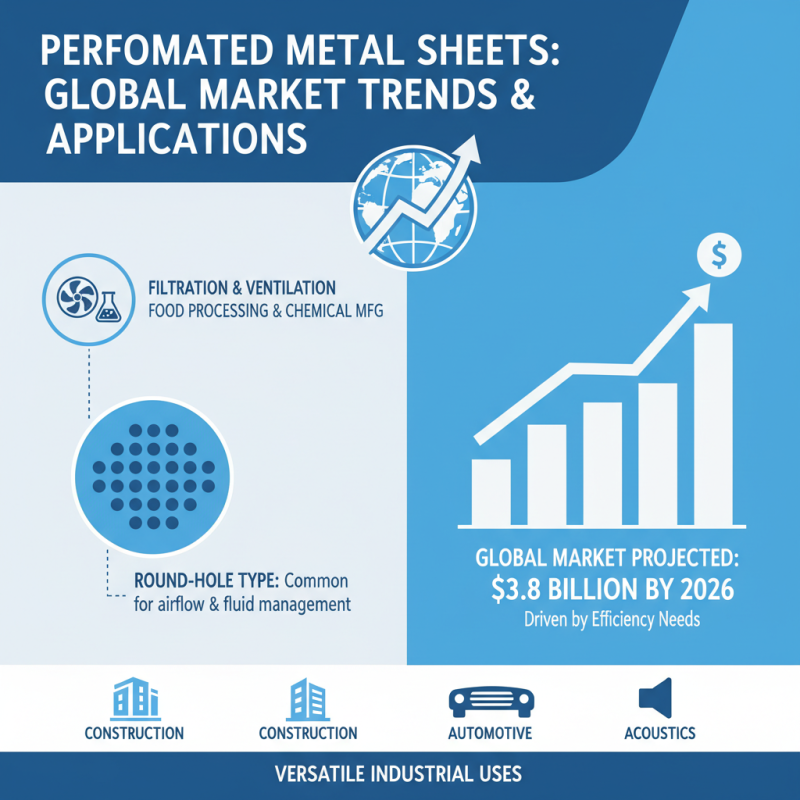
Perforated metal sheet is a versatile material widely used in various industries. Its applications range from construction to agriculture. In recent years, the global market for perforated metal has grown significantly. According to a recent market analysis, the projected growth rate is around 5.3% annually.
This material is prized for its durability and aesthetic appeal. Typical uses include architectural facades, filtration systems, and sound absorption panels. Each application benefits from the unique properties of perforated metal sheet, such as weight reduction and airflow enhancement. However, challenges exist. Sourcing the right material requires careful evaluation of design and function.
Industry professionals often report difficulty in choosing the appropriate gauge and hole pattern. The variety available can be overwhelming. Some complexities in manufacturing can also lead to inconsistencies in product quality. Despite these issues, the demand for perforated metal sheet continues to rise, reflecting its integral role in modern applications.
What is Perforated Metal Sheet? Definition and Composition
Perforated metal sheet is a versatile material. It consists of a metal sheet with holes punched through it. These holes can vary in size and pattern. It is made from various metals, such as steel, aluminum, and copper. The thickness of the sheet also varies, allowing for different applications.
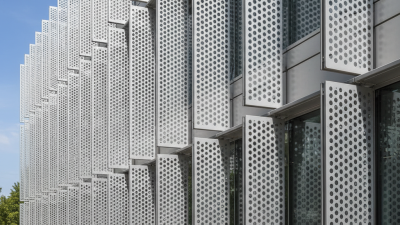
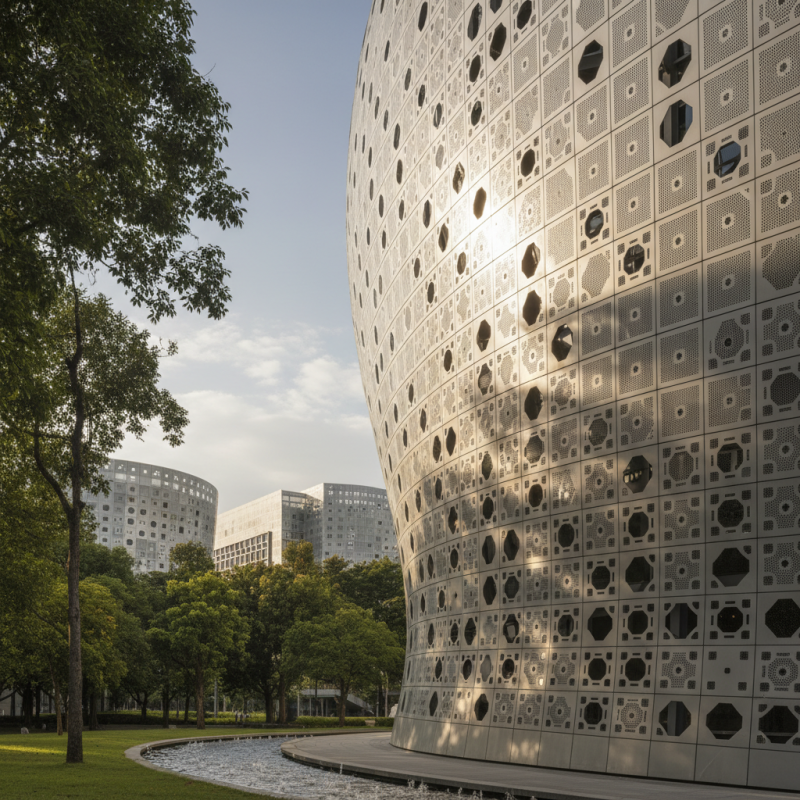
This material is commonly used in construction and architecture. Its aesthetic appeal and functional properties make it popular. Perforated metal sheets enhance airflow and light penetration. They are found in facades, balconies, and fencing. Additionally, they are used in filtration systems and soundproofing. The holes reduce noise while maintaining visibility.
Tips: When choosing perforated metal, consider the hole size. Smaller holes provide more filtration. Larger holes may be better for aesthetics. Always think about the intended application.
Perforated sheets can come in various finishes. This can affect both durability and appearance. Be mindful of corrosion resistance, especially in outdoor environments. However, choosing the wrong finish could lead to premature wear. Ensure the selected sheet meets your specific needs.
Types of Perforated Metal Sheets and Their Unique Features
Perforated metal sheets are versatile materials used across various industries. They come in different types, each offering unique features. One common type is the round hole perforated sheet. It is widely used for filtration and ventilation purposes. These sheets are prevalent in industries such as food processing and chemical manufacturing. According to a recent Market Research report, the global perforated metal market is projected to reach $3.8 billion by 2026, driven primarily by the need for efficient air and fluid flow management.
Another popular type is the square hole perforated sheet. This design allows for a greater open area, which can help reduce weight while maintaining structural integrity. This feature is crucial in architectural applications, such as facades and decorative partitions. Research indicates that designers favor square hole patterns for their aesthetic value. However, the choice of perforation size must be carefully considered. Inappropriate sizing may lead to ineffective functionality, especially in noise control or sound absorption applications.
Additionally, decorative perforated sheets offer design flexibility. They can be customized with various hole shapes and patterns. This type of sheet is widely used in interior design and retail displays. However, using decorative perforation can complicate production processes. Inconsistencies in hole patterns may arise, requiring meticulous quality checks. Awareness of these challenges can guide better design decisions and production efficiencies.
Common Manufacturing Processes for Perforated Metal Sheets
Perforated metal sheets are commonly produced through various manufacturing processes. Each process has unique characteristics and benefits. One widely used method is punching. In this technique, a punch tool creates holes in the metal sheet. It's efficient and suitable for large orders. The design flexibility allows for custom patterns.
Another method is laser cutting. This technique uses focused light to cut through the metal. It's precise and ideal for intricate designs. Laser cutting offers high accuracy but can be slower for larger volumes. Thickness of the material also affects the speed of production.
In addition, rotary piercing is an option. This method uses a rotating tool to create holes continuously. It’s great for high-speed production. However, it can be limited by the types of materials used. Each process requires careful consideration of application needs. Understanding the strengths and limitations is crucial for selecting the right method.
Key Applications of Perforated Metal Sheets in Various Industries
Perforated metal sheets are versatile materials used across various industries. They offer unique features, such as lightweight yet strong construction. In architecture, these sheets enhance aesthetic appeal and allow natural light penetration. According to a recent industry report, the global market for perforated metal is projected to grow by 5% annually, driven by increasing demand in construction.
In the manufacturing sector, perforated metal sheets are crucial for filtration and ventilation. Their precise holes allow for effective airflow while blocking unwanted particles. This is particularly important in sectors like automotive and aerospace, where safety and performance are paramount. A study highlighted that around 40% of manufacturers utilize perforated sheets for improved efficiency in processes.
Food processing is another area where these sheets shine. They are used in equipment like conveyors and screens. However, challenges persist, such as maintaining hygiene and preventing lubricant contamination. These issues require constant reflection and innovation. Despite their advantages, many facilities struggle to optimize the use of perforated sheets. This underlines the need for better practices in production and maintenance.
Applications of Perforated Metal Sheets in Various Industries
This chart illustrates the number of applications of perforated metal sheets across various industries, showcasing their versatility and demand in fields such as construction, automotive, aerospace, electronics, and architecture.
Market Trends and Future Prospects of Perforated Metal Sheet Usage
The perforated metal sheet market has seen considerable growth. Experts predict a compound annual growth rate (CAGR) of around 7% from 2022 to 2028. This trend stems from the increasing demand across various sectors such as construction, automotive, and aerospace. The versatility of perforated sheets makes them suitable for multiple applications. Architects use them for aesthetic designs, while industries employ them for functional purposes.
The construction sector leads in the usage of perforated metal sheets. They are often used for cladding, sunshades, and ceilings. This trend reflects a growing interest in sustainable building practices. Moreover, perforated sheets help with acoustics and airflow, enhancing overall building performance. However, some challenges remain, such as high production costs and limited material options.
In the automotive sector, lightweight materials are crucial for fuel efficiency. Perforated metal sheets fit this need, offering reduced weight without compromising strength. However, manufacturers must address production consistency and quality control issues. As industries evolve, the demand for innovation in perforated sheet applications continues. Manufacturers need to explore new materials and technologies to meet changing market demands.
What is Perforated Metal Sheet and Its Applications? - Market Trends and Future Prospects
| Dimension (mm) |
Hole Diameter (mm) |
Material Type |
Application Area |
Market Trend (2023) |
| 1000 x 2000 |
5 |
Aluminum |
Construction |
Growth |
| 1200 x 2400 |
10 |
Stainless Steel |
Architectural |
Stable |
| 1500 x 3000 |
8 |
Mild Steel |
Industrial |
Decline |
| 2000 x 4000 |
12 |
Copper |
Electronics |
Emerging |
| 800 x 1600 |
6 |
Brass |
Furniture |
Growth |