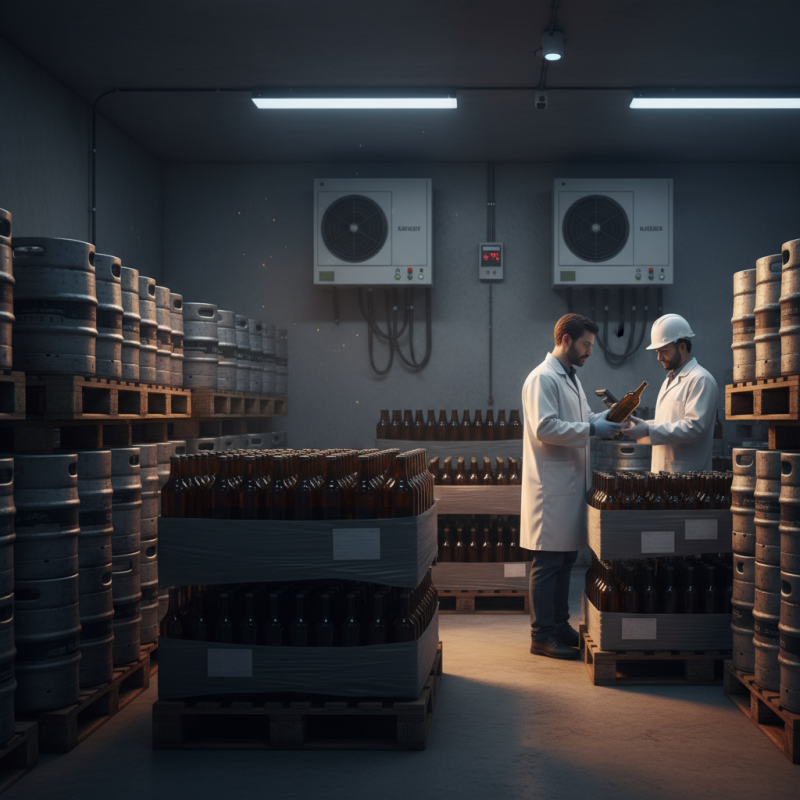
Why is Proper Commercial Beer Storage Essential for Quality?
Proper Commercial Beer Storage is crucial for preserving the flavor and integrity of beer. Many breweries and distributors underestimate its importance. Neglecting the right storage conditions can lead to significant quality degradation. Factors like temperature, humidity, and light exposure play a vital role in maintaining beer's freshness.
Inadequate Commercial Beer Storage can result in off-flavors, modified aromas, and even spoilage. For instance, storing beer at room temperature for extended periods can accelerate oxidation. Light can also cause skunky flavors. These elements affect consumer experience and brand reputation.
Even experienced professionals sometimes overlook these details. Effective storage requires diligence and attention. Ensuring proper Commercial Beer Storage not only enhances quality but builds consumer trust. The complexities of storage reflect a vital aspect of the brewing industry.
Importance of Temperature Control in Beer Storage
Temperature control is critical in beer storage. Studies show that temperature fluctuations can significantly affect beer quality. The Brewers Association reports that maintaining a consistent temperature between 45°F and 55°F for ales and 38°F to 42°F for lagers preserves taste. When stored at inappropriate temperatures, flavors can change, leading to off-tasting beer.
Many breweries emphasize the importance of storage conditions. A rise of just a few degrees can accelerate oxidation. This process leads to stale flavors and reduces freshness. According to a study by the American Journal of Enology and Viticulture, oxidation can begin within weeks if beer exceeds proper storage temperatures. It is vital for both consumers and producers to understand these variables.
Improper storage can create challenges. Not all retailers have temperature-controlled environments. Some shops may leave craft beer in warm conditions, affecting quality. Even a short-term exposure to incorrect temperatures can cause irreversible damage. This highlights the need for stricter guidelines and better practices in beer storage. The quality of beer should never be compromised due to negligence in storage.
Effects of Light Exposure on Beer Quality
Light exposure can significantly impact beer quality. When beer is exposed to light, it can develop off-flavors. This can happen even with short exposure to daylight or fluorescent bulbs. These flavors are often described as skunky. Light interacts with the hops in the beer, causing a chemical reaction. This reaction creates compounds that can ruin the intended flavor profile.
Beer is best stored in dark conditions. Dark glass bottles or cans can help reduce light exposure. Even with these precautions, it’s vital to keep beer in a cool, dark place. High temperatures combined with light can accelerate the degradation of flavors. Many people might overlook this detail, assuming that flavor focus comes primarily from the brewing process.
Improper storage habits can lead to disappointing drinking experiences. Not everyone realizes that beer can spoil just like food. It’s a common misconception that beer can last indefinitely. Checking the storage environment is necessary for true beer enthusiasts. This awareness can enhance the overall enjoyment of different beer styles. Addressing these factors can make a noticeable difference over time.
Impact of Light Exposure on Beer Quality
Impact of Humidity Levels on Beer Preservation
Humidity plays a crucial role in beer preservation. The Brewer's Association reports that excessive humidity can lead to mold growth, affecting beer quality. Ideal humidity levels for beer storage range from 40% to 60%. Outside this range, the flavor profile can deteriorate. High humidity can also weaken bottle labels and caps, potentially allowing oxidation.
When humidity levels drop below 40%, the risk increases. Carbonation might be lost, resulting in flat beer. In contrast, overly humid conditions can create additional stress on packaging. Compromised seals not only let in air but also increase the likelihood of spoilage. Beer should be stored in environments that balance humidity and temperature.
Budweiser's findings indicate that beer left in poor conditions loses its intended aroma and taste within weeks. Many breweries emphasize attention to environmental factors. Addressing humidity properly is not just about storage; it’s essential for maintaining quality. Ultimately, the reputation of the brewery hinges on consistently preserving beer under optimal conditions.
Role of Proper Packaging in Beer Storage
Proper packaging is crucial for maintaining the quality of beer. It acts as the first line of defense against light and oxygen, both of which can spoil the delicate flavors. For example, cans and dark bottles offer better protection than clear glass. However, not every brewery uses optimal packaging methods, leading to inconsistent quality. This inconsistency can frustrate beer lovers who expect a particular taste each time.
Furthermore, the integrity of the packaging matters significantly. Poor sealing can introduce oxygen, resulting in oxidation flavors. Such mistakes are often overlooked but can diminish the overall experience. Proper storage conditions relate closely to packaging; temperature fluctuations can also affect the beer’s quality over time. Inadequate storage practices compromise both packaging effectiveness and beer flavor, which raises questions about how seriously some brewers prioritize quality control.
Lastly, the role of packaging extends beyond protection. It influences consumer perception and choice. Creative designs can attract buyers, but if the beer inside doesn’t meet expectations, the allure fades quickly. It's a reminder that every aspect, from packaging to storage, warrants careful consideration to ensure a satisfying drinking experience.
Why is Proper Commercial Beer Storage Essential for Quality? - Role of Proper Packaging in Beer Storage
| Storage Method | Impact on Quality | Recommended Packaging | Optimal Temperature (°C) | Shelf Life (Months) |
| Refrigeration | Prevents spoilage and maintains flavor | Dark glass bottles, aluminum cans | 1-5 | 6-12 |
| Ambient Storage | Risk of oxidation and light exposure | Brown glass bottles | 15-20 | 3-6 |
| Kegging | Maintains carbonation, reduces oxidation | Stainless steel kegs | 3-6 | 1-3 |
| Cask Storage | Supports natural carbonation, lower shelf life | Wooden casks | 10-15 | 1-2 |
Best Practices for Commercial Beer Storage Solutions
Proper beer storage is crucial for maintaining quality. According to the Brewers Association, improper storage can lead to flavor degradation. This affects the aroma and taste, potentially resulting in a bitter or stale product that customers may reject. Understanding the ideal storage conditions is vital for commercial establishments.
Maintaining a temperature between 45°F and 55°F is essential. This range helps preserve the beer’s integrity. Furthermore, light exposure can drastically impact beer flavor. Studies show that light-struck beer loses its freshness within minutes. Therefore, utilizing amber glass containers and reducing light exposure can significantly improve product longevity.
Regular audits of storage conditions can reveal shortcomings. Many breweries find that fluctuating temperatures lead to uneven quality. Boxed or kegged beer should remain upright to avoid oxidation. This approach can enhance shelf life. Addressing these details ensures that consumers enjoy a consistent and flavorful experience, reinforcing trust in your establishment.