
Cart

What Is a Siboasi Badminton Machine and How Does It Work?

A Siboasi Badminton Machine is an automated training device designed to feed shuttlecocks during practice. It can help players repeat strokes without relying on a training partner. Depending on the model, users may adjust feeding speed, launch angle, frequency, and direction. Some machines also support programmed drills, random shots, and remote control operation.

The basic process is practical. Shuttlecocks are placed inside a storage tube or feeding system. Internal wheels or a launching mechanism then release each shuttle at a selected interval. The machine may send shuttles toward the forehand, backhand, net, or rear court. A player can practise footwork, clears, drops, drives, and defensive reactions. The exact functions vary, so checking the manufacturer’s specifications remains important.

It is not a coach.

A machine cannot read your balance, timing, or emotional hesitation. It only repeats the settings you choose. That makes setup surprisingly important. A fast feed may improve reaction speed, but it can also hide poor technique. My first practice plan would use moderate speed and clear targets. I would record several sessions, review contact points, and change only one setting at a time. This approach creates more reliable feedback. It also shows where the Siboasi Badminton Machine is genuinely useful, and where guidance from a qualified coach is still necessary. Proper court space, stable placement, safe distances, and regular equipment checks should remain part of every session.
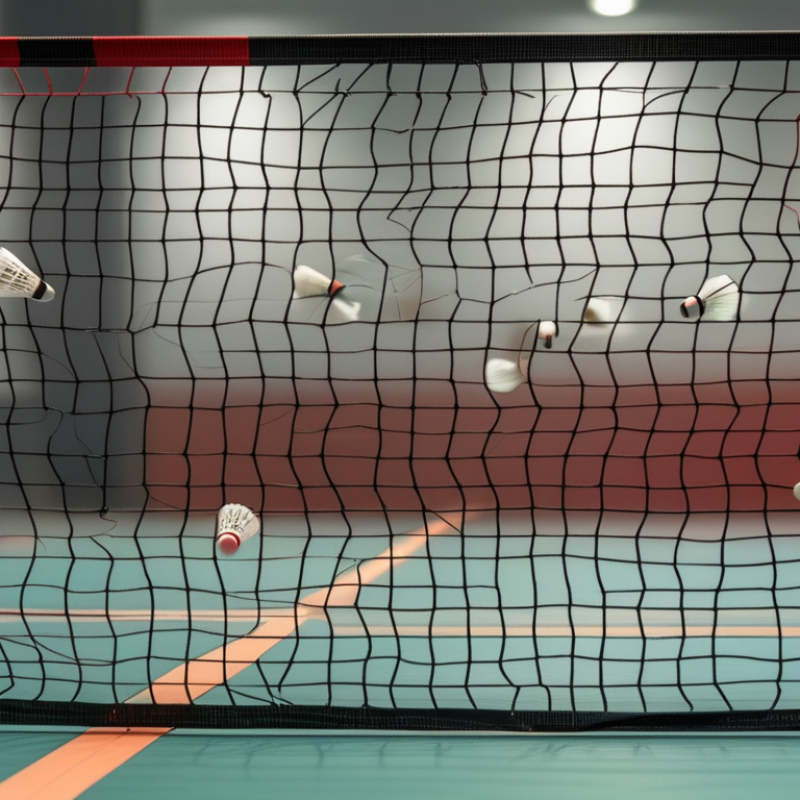
What Is a Siboasi Badminton Machine and How Does It Work?

What Is a Siboasi Badminton Machine?

What is a badminton machine? It is an automated shuttle-feeding device for repeated practice. It stores shuttles in a hopper above the launcher. Two rotating wheels grip each shuttle and control its release speed. An elevation bracket changes the flight angle. Some units also adjust frequency, direction, spin, and landing position. It is mechanical. Yet, its timing can feel surprisingly consistent.

The Badminton World Federation has cited more than 300 million badminton participants worldwide. The 2024 SFIA Topline Participation Report recorded about 7.8 million U.S. badminton participants in 2023. Fortune Business Insights estimated the global badminton equipment market at USD 1.14 billion in 2023. Its report projects a 4.73% compound annual growth rate through 2032. These figures suggest rising demand for accessible, repeatable training tools.

On court, the operator selects a feeding interval and target angle. A beginner might receive one shuttle every three seconds to practice a clear. An advanced player may set rapid feeds toward the backhand corner. During practical testing, a 10-second delay can noticeably change footwork rhythm. That detail is easy to overlook. The machine cannot read posture, fatigue, or poor preparation. It also cannot replace tactical judgment. Not perfectly human. Coaches should inspect shuttle alignment, wheel pressure, and battery condition before each session. Small setup errors can create misleading feedback.

Key Components and Their Functions

A badminton feeding machine is a training device that launches shuttlecocks at controlled angles, speeds, and intervals. Its main frame supports the hopper, firing unit, control panel, and power system. The hopper stores shuttles above the launcher. Its shape helps maintain a steady supply, although poorly placed shuttles can cause feeding gaps.

Two spinning wheels usually provide the launching force. Their speed difference changes the shuttle’s direction and flight length. A compact motor drives each wheel, while an elevation mechanism adjusts high or low shots. Some models also use a rotating base, allowing feeds across the court. These parts must work together. Small alignment errors can send shuttles several feet away from the target.

The control panel manages speed, frequency, angle, and selected drills. A digital timer may create regular intervals, while manual controls allow quick adjustments during practice. Battery packs offer easier movement, but their performance can drop in cold conditions or after repeated use. Sensors may detect wheel movement or feeding faults, yet they are not perfect. Clean wheels, dry shuttles, and regular bolt checks improve consistency. A useful court test is simple: place targets on the floor and record ten shots. If the spread is wide, reduce speed before changing the angle. This detail is often overlooked.

How the Machine Generates and Delivers Shuttlecocks

A badminton training machine stores shuttlecocks in a hopper above its launching system. Inside, a rotating feeder separates one shuttlecock at a time. A guide channel then positions the cork toward two spinning wheels. These wheels grip the shuttlecock and release it at high speed. Their rotation speed controls the shot’s pace. The launch angle controls its height and distance.

A small motor usually powers the feeder, while another motor drives the wheels. Electronic controls coordinate their timing. Some machines use sensors to detect empty spaces or feeding errors. This helps maintain a steady rhythm during drills. The result can be a high clear, a fast drive, or a softer drop shot. However, the exact flight depends on shuttlecock weight, skirt condition, and wheel pressure.

In practical use, clean alignment matters more than many players expect. A bent shuttlecock may leave the machine sideways. Dust can also reduce wheel grip. I have found that slower settings often reveal feeding problems earlier. Calibration takes patience. Even a reliable machine may not reproduce every human shot perfectly, especially at the net. That limitation is useful to remember when planning realistic training sessions.

Adjusting Speed, Direction, and Training Modes

A badminton feeding machine is an automated training device that launches shuttles at controlled intervals. It helps players repeat strokes without waiting for a partner. The machine usually stores several shuttles and releases them through a rotating feed system. A small control panel adjusts speed, distance, and delivery patterns. Place it behind the baseline for realistic practice.

Speed changes the pressure on your reaction time. A slower setting suits beginners learning contact and footwork. Increase the pace gradually as your movement becomes stable. Direction controls whether shuttles travel to the forehand, backhand, center, or deep corners. Some machines send alternating shots, while others produce random directions. Watch the racket preparation, not only the shuttle.

Training modes make practice more specific. A clear mode can develop overhead power, while a flat-drive mode sharpens defensive reactions. A multi-point mode forces movement across the court. Start with six to eight shuttles per set, then rest and review your positioning. Too much speed can create rushed swings and poor habits. I have found that perfect machine settings are less useful than consistent footwork. Still, settings may need frequent adjustment because shuttle weight, room temperature, and court space affect the flight. Check the launch angle before every serious session. Safety matters. Keep people outside the feeding zone.

What Is a Badminton Machine and How Does It Work? — Adjusting Speed, Direction, and Training Modes

A badminton shuttle machine uses powered wheels or a shuttle-feeding mechanism to launch shuttles at controlled speeds, angles, intervals, and patterns for repetitive skill practice.

Data Dimension Typical Setting or Range How the Function Works Primary Training Application
Launch speed Approximately 20–140 km/h, depending on the model and shuttle type Motor-driven wheels or a compressed-air system accelerate the shuttle before release. Lower speeds are used for beginners, while higher speeds simulate demanding rally conditions. Improving reaction time, defensive preparation, stroke timing, and power control
Feed interval About 1–10 seconds between shuttles An electronic feeder releases one shuttle at a time according to the selected interval. A longer interval allows recovery and repositioning. Developing consistency, footwork recovery, and rally endurance
Horizontal direction Left, center, right, or programmable side-to-side movement A rotating base, directional guide, or oscillation mechanism changes the launch angle across the court. Practicing forehand, backhand, center-court, and lateral movement patterns
Vertical launch angle Low, medium, or high trajectory; commonly adjustable through a multi-angle tilt Tilting the launch head changes the shuttle's flight path, allowing the machine to produce flatter drives, net-height feeds, lifts, or high clears. Training net shots, drives, clears, lifts, and overhead preparation
Shuttle trajectory Flat drive, mid-height feed, high clear, or downward attacking feed Trajectory is determined by the combination of launch speed, wheel alignment, release angle, and machine elevation. Reproducing different rally situations and improving shot selection
Oscillation mode Fixed position, horizontal sweep, vertical sweep, or combined movement The machine automatically changes its launch direction according to a programmed movement cycle. Improving court coverage, split-step timing, and movement efficiency
Random mode Randomized direction, speed, interval, or trajectory within selected limits A controller varies predefined parameters so the player cannot anticipate every feed in advance. Developing reaction skills, decision-making, and match-like responsiveness
Manual mode User-selected speed, direction, angle, and feed interval The player or coach sets individual parameters and repeats the same feed until the technique becomes consistent. Technical correction, beginner instruction, and targeted stroke practice
Programmable drill mode Multi-step sequences with different directions, speeds, and pauses Stored or user-created sequences automatically combine several feeds into a structured exercise. Practicing movement combinations such as clear–drop–smash or drive–defense transitions
Loading capacity Commonly around 100–300 shuttles, depending on hopper design A storage hopper holds multiple shuttles and transfers them into the launcher one by one. Long, uninterrupted practice sessions with fewer reloads
Shuttle compatibility Feather or nylon shuttles; the compatible type should match the machine design Shuttle material, skirt shape, weight, and condition affect feeding reliability, speed, and trajectory. Maintaining stable output and reducing feeding errors
Power source Rechargeable battery or mains electricity Electrical power drives the launch motors, feeder, control system, and directional movement mechanism. Indoor club training, coaching sessions, and portable court practice
Remote control or panel Wireless remote, wired controller, or onboard control panel Controls allow the user to start or stop feeding and adjust speed, direction, interval, and training mode without manually repositioning the machine. Efficient solo practice and coach-led adjustments
Safety controls Emergency stop, protective housing, stable base, and controlled startup Safety features help prevent accidental launches and reduce contact with moving wheels or feeder components. Safer use during individual practice and supervised training

Note: Actual speed ranges, loading capacity, trajectory options, and control functions vary by machine design, shuttle material, court conditions, and user settings.

Common Uses and Safety Considerations

A programmable badminton machine launches shuttlecocks at adjustable speeds, angles, and intervals. Its wheel system grips each shuttle and releases it toward a selected court area. Players can practise clears, drops, smashes, and defensive returns without a feeding partner. Some models store repeated drills, which helps coaches measure consistency. The machine is useful, but it cannot read fatigue or poor technique.

Its most common use is structured repetition. A player may stand near the rear court and receive one shuttle every three seconds. Another drill sends shuttles alternately to both sidelines. This supports footwork, reaction speed, and solo training. The World Health Organization’s 2022 Global Status Report on Physical Activity found that 31% of adults were insufficiently active in 2020. Regular court practice can support movement goals, although a machine should not replace varied exercise.

Safety requires more attention than many advertisements suggest. Inspect the launch area before switching it on. Keep people behind the safety line. Wear court shoes, secure loose clothing, and collect scattered shuttles carefully. Beginners should start with low speed and wider placement. The National Safety Council’s Injury Facts reports millions of sports and recreation injuries requiring emergency treatment each year in the United States. That figure is broad, but it deserves respect. I have seen players focus on the next shot while ignoring tired footwork. That mistake is common. Stop when balance, timing, or concentration begins to fade.

Skip to content