
Cart

What Is a Tactical Watch and How Does It Work?

A Tactical Watch is more than a dark case, oversized numerals, or a military-looking strap. It is designed for clear decisions under pressure, whether you are hiking through rain, working outdoors, or checking time with gloved hands. The label remains flexible. There is no single global definition.

Market data shows why this category deserves closer attention. Counterpoint Research reported that global smartwatch shipments increased in 2024, reflecting stronger demand for health, navigation, and outdoor functions. Grand View Research also projects continued growth in the global smartwatch market through the decade. However, these reports rarely isolate Tactical Watch sales. That gap matters. A rugged smartwatch and a professional field watch may serve similar users, yet they work differently.

Kikuo Ibe, the engineer behind G-SHOCK, once explained his design goal simply: “I wanted to make a watch that would not break, even if it was dropped.” That principle still shapes tactical design. A Tactical Watch may combine shock resistance, luminous hands, a protected crown, high water resistance, GPS, an altimeter, and a long-lasting battery. Its buttons should remain usable in cold rain. Its display should stay readable beside a bright window or under a weak headlamp. Some models depend on quartz accuracy; others use sensors and software that require charging and calibration. No feature is perfect. That is the uncomfortable part. Before choosing one, consider your real environment, wrist comfort, battery habits, and the reliability of its data. The toughest-looking watch may still be the wrong tool.
What Is a Tactical Watch and How Does It Work?

What Defines a Tactical Watch?

A tactical watch is defined less by appearance than by dependable performance under pressure. It is built for clear reading, controlled movement, and practical timing. A strong case protects the movement from shocks, dust, and sudden temperature changes. Water resistance matters, but its rating is not a promise for every activity. Seals age. They need testing.

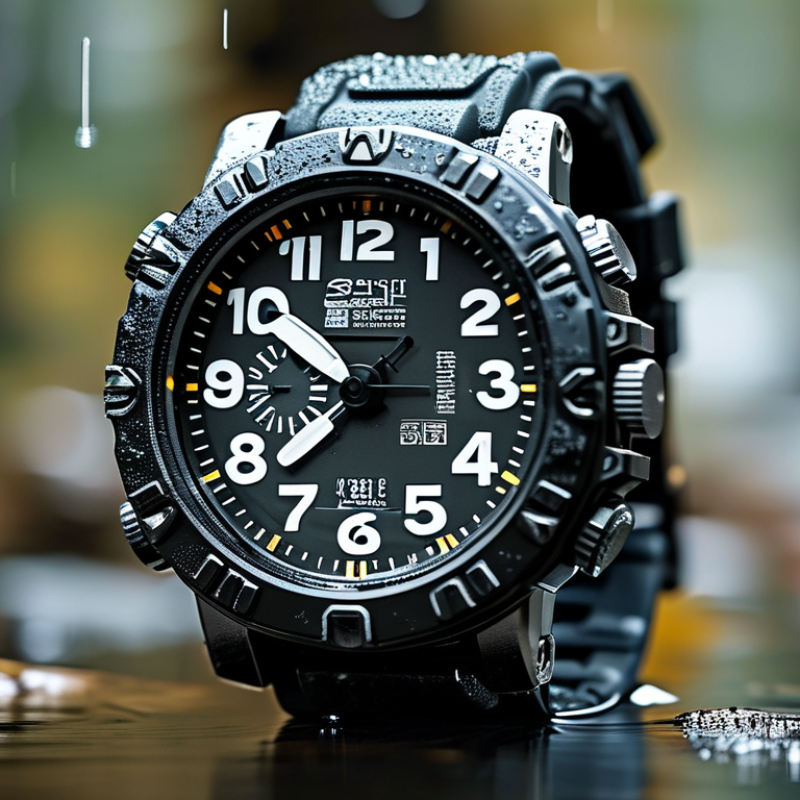
The dial usually favors contrast, restrained markings, and hands visible in weak light. Some models use luminous material, though brightness fades with time. A secure strap and guarded crown reduce accidental adjustments. Reliable quartz movements offer precise timing with little maintenance. Mechanical movements can be valued for repairability, but they need regular winding or wearing. Neither choice is automatically superior. It depends on the user.

A tactical watch also earns its name through usability. Buttons should work with gloves, yet resist accidental presses. The case should sit firmly without restricting wrist movement. Extra scales, alarms, or digital sensors help only when they solve real problems. I have found that oversized features can slow quick reading. That weakness is often overlooked. Certification and test records provide stronger evidence than rugged language on packaging. Even then, field conditions can exceed laboratory assumptions, so periodic inspection remains sensible.

How Tactical Watches Are Designed for Demanding Conditions

A tactical watch is built for demanding conditions, not just a rugged appearance. Its design prioritizes quick reading during movement, darkness, rain, and cold weather. Large markers, high-contrast hands, and controlled illumination reduce reading errors. A protected crown helps prevent accidental adjustments. The case also needs resistance against shocks, dust, and sudden temperature changes. Small details matter here.

Reliable operation depends on the movement inside. Quartz systems usually provide steady accuracy and simple maintenance. Mechanical systems can work well, but they may require more careful servicing after repeated impacts. A strong crystal resists scratches, while water resistance protects internal parts from heavy rain and brief immersion. However, water ratings are laboratory measurements. A worn seal can reduce protection.

Comfort is part of performance. A watch that slips under a sleeve or cuts the wrist can become a distraction. Durable straps, secure fasteners, and low-profile edges help during climbing, driving, or long outdoor work. Practical testing should include gloves, wet hands, sudden knocks, and poor visibility. I have found that excessive features sometimes slow down basic time reading. No design is perfect. The best tactical watches balance toughness, clarity, accuracy, and quiet confidence under pressure.

Key Features and Technologies in Tactical Watches

What Is a Tactical Watch and How Does It Work?

A tactical watch combines timekeeping with navigation, environmental sensing, and impact resistance. Its key technologies include GNSS positioning, a digital compass, an altimeter, and a barometer. These sensors help users estimate direction, elevation, weather changes, and route distance. However, readings are not always perfect. A compass may drift near steel structures, while altitude can change with air pressure.

Power management is equally important. Solar charging can extend battery life, while low-power modes reduce screen updates and wireless activity. A 2024 Grand View Research report estimated the global smartwatch market at about US$33.6 billion in 2023, with strong growth expected through 2030. This wider market supports faster sensor development, but market growth does not guarantee field reliability. Users should examine testing claims carefully. Military-style durability testing may reference MIL-STD-810H, yet test conditions differ between manufacturers.

Tips: Calibrate the compass outdoors. Keep the watch away from magnets. Use a clear sky view for better GNSS accuracy. Check weather alerts separately. A barometer predicts pressure trends, not exact local weather. Battery estimates also vary in cold conditions, especially during continuous tracking. In my experience, simple controls often matter more than extra functions. A complicated menu can slow decisions when gloves, rain, or fatigue reduce precision.

How Tactical Watches Support Field Operations and Outdoor Activities

What Is a Tactical Watch and How Does It Work?

How Tactical Watches Support Field Operations and Outdoor Activities

A tactical watch combines timekeeping with practical field information. It may include a compass, barometer, altimeter, thermometer, stopwatch, and backlight. These tools help users read direction, elevation, weather pressure, and elapsed time without opening a phone. Many models use quartz or digital movements for stable accuracy. Solar charging can also reduce battery changes during extended trips. Still, electronic sensors are not magic.

During field operations, clear displays and raised controls matter. A user wearing gloves can adjust a timer or activate illumination more easily. A matte case can reduce unwanted reflections. Water resistance and shock-tested construction support movement through rain, dust, and uneven ground. The U.S. Department of Defense MIL-STD-810H describes environmental tests for vibration, humidity, temperature, and shock. Passing such tests does not guarantee every real-world situation. Testing conditions and daily wear differ.

Outdoor participation makes these functions relevant. The Outdoor Industry Association’s 2024 report recorded 175.8 million U.S. participants aged six and older in 2023. Hikers, guides, and emergency crews may use a watch to check daylight, pace, or changing pressure. A falling barometer can suggest deteriorating weather, but it cannot replace a forecast. Compass readings may drift near vehicles or metal structures. I have found that users often trust convenience too much. A paper map, spare power source, and basic navigation training remain sensible. Small habits matter.

Choosing a Tactical Watch for Specific Needs

A tactical watch is built for demanding outdoor, work, and emergency-readiness situations. It usually combines a readable display, strong case materials, water resistance, and practical timing functions. Some models include a compass, altimeter, barometer, backlight, or navigation support. These features matter only when they match your actual routine. A weekend hiker may need simple navigation and a durable strap. A field technician may value alarms, countdown timers, and clear readings in poor light. No watch does everything well.

Choosing a tactical watch starts with your environment. For cold conditions, check whether the buttons remain usable with gloves. For wet locations, review the stated water-resistance rating carefully. If you work near dust or mud, sealed controls and a scratch-resistant crystal become more important. Battery life also deserves attention. Frequent charging can become inconvenient during long trips. A common mistake is choosing the most feature-rich model instead of the most useful one. More functions can mean more weight, learning time, and failure points.

Tips: Write down three daily needs before shopping. Test the screen under direct sunlight and low light. Check the strap for comfort after several hours. Read independent reviews, but compare testing conditions. Sensor accuracy can change with weather, altitude, and user technique. Keep expectations realistic. A reliable tactical watch supports decisions; it does not replace training, maps, or careful judgment.

Skip to content