Top Diesel Engine Oil Brands for Global Buyers Guide?
When it comes to maintaining diesel engines, the importance of high-quality Diesel Engine Oil cannot be overstated. This essential lubricant ensures optimal performance and longevity, particularly in heavy-duty applications. In recent years, a growing number of brands have emerged on the global market, each promising superior protection and efficiency.
Choosing the right Diesel Engine Oil involves navigating numerous options. Buyers must consider various factors, including viscosity, additives, and brand reputation. Some brands excel in specific applications, while others may have limited recognition. Understanding these aspects is crucial for making an informed decision.
Some users may overlook the significance of product certifications, leading to subpar choices. It's vital to weigh each brand's technical specifications and real-world performance. A comprehensive guide can enhance understanding and assist buyers in selecting the best Diesel Engine Oil for their needs.
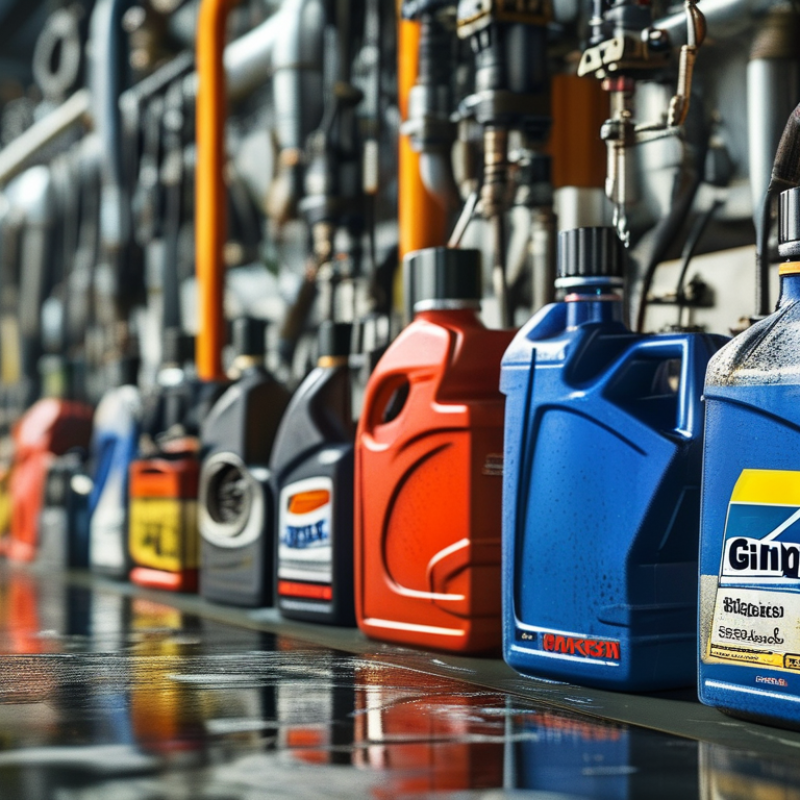
Overview of Diesel Engine Oils and Their Importance
Diesel engine oils play a crucial role in the performance and longevity of heavy-duty vehicles. They are specifically formulated to withstand extreme conditions. These oils reduce friction and provide necessary lubrication to engine parts. Additionally, they help prevent deposits from forming, which can lead to engine wear over time. Regular maintenance using the right diesel engine oil is essential for optimal engine health.
Choosing suitable diesel engine oil is not always straightforward. Various factors, such as climate, engine design, and usage patterns, influence the choice. Users often overlook the viscosity grade, which is critical for proper lubrication. An oil that is too thick may not flow well in cold conditions, while one that is too thin could fail under high heat. These choices require careful thought and research.
These oils also contribute to fuel efficiency. A well-lubricated engine operates efficiently, capturing more of the energy produced during combustion. Diesel engines inherently produce more soot and sludge, making the choice of oil even more significant. Neglecting oil quality can lead to increased fuel consumption and higher emissions. This reflects the importance of informed decision-making when selecting diesel engine oils.
Key Features to Look for in Diesel Engine Oils
When selecting diesel engine oils, several key features warrant careful consideration. Viscosity grade is crucial. It determines how well the oil flows at different temperatures. High-quality oils maintain their viscosity, even under extreme conditions. This ensures better engine protection and performance.
Additionally, look for oils with advanced additive packages. These additives enhance engine cleanliness, reduce wear, and improve oxidation stability. A balanced formulation helps prevent sludge buildup. Wear protection is another essential feature. It significantly influences the lifespan of engine components. Regular use of appropriate oils can contribute to long-term engine health.
While many oils claim high performance, it's important to evaluate them critically. Not all oils perform well under stress. Real-world tests are essential to validate their claims. Potential buyers should research user reviews and professional evaluations. This approach helps in making informed decisions. Balancing performance with cost is often challenging. Reflecting on these aspects can lead to better choices.
Top Global Brands of Diesel Engine Oil: A Comparative Analysis
When selecting diesel engine oil, it's crucial to understand the differences among the top global brands. Each brand has unique formulations designed for specific engine types. Factors such as viscosity, additive packages, and performance ratings can significantly influence engine longevity. For instance, some oils are better at preventing wear under high temperatures. Others excel in cold-start conditions.
Tips: Always check the API rating on the oil container. This ensures compatibility with your engine. Regularly monitoring oil levels and condition can prevent major engine issues.
Another consideration is the oil change interval recommended by manufacturers. Many users change oil too infrequently. This can lead to engine deposits and reduced efficiency. Consult your owner’s manual for precise guidelines.
Tips: If in doubt, consult a professional. They can recommend the best oil based on your driving conditions. Understanding the specifications can help you make an informed choice. Quality matters when it comes to engine performance and durability.
Top Global Brands of Diesel Engine Oil: A Comparative Analysis
| Property | Brand A | Brand B | Brand C | Brand D |
| API Rating | CK-4 | CJ-4 | CK-4 | CJ-4 |
| Viscosity Grade | 15W-40 | 10W-30 | 5W-40 | 10W-40 |
| Main Additives | Zinc, Phosphorus | Molybdenum, Calcium | Boron, Magnesium | Sodium, Zinc |
| Performance Benefits | Fuel Economy, Wear Protection | High Temperature Stability | Cleaner Engine | Oxidation Resistance |
| Price per Gallon | $24.99 | $19.99 | $22.50 | $20.00 |
Factors Influencing Diesel Engine Oil Selection for Buyers
Choosing the right diesel engine oil involves several critical factors. One major consideration is the oil viscosity grade. For example, a report from the American Petroleum Institute highlights that using the correct viscosity can improve engine efficiency by 2-3%. This aspect is crucial for buyers, especially in varying temperature conditions.
Another essential factor is the oil’s performance specifications. Buyers should look for products that meet or exceed industry standards, such as those set by the American National Standards Institute. A study by the Society of Automotive Engineers emphasizes that oils meeting high standards can significantly reduce wear and tear on engine components. This means longer engine life and more reliable performance.
Additionally, the base oil type matters. Synthetic oils often outperform conventional oils in terms of stability and performance. According to a report by the National Lubricating Grease Institute, synthetic oils can withstand higher temperatures and resist oxidation better. However, buyers must weigh the higher cost of synthetic oils against the potential long-term savings in maintenance. Each factor plays a significant role in ensuring optimal engine performance, encouraging buyers to make informed decisions.
Top Diesel Engine Oil Brands Analysis
Trends in Diesel Engine Oil Technology and Future Developments
The diesel engine oil industry is witnessing significant advancements. Recent studies indicate that synthetic oils, which enhance engine performance and fuel efficiency, dominate 60% of the global market. As environmental regulations tighten, the demand for low-SAPS (sulfated ash, phosphorus, and sulfur) oils is rising. This trend reflects the need for better emissions control and protection of diesel particulate filters.
Innovations such as advanced additive technologies are key. They improve lubrication and reduce wear, which can extend engine life. Reports show that oils with a higher viscosity index offer better performance across temperature extremes. Users are increasingly interested in oils that provide longer oil change intervals without compromising engine health.
Nevertheless, there are challenges. Choosing between conventional and synthetic oils can be confusing for buyers. Environmental impact remains a critical factor, prompting many companies to invest in eco-friendly formulations. Future developments will likely focus on balancing performance, cost, and sustainability. Understanding these trends is essential for making informed choices in a rapidly evolving market.