China Best Physiotherapy Electric Machine Manufacturers?
China’s physiotherapy equipment sector serves clinics, hospitals, rehabilitation centers, and home-care providers. A Physiotherapy Electric Machine may deliver electrotherapy or support other treatment protocols, but product claims should be checked against clear specifications and clinical needs. Buyers should look beyond polished catalogs. Electrode placement diagrams, adjustable output settings, treatment timers, and readable control panels matter during daily use.
The World Health Organization’s 2023 rehabilitation fact sheet estimates that 2.4 billion people worldwide could benefit from rehabilitation. That figure describes broad rehabilitation needs, not demand for electrical devices alone. It still shows why reliable equipment and informed procurement matter. The WHO also states, “Rehabilitation is an essential part of universal health coverage.” WHO Director-General Dr. Tedros Adhanom Ghebreyesus has used this principle to emphasize rehabilitation’s role in health systems.
This guide examines Chinese manufacturers through practical criteria: product range, documented testing, technical support, customization, and communication after delivery. Buyers should request manuals, device specifications, warranty terms, and evidence supporting stated performance. A low quotation may look attractive; replacement parts and service response can change the real cost. Market descriptions can be vague, too. The strongest supplier is not automatically the largest one. It is the one that can explain what its machine does, where its limits lie, and how it supports users when a control or cable fails.
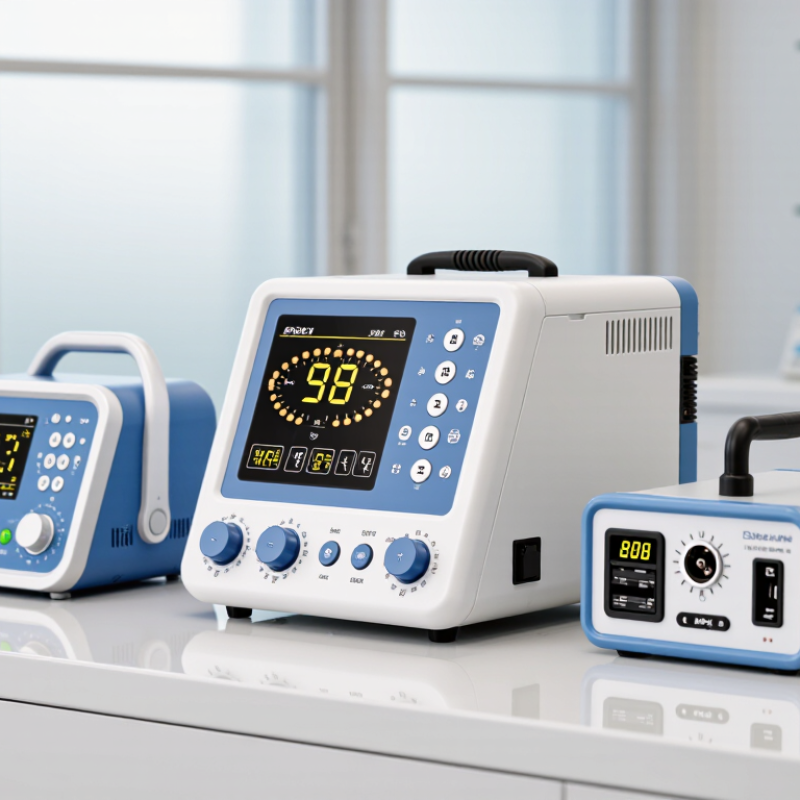
What Are Physiotherapy Electric Machines and How Are They Used?
Physiotherapy electric machines deliver controlled electrical currents through adhesive electrodes placed on the skin. They are used by trained clinicians as part of rehabilitation, not as a universal fix. Common types include transcutaneous electrical nerve stimulation (TENS) and neuromuscular electrical stimulation (NMES). TENS may help manage some kinds of pain, while NMES prompts targeted muscles to contract. The sensation is usually tingling. It should not feel sharply painful. Responses vary, and evidence for benefit depends on the condition and treatment plan.
During a session, a therapist checks the treatment area, positions the electrodes, and adjusts the intensity gradually. A patient might feel a gentle pulse in the thigh while seated, for example. The numbers on a screen can look precise, but they do not tell the whole story. Comfort, movement, and clinical goals matter too. Skin should be checked before and after use, especially if sensation is reduced. People with implanted electronic devices or other relevant health conditions should discuss suitability with a qualified clinician before treatment. These machines work best as one part of care, alongside appropriate exercise and follow-up.
Which Types of Physiotherapy Electric Machines Are Made in China?
China-made physiotherapy electric machines cover several distinct treatment categories. Common options include TENS and EMS units for electrical stimulation, therapeutic ultrasound devices, infrared heat lamps, low-level laser equipment, magnetic-field systems, and electric traction tables. Some manufacturers also produce combination units that connect two or more modalities. The World Health Organization’s 2023 rehabilitation fact sheet estimates that 2.4 billion people worldwide could benefit from rehabilitation, underscoring the need for equipment suited to varied clinical settings. That figure describes rehabilitation needs, not device sales.
The machines differ in how they deliver energy and what clinicians use them for. A TENS unit sends pulses through adhesive electrodes; an ultrasound head moves across gel-covered skin. A traction table adjusts slowly under supervision. Shockwave systems are another category, though their mechanism and clinical use differ from standard electrotherapy. Product labels can blur these distinctions. Check the output parameters, treatment accessories, safety documentation, and service support rather than relying on a broad “physiotherapy machine” description.
Tips: Match the device to a defined treatment protocol, and confirm staff training and maintenance needs before purchase. Ask for test reports and operating instructions. A low price alone tells little. Even capable equipment may sit unused if setup is complicated or replacement parts are difficult to obtain.
How Is China’s Physiotherapy Equipment Manufacturing Sector Organized?
China’s physiotherapy equipment sector is organized around a layered supply chain. Component suppliers provide circuit boards, cables, electrodes, and housings. Specialized factories assemble devices for electrical stimulation, ultrasound, heat therapy, or rehabilitation training. Some manufacturers manage design and production in-house, while others coordinate contract production. The structure varies by product.
This division can support flexible production, but it may blur responsibility for final checks. A reliable supplier should explain how devices are assembled, tested, and documented. Ask about electrical safety checks, batch traceability, calibration procedures, and staff training. Request clear product specifications, too. A polished catalogue is not proof of consistent quality. Real details matter.
Tips: Compare suppliers by product category, not just price. Ask who performs final testing and what records are available. Check that instructions explain intended use, maintenance, and limitations. If answers are vague, pause. Supply chains can be complicated, and even careful buyers may miss a detail.
What Criteria Help Identify Leading Chinese Manufacturers?
A leading Chinese physiotherapy electric machine manufacturer should prove more than production capacity. The WHO’s 2023 Rehabilitation Fact Sheet estimates that 2.4 billion people worldwide may benefit from rehabilitation. That need makes reliable equipment important, but market demand alone does not prove product quality. Ask for a current ISO 13485 quality-management certificate, device-specific test records, and clear documentation of applicable market approvals. For electrical safety and electromagnetic compatibility, check whether testing covers relevant IEC 60601 standards. Paperwork should match the exact model you plan to buy.
Technical details matter on the treatment room floor. Request output measurements for intensity, frequency, and pulse width, plus calibration records and instructions for safe use. Ask how the manufacturer controls components, investigates defects, and provides spare parts after delivery. A factory audit can reveal whether staff actually follow written procedures. Look closely at traceability. It is easy to overlook. Also review clinical evidence for the intended use; a persuasive brochure is not clinical proof. I would compare sample units under the same settings, then check whether measured outputs remain stable. Even this test has limits: one sample cannot represent every production batch. A dependable supplier should explain those limits plainly and share verifiable records, not only promise a low price.
How to use this chart: Compare manufacturers against these criteria using documented evidence such as certificates, test reports, product specifications, and service terms. The percentages are suggested buyer-evaluation weights, not measured market statistics or ratings of specific manufacturers.
How Can Buyers Compare Manufacturers and Verify Product Quality?
When comparing physiotherapy electric machine manufacturers, look beyond catalog photos and quoted prices. Ask each supplier for the intended use, output ranges, electrode options, and operating instructions. A clear specification sheet should state measurable parameters, such as frequency and intensity, rather than relying on phrases like “professional grade.” Numbers can mislead. Check that the details match across the quotation, manual, and product label.
Request test reports for electrical safety and electromagnetic compatibility, and confirm which model and configuration each report covers. Ask how finished units are inspected, how calibration is handled, and whether serial numbers support traceability. If possible, evaluate a sample with a qualified practitioner using the supplier’s documented procedures. Note whether controls are easy to adjust, the display remains readable, and cables feel secure after repeated handling. Ask for evidence. A certificate alone may not answer every practical question.
Manufacturer visits or video audits can reveal production controls, incoming-part checks, and staff training, but a polished tour is not proof of consistent quality. Ask to see inspection records and how defects are logged and corrected. Compare warranty terms, spare-part availability, response times, and training materials in writing. I would not treat the lowest price as a quality verdict; still, I have seen buyers overvalue paperwork and overlook usability. That judgment needs checking against the device itself and the needs of its intended users.