
Specialty Metal & Fiberglass Products
ISO 9001:2015 Certified
Cart
What Are the Top Iron Ball Valve Manufacturers in China?
Choosing an Iron Ball Valve manufacturer in China involves more than comparing quoted prices. Buyers need to match valve design, materials, pressure ratings, and end connections to the actual service conditions. A valve used on a water line may face different demands from one handling oil, gas, or abrasive media. The details matter.
A useful manufacturer review looks for clear product data, consistent inspection records, and evidence of production capability. Check the body and ball materials, seat options, size range, and stated pressure-temperature limits. Ask how the supplier verifies sealing performance and dimensional accuracy. Certifications can help, but they should be checked for scope, validity, and relevance to the specific product. A polished catalogue alone is not enough.
This guide examines Chinese manufacturers through practical factors such as product range, quality controls, export experience, customization, and communication. It also considers how buyers can verify claims before placing an order, including requesting drawings, test reports, and sample documentation. These checks cannot remove every risk. They can, however, reveal gaps early. Some comparisons remain imperfect because suppliers publish different levels of detail, and not every factory is suited to every project. A careful shortlist should reflect the application, not just a ranking.
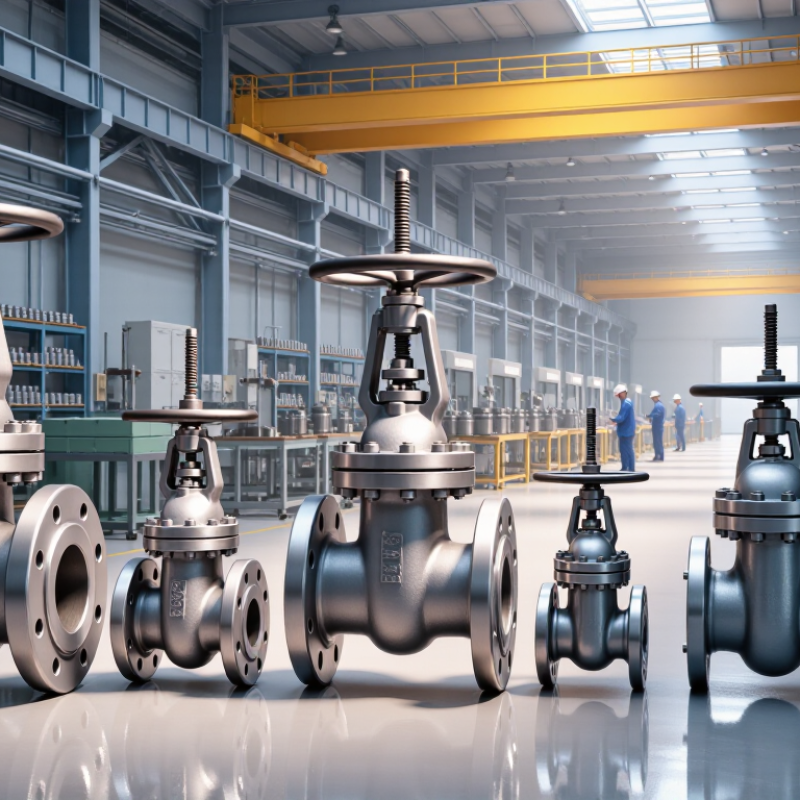
Understanding Iron Ball Valves and Their Industrial Applications
An iron ball valve typically has a cast-iron body and a rotating, bored ball that opens or isolates flow. Its quarter-turn action is quick, while a full-bore design can reduce pressure loss when fully open. These valves are commonly used in water distribution, HVAC loops, cooling circuits, and selected low-pressure industrial lines. Fit matters. Body grade, seat material, pressure class, temperature, and fluid chemistry all affect service suitability. A valve suitable for clean water may not withstand abrasive slurry or corrosive process fluids.
The U.S. Department of Energy’s Improving Pumping System Performance sourcebook reports that pumping systems use nearly 20% of global electricity and 25–50% of energy in some industrial plants. This makes flow-control choices worth examining, though a valve alone cannot solve an inefficient pumping system. The UN World Water Development Report 2024 estimates that agriculture accounts for about 70% of global freshwater withdrawals. That figure is not a valve-market estimate, but it shows the scale of water-management demands.
A ball valve is primarily an isolation device, not an automatic choice for continuous throttling. Leaving it partly open can increase turbulence and wear at the seat. Operators should compare the valve’s pressure and temperature ratings with actual operating conditions, then inspect seals and connections during maintenance. The less tidy part: site conditions change, and a specification sheet cannot reveal every source of vibration, sediment, or pressure surge.
What Are the Top Iron Ball Valve Manufacturers in China? - Understanding Iron Ball Valves and Their Industrial Applications
General industry reference: specifications vary by design, applicable standard, pressure class, and manufacturer. This table describes common selection considerations and does not rank or identify individual manufacturers.
| Dimension | Typical Information | Industrial Relevance |
|---|---|---|
| Body material | Common options include gray cast iron and ductile (nodular) iron. The exact grade should be specified on the product documentation. | Material choice affects strength, corrosion performance, pressure suitability, and installation requirements. |
| Nominal size | Commercial ranges vary; many general-purpose designs are offered in sizes from small-bore connections through larger pipeline sizes. Confirm the actual DN or NPS range for each design. | Sizing must match the pipeline, required flow, connection type, and available installation space. |
| Pressure rating | Ratings are design- and standard-dependent. PN 10 and PN 16 are common nominal pressure designations in some water-service product ranges; they are not interchangeable with every class designation. | Check the pressure-temperature rating and the applicable flange or valve standard before specifying a valve. |
| Temperature limits | The allowable range depends on the seat, seals, body design, and fluid. PTFE and elastomer seat options have different temperature and chemical limits. | Verify the manufacturer’s stated limits for the actual medium and operating conditions rather than relying on a generic range. |
| Ball and seat design | A quarter-turn ball provides on/off control. Port design may be full-bore or reduced-bore; seats and seals are selected to suit the service. | Full-bore designs can reduce flow restriction, while seat material and design influence sealing, operating torque, and service life. |
| End connections | Common configurations include flanged, threaded, and other design-specific connections. Dimensions and facing must match the piping standard. | Confirm face-to-face dimensions, flange drilling, pressure designation, and connection compatibility during procurement. |
| Actuation | Smaller or manually operated valves may use a lever or gear operator. Larger valves and automated systems may use electric or pneumatic actuators. | Actuator selection depends on valve torque, operating frequency, control needs, and available power or instrument air. |
| Protective finish | Coatings such as fusion-bonded epoxy or liquid epoxy are used on some iron valves. Coating type and thickness are product-specific. | Coating selection should reflect the external environment, fluid-contact requirements, and applicable project specifications. |
| Water and HVAC service | Iron-bodied ball valves may be used for suitable water, heating, ventilation, and air-conditioning systems when the rated pressure, temperature, and materials match the service. | Typical duties include pipeline isolation and equipment shutoff; confirm suitability for treated water, glycol mixtures, or other additives. |
| Wastewater and utility systems | Application depends on solids content, corrosion conditions, valve passage, and seat design. Not every standard ball valve is suitable for abrasive or debris-laden fluid. | Review the fluid composition and maintenance needs; consider blockage and wear risks when selecting the port and valve type. |
| Manufacturer evaluation | Compare documented material grades, applicable standards, pressure and temperature ratings, inspection records, traceability, and available test documentation. | A verifiable technical datasheet and evidence of quality control are more useful for selection than an unsupported ranking. |