Top Plastic Jerry Can 5 Ltr Manufacturers for Global Buyers
A Plastic Jerry Can 5 Ltr may look simple, but small design choices can affect filling, handling, storage, and transport. For global buyers, choosing a manufacturer means looking beyond price and catalog photos. Resin quality, wall consistency, cap fit, and handle comfort all deserve attention. So does the can’s stability when filled and placed on a shelf. A useful supplier should explain these details clearly and provide specifications buyers can review. A glossy catalog is not enough.
This guide introduces manufacturers serving different markets and production needs. It also highlights practical questions to ask, such as whether samples are available, how quality checks are performed, and what customization options can be supported. Buyers may need details on packaging, lead times, export experience, and product documentation. Requirements vary by destination and intended use, so confirm relevant specifications with the supplier before ordering. That step can be easy to overlook. It matters.
No single manufacturer is right for every buyer. A compact workshop may prioritize flexible order quantities, while a large distributor may focus on steady capacity and consistent batches. Even a well-made can may not suit every filling line or storage setup. Compare evidence, request clear answers, and assess how reliably a supplier communicates. The following overview offers a starting point, not a substitute for checking samples and specifications yourself.
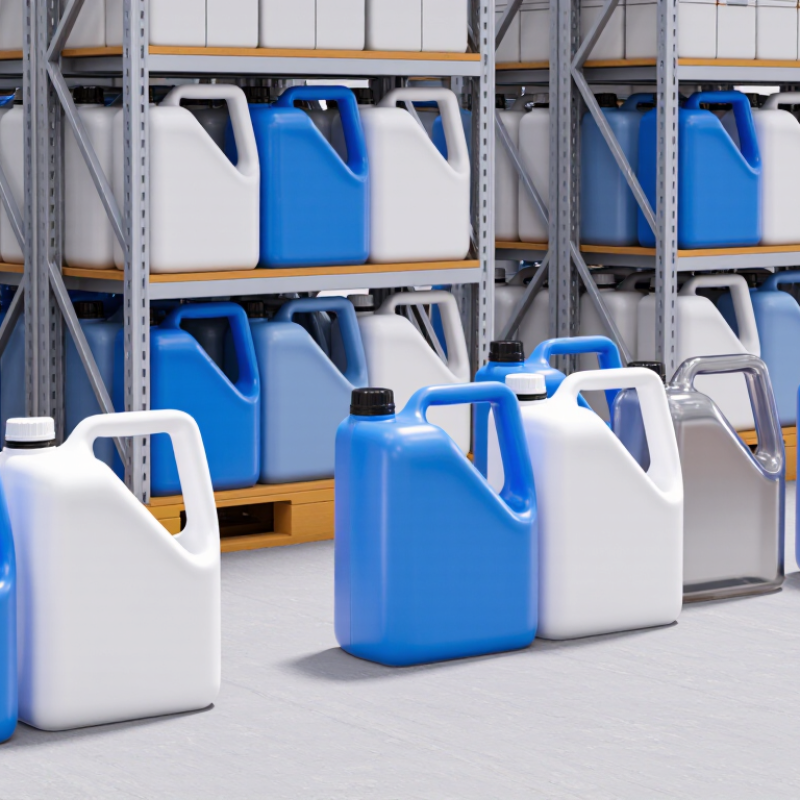
What Defines a 5-Liter Plastic Jerry Can
A 5-liter plastic jerry can is defined by more than the number printed on its side. Its stated capacity describes a nominal volume, while the container may need extra headspace to allow for filling and movement. Buyers should check both usable capacity and external dimensions, especially when cans must fit shelves, cartons, or vehicle storage.
Material and construction shape everyday performance. High-density polyethylene is common because it is lightweight and resists many impacts, but compatibility depends on the liquid, temperature, and storage period. The body should feel evenly formed, with no thin corners or rough seams. A balanced handle helps when carrying a full can. Small details matter. A well-fitting cap and suitable liner help reduce leakage, though the closure still needs proper tightening.
Reliable specifications also include neck size, wall thickness, and whether the can is designed for stacking. Ask suppliers about leak checks and drop testing under relevant conditions; test results are more useful when the method is stated. For sensitive contents, confirm the material and closure are appropriate for the intended use rather than assuming every plastic can is suitable. I would also inspect a sample: drawings rarely show how comfortable the handle feels with wet hands. That can be overlooked.
Top Plastic Jerry Can 5 Ltr Manufacturers for Global Buyers — What Defines a 5-Liter Plastic Jerry Can?
A 5-liter jerry can is defined by its nominal liquid capacity, material, shape, and closure—not by resin density alone. The chart compares typical density ranges for common packaging plastics; HDPE is widely used for rigid containers, while material suitability depends on the product and application.
Typical resin density ranges at room temperature, in g/cm³; actual values vary by grade. Before purchasing, verify the can’s capacity, wall thickness, closure compatibility, chemical compatibility, and any required transport certification.
How Manufacturers Design and Produce Jerry Cans
Designing a 5-liter plastic jerry can starts with its intended use. Manufacturers consider the liquid, filling method, storage conditions, and handling needs before shaping the container. Resin selection matters because stiffness, impact resistance, and chemical compatibility can vary. One material does not suit every application. Buyers should confirm compatibility with the actual contents rather than relying on appearance alone.
In blow molding, heated plastic is formed inside a mold using air pressure. The mold defines the can’s profile, grip, neck, and base. Engineers check wall thickness, especially around corners and the handle, where uneven material can weaken the container. Small details matter. A cap must fit securely, while the opening should allow practical pouring without an awkward tilt. Cooling and trimming also affect the finish; rough edges or a distorted neck can complicate filling.
Quality checks may include dimensions, visual inspection, closure fit, and leak testing. Production samples can reveal problems before larger orders move forward. Still, no test removes every risk. A lighter can may reduce shipping weight, but it can also feel less sturdy in daily handling. That trade-off deserves honest discussion. Global buyers can request technical specifications, sample units, and clear guidance on storage and use before approving a design.
Key Standards for Global Jerry Can Suppliers
Top Plastic Jerry Can 5 Ltr Manufacturers for Global Buyers: Key Standards for Global Jerry Can Suppliers
Global buyers should assess more than price and appearance when sourcing 5-litre plastic jerry cans. Ask suppliers for documented checks on leakproofness, drop resistance, stacking strength, handle security, and closure fit. Test requirements depend on the can’s design and intended use, so request reports for the exact model—not a similar product. ISO 9001 certification can indicate a documented quality-management system, but it does not certify the can itself. Check batch records and material specifications, too.
Environmental claims deserve equal scrutiny. The OECD’s Global Plastics Outlook (2022) estimated that 353 million tonnes of plastic waste were generated worldwide in 2019, with only 9% ultimately recycled. Buyers can ask for evidence supporting recycled-content claims and confirm that materials suit the intended contents and destination-market requirements. A supplier’s certificate is useful, but it is not a substitute for independent test results. Small gaps in traceability can become costly later.
Tips: Request samples from a current production batch. Fill one, inspect the cap seal, then check for deformation after handling. Ask who performed each test and when. One honest limitation: a sample check cannot predict every shipment, but it can reveal obvious weaknesses.
Leading 5-Liter Jerry Can Manufacturers and Their Capabilities
For global buyers, a capable 5-liter jerry can manufacturer should offer more than a familiar shape. Consistent wall thickness helps reduce weak spots around corners and the handle. Ask whether production uses controlled molding conditions and routine dimensional checks. Small differences matter.
Material selection affects stiffness, impact resistance, and performance during storage. Manufacturers should explain their resin options and provide clear specifications for the container, cap, and neck finish. Useful quality checks may include leak testing, visual inspection, and sample evaluation under agreed conditions. Ask how defects are recorded and addressed, not only how many units a line can produce.
Customization can include color, cap style, surface finish, and printed or molded identification. These choices may affect tooling, lead time, and minimum order quantities, so request details early. Export experience also matters: sturdy cartons, pallet planning, and accurate packing records can reduce handling problems. A polished brochure is not proof of reliable output. Request recent samples, test documentation, and a realistic production schedule. Then compare the answers. Even careful suppliers can have occasional inconsistencies, and buyers should leave room for independent checks before approving a large order.
How Buyers Compare Suppliers, Costs, and Delivery Options
When comparing suppliers of 5-litre plastic jerry cans, look beyond the unit price. Ask for the resin type, wall thickness, dimensions, cap design, and product weight. These details affect durability, storage, and handling. Fit matters. Request a sample and check that it stands steadily, closes properly, and pours without awkward drips. Ask what quality checks are performed, including checks for leaks. A stated production capacity is useful, but it does not guarantee consistent results across a large order.
Compare quotes on the same basis. Confirm whether prices include caps, labels, packaging, sample fees, and any tooling charges. Small costs can add up. Ask for a written breakdown, plus the minimum order quantity and payment terms. Delivery needs equal attention: request estimated production time, shipping method, freight cost, and the named delivery point. A cheaper offer may take longer or leave more transport arrangements to the buyer. I would not treat a spreadsheet as the whole answer; it can miss delays around sampling or packaging approval. Keep key specifications and delivery dates in writing, and ask suppliers to flag changes early.