Cart

What Are the Top Types of Steel Wire Mesh?

Choosing the right steel wire mesh begins with understanding how it will perform in real conditions. A mesh panel may look simple, yet its wire diameter, opening size, and manufacturing method affect strength, airflow, visibility, and installation. Welded wire mesh offers rigid, evenly spaced intersections, making it useful for fencing, cages, partitions, and concrete reinforcement. Woven wire mesh bends more easily and can provide precise filtration or screening.

Material and surface treatment matter just as much. Galvanized steel wire mesh can resist moisture and surface corrosion in many outdoor settings. Stainless steel mesh usually suits demanding environments, including food processing, chemical handling, and areas requiring repeated cleaning. PVC-coated mesh adds color and another protective layer, but the coating may wear at sharp edges or high-contact points. Small details become important.

No single type wins every project. That assumption fails.

A reliable selection process considers load, exposure, opening tolerance, expected service life, and local installation conditions. For example, a 25-millimeter opening may work for a garden barrier, but it may be unsuitable where smaller animals or debris must be contained. Check weld quality, wire consistency, coating thickness, and supplier documentation before ordering. Samples are valuable because product images rarely show stiffness or surface finish accurately. Measurements should also be verified on site, especially when panels meet posts, frames, or uneven ground. This guide compares the top types of steel wire mesh and explains where each option performs best, while recognizing that practical results can vary with design and maintenance.

What Are the Top Types of Steel Wire Mesh?

What Steel Wire Mesh Is and How It Is Classified

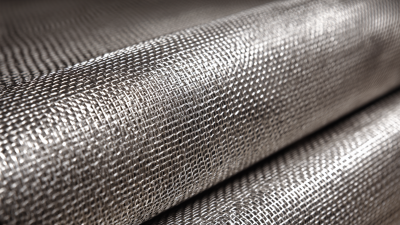
Steel wire mesh is a grid made from carbon steel, stainless steel, or coated steel wires. Manufacturers create the grid by welding, weaving, or expanding metal sheets. Its classification depends on more than appearance. Wire diameter, opening size, panel length, surface treatment, and manufacturing method all affect performance.

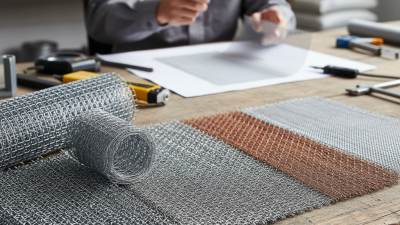
Welded wire mesh has rigid intersections and consistent square openings. It suits concrete reinforcement, animal enclosures, guards, and industrial partitions. Woven mesh uses over-and-under wires, allowing finer openings and better filtration. Common patterns include plain, twill, and Dutch weaves. Expanded mesh is cut and stretched from sheet metal, creating diamond-shaped openings without welded joints. It can reduce waste, although its geometry complicates precise load calculations.

A 2024 Grand View Research assessment estimated the global wire mesh market at several billion US dollars, with construction and industrial filtration among major demand areas. MarketsandMarkets has also reported steady growth in the broader metal mesh sector, supported by infrastructure and manufacturing investment. These figures are useful, but market boundaries differ between reports. That matters. Engineers should verify whether a report includes fencing, filter cloth, and reinforcement mesh. In practical inspection, check weld quality, aperture tolerance, rust protection, and actual wire diameter. Galvanized surfaces resist moisture, but they are not maintenance-free. Stainless steel performs better in corrosive settings, yet its higher cost can be difficult to justify for ordinary indoor use.

What Are the Top Types of Steel Wire Mesh?

Steel wire mesh is commonly classified by its manufacturing method and opening size. The chart below shows representative nominal aperture classes used in standardized wire-mesh specifications, including ISO 4783-1 sieve openings.

How to read the chart: Fine mesh uses smaller openings for filtration and screening, while medium and coarse mesh provide greater material flow, ventilation, reinforcement, and separation. Woven mesh is generally specified by mesh count and aperture, whereas welded mesh is commonly specified by opening dimensions and wire diameter.

The Main Types of Steel Wire Mesh by Material

What Are the Top Types of Steel Wire Mesh?

The main types of steel wire mesh differ by material, coating, and working environment. Each choice affects strength, corrosion resistance, weight, and maintenance.

Carbon steel mesh is strong and economical. It suits machine guards, partitions, shelving, and general industrial screens. However, untreated carbon steel rusts quickly in damp air. A light oil film may slow corrosion, but it is not a permanent solution.

Galvanized steel mesh has a zinc coating that protects the wire from moisture. It works well for fencing, ventilation panels, farm structures, and outdoor enclosures. Hot-dip galvanizing usually provides a thicker coating than electro-galvanizing. The surface may look uneven, but that does not always indicate poor quality. Cut edges still need attention because exposed steel can corrode.

Stainless steel mesh contains chromium, which forms a protective oxide layer. It is commonly selected for food processing areas, chemical equipment, filters, and coastal installations. Grades with molybdenum offer better resistance to salt and some chemicals. Stainless steel costs more, and it can still stain under harsh conditions.

Material selection should consider wire diameter, opening size, temperature, cleaning agents, and contact with dissimilar metals. Small details matter.

A frequent mistake is choosing by price alone. That decision may create higher replacement and maintenance costs later.

How Weave and Opening Patterns Shape Mesh Performance

What Are the Top Types of Steel Wire Mesh?

Steel wire mesh performance depends heavily on its weave and opening pattern. Plain-weave mesh crosses each wire over and under the next. It creates square openings, stable dimensions, and predictable filtration. This design suits screening, guards, and general separation. Twill-weave mesh shifts the crossing sequence, allowing thicker wires and smaller openings. It usually offers better strength, but its surface can retain more particles.

Dutch weave uses tightly packed wires and narrow openings. It supports fine filtration under pressure. Reverse Dutch weave places more structural wires in the support direction. This can improve durability during continuous flow. ASTM E11 covers woven test sieve cloth with openings ranging from about 20 micrometres to 125 millimetres. That range shows how sharply aperture size can change mesh behavior.

Opening shape matters as much as wire diameter. Square openings provide balanced flow in both directions. Rectangular openings can increase throughput along one axis. Welded mesh uses fixed intersections and often forms uniform square or rectangular panels. Expanded mesh creates diamond openings, reducing weight while maintaining useful rigidity. ISO 4783-3 provides guidance for selecting industrial wire screens by aperture and wire size. Still, specifications do not replace inspection. A small variation in tension can alter the effective opening. The trade-off is easy to underestimate. A finer weave may improve separation, yet restrict flow and collect debris faster. Mesh selection should therefore compare aperture, open-area percentage, wire strength, and cleaning conditions together.

Where Different Steel Wire Mesh Types Are Used

What Are the Top Types of Steel Wire Mesh?

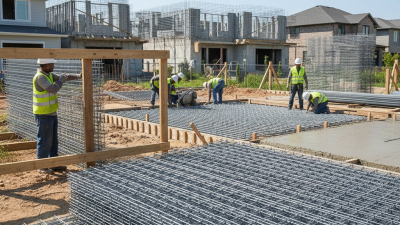
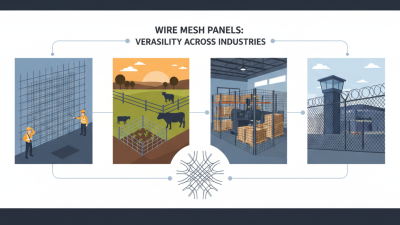
Steel wire mesh supports many applications because its structure can be matched to different working conditions. Welded wire mesh has rigid intersections and consistent openings. It commonly appears in concrete reinforcement, partition panels, animal enclosures, and warehouse barriers. It is not decorative. Its value comes from strength, alignment, and quick installation.

Woven wire mesh bends more easily and suits screening, filtration, ventilation, and agricultural equipment. Fine woven mesh can separate small particles, while heavier grades handle larger materials. Expanded metal mesh provides a lighter, three-dimensional surface for walkways, machine guards, and façade panels. Perforated metal is different, but it may serve similar airflow or screening purposes. The opening pattern changes performance.

Choosing a mesh type requires more than checking wire diameter. Engineers should assess load, corrosion exposure, temperature, opening size, and cleaning requirements. Galvanized steel can improve outdoor durability, but coating quality and site conditions still matter. Stainless steel is often preferred near moisture, chemicals, or strict hygiene areas. Fit matters. A mesh that works well in a dry warehouse may fail prematurely beside saltwater or processing fluids. Even experienced buyers sometimes focus on strength and overlook installation tolerances, edge protection, or maintenance access. That mistake can increase costs later. Practical testing, supplier documentation, and local engineering review make the final selection more reliable.

How to Choose the Right Steel Wire Mesh for a Project

What Are the Top Types of Steel Wire Mesh?

How to Choose the Right Steel Wire Mesh for a Project

Steel wire mesh is available in welded, woven, expanded, and perforated forms. Each type behaves differently under pressure, impact, and repeated movement. Welded mesh offers rigid, uniform panels for fencing, partitions, cages, and concrete reinforcement. Woven mesh bends more easily and suits filtration, screening, and irregular surfaces. Expanded mesh provides airflow and grip, while perforated sheet delivers cleaner openings with greater structural strength.

Choosing the right mesh starts with the project’s actual demand, not only the appearance. Measure the required opening size, wire diameter, panel dimensions, and expected load. A small opening can improve security but may reduce airflow and increase weight. For a walkway, check foot traffic, span, deflection, and slip resistance. For a filter, particle size and flow rate matter more than panel stiffness.

The environment also changes the decision. Indoor dry areas may accept untreated carbon steel, while damp or coastal locations need corrosion-resistant protection. Galvanized or coated surfaces can extend service life, but damaged edges still need attention. I have seen attractive mesh fail because installers ignored drainage and cut-edge protection. That mistake is easy to repeat. Review applicable load requirements, welding quality, tolerances, and installation tools before ordering. A sample panel tested on site can reveal problems that drawings hide. Mesh selection is rarely perfect on the first attempt. Availability, budget, and fabrication limits may force a practical compromise.

Skip to content