What is a Weighing Scale and How to Choose the Right One?
A weighing scale is an essential tool in various industries, from healthcare to manufacturing. Accurate measurements ensure safety and efficiency. Indeed, a report from Market Research Future states that the global weighing scale market is projected to reach $4.69 billion by 2026. This growth is driven by increasing demand for precision in diverse applications.
Dr. Jeremy White, an expert in weight measurement technology, emphasizes the importance of choosing the right scale. He states, "Selecting the appropriate weighing scale can drastically impact your operations." Different scales cater to specific needs, whether for personal use or industrial purposes. The variety includes digital, mechanical, and balance scales, each with unique features.
Understanding these differences is vital. For instance, a scale's capacity and accuracy influence its suitability for specific tasks. Many individuals overlook these factors, leading to inefficiencies. This oversight could result in inaccurate readings and costly errors. Selecting the correct weighing scale aligns with both operational goals and safety standards, making informed choices crucial.
What is a Weighing Scale?
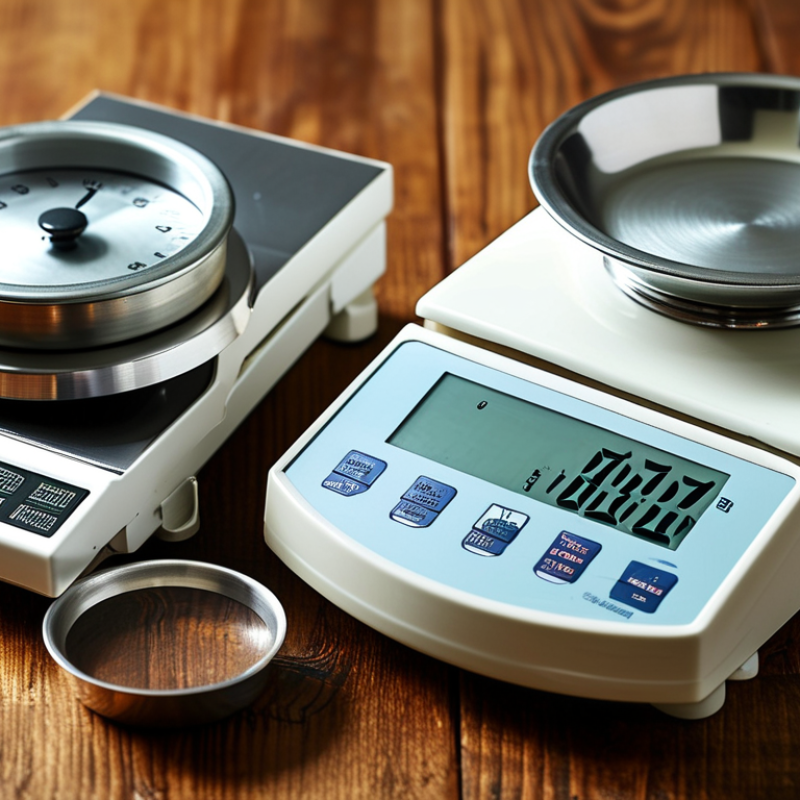
A weighing scale is an instrument designed to measure weight or mass. It's essential in various fields, including healthcare, cooking, and industry. These scales come in different types, such as digital and mechanical. Digital scales offer precise readings, while mechanical types rely on springs or levers. The choice often depends on the user’s needs and preferences.
When choosing a weighing scale, consider the scale's capacity. Think about what you will weigh. Do you need it for food, small packages, or heavier items? Accuracy is another key factor. Look for scales that provide consistent measurements. A scale that gives different readings for the same item can lead to frustration. Compact scales are great for small spaces, while larger models can accommodate bulky items.
Reflecting on the choice can reveal misunderstandings. Many users overlook the importance of calibrating their scales. An uncalibrated scale can result in incorrect readings. Additionally, ensure the scale is easy to use. Some scales have features like tare functions or unit conversions. These can simplify the weighing process, saving time and effort. It's worth noting that correct usage and maintenance are crucial for longevity and reliability.
Types of Weighing Scales and Their Applications
When selecting a weighing scale, understanding the types available is crucial. There are various weighing scales suited for different applications. Mechanical scales are simple and cost-effective, relying on springs and levers. They are often used in home settings due to their ease of use. In contrast, digital scales provide greater precision and readability. Reports indicate that digital scales can offer accuracy within 0.01 grams.
Another category includes industrial scales, which endure heavy use in warehouses or factories. They can handle weights up to several tons. Healthcare scales, specifically designed for hospitals, often include features like BMI calculations. According to industry studies, the healthcare sector increasingly opts for digital models for their accuracy and efficiency.
Choosing the right scale requires some consideration. Tips: Always verify the maximum weight capacity. Do not overlook the scale's increments for accuracy. Finally, think about the scale's purpose—personal or commercial use? These factors will guide you toward the best fit for your needs. Remember, the wrong choice can lead to frustration and inaccurate measurements.
Key Features to Consider When Choosing a Weighing Scale
When choosing a weighing scale, it's essential to consider several key features. Accuracy is a top priority. A scale that loses calibration can lead to misleading results. Even a slight error can affect your measurements. Look for scales that have a clear display and can handle various weights. This makes tracking progress easier.
Another crucial feature is the capacity of the scale. Ensure it meets your needs, whether for personal use or professional applications. Some scales are designed for specific tasks, like cooking or weighing luggage. Portability might matter, too. A lightweight scale can be taken anywhere.
Consider ease of use. A complicated interface can lead to mistakes. A user-friendly design saves time and improves accuracy. Battery life is also worth noting. Regular battery changes can be a hassle. Think about how often you'll use the scale. Choose a model that balances functionality and simplicity.
How to Properly Use and Maintain a Weighing Scale
Using a weighing scale properly is essential for accuracy. Before use, ensure the scale is on a flat surface. An uneven surface can lead to incorrect readings. Calibrating the scale regularly enhances its reliability. Follow the manufacturer’s guidelines for calibration. Take the time to understand these steps; they are crucial for obtaining precise weights.
Maintenance is another important aspect. Cleaning the scale should be done gently to avoid damage. Dust and spills can affect its performance. Use a soft cloth and mild cleaning solution. Regular inspections of the scale for wear can prevent unexpected issues. A worn scale may not provide trustworthy results. It can be frustrating when numbers fluctuate unexpectedly.
Avoid overloading the scale. Each device has a weight limit. Exceeding it can cause damage or inaccurate measurements. Reflect on how you handle the scale. Being mindful can prolong its life. Inconsistencies in readings might be due to improper use. Take a moment to adjust your approach; it can lead to better outcomes.
Common Mistakes to Avoid When Selecting a Weighing Scale
Choosing the right weighing scale can be daunting. Many people overlook essential factors. One common mistake is ignoring weight capacity. Each scale has a limit, and exceeding it can lead to inaccurate readings or damage. Know the maximum weight you need to measure, and choose accordingly.
Another mistake is focusing solely on price. A lower price might seem attractive but can compromise quality. Consider the scale’s accuracy and durability as well. Some users fail to check the calibration. Regular calibration ensures your scale gives precise measurements. Skipping this can result in faulty data, especially in professional settings.
Additionally, not considering the scale's size and design can impact usability. Some scales are bulky and harder to store, while others might be too compact for larger items. Reflect on where and how you will use the scale. These details can significantly affect your experience, leading to frustration if not addressed.