Why Choose Perforated Metal for Your Next Project?
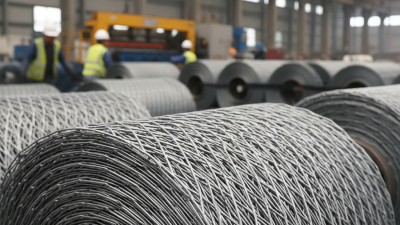
Perforated metal is a versatile material that has gained popularity across various industries. Its unique characteristics make it suitable for numerous applications. From industrial uses to architectural designs, perforated metal offers both functionality and aesthetic appeal.
One key advantage is its ability to balance strength and weight. This feature makes it ideal for projects requiring durability without excess bulk. Additionally, perforated metal provides effective ventilation. This property is vital in environments needing air circulation while maintaining structural integrity.
However, choosing the right type of perforated metal can be challenging. It requires careful consideration of factors like hole size, pattern, and material. Even experienced professionals can find themselves at a crossroads. Reflecting on specific project needs is crucial in making informed choices.
Benefits of Perforated Metal in Construction Projects
Perforated metal is gaining traction in construction projects due to its unique benefits. One significant advantage is its ability to allow airflow while providing structural support. According to the Metal Construction Association, nearly 30% of new commercial buildings are incorporating perforated metal. This shows a trend towards sustainable designs that enhance energy efficiency.
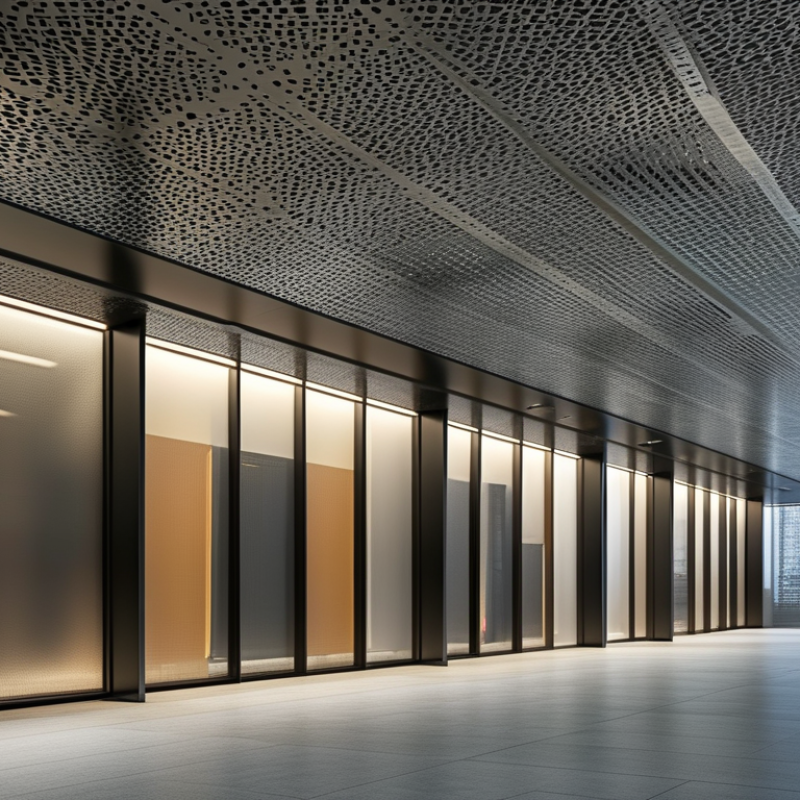
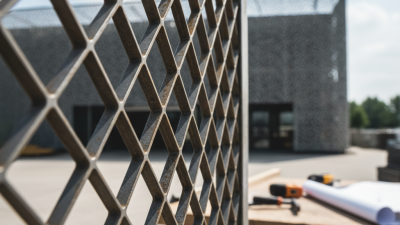
In terms of aesthetics, perforated metal offers versatility. It can be customized with various patterns and finishes, enhancing a building's visual appeal. A study from the American Institute of Steel Construction highlights that well-designed perforated facades reduce the need for artificial lighting by up to 25% in daytime hours. However, using the wrong pattern may not achieve the desired lighting effect, requiring careful consideration during the design phase.
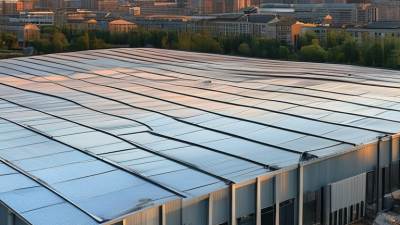
Durability is another key aspect. Perforated metal can withstand harsh weather conditions, making it ideal for outdoor applications. Data from the National Association of Home Builders indicates that using perforated metal can increase a building's lifespan by 15 years compared to traditional materials. Yet, it's crucial to ensure proper maintenance. Neglecting upkeep can lead to rust and deterioration, ultimately diminishing the material's lifecycle.
Benefits of Perforated Metal in Construction Projects
Applications of Perforated Metal in Various Industries
Perforated metal finds its way into various industries due to its versatility and functionality. In architecture, it enhances design while providing light and air permeability. According to a report by MarketsandMarkets, the global perforated metal market is projected to reach $3.1 billion by 2026, driven by rising demand in construction.
In the automotive sector, perforated metal panels are used in sound insulation and ventilation systems. The automotive industry relies on these materials for both aesthetics and performance. For instance, perforated metals are vital in reducing noise levels within vehicles. Research shows that noise reduction can enhance the driving experience significantly.
When considering perforated metal for your project, think about functionality and aesthetics. Choose patterns that suit your design while meeting performance needs. You should also consider the metal's durability, as the right choice can reduce maintenance costs. For instance, stainless steel is often preferred for its corrosion resistance.
If you’re unsure about specific applications, consult industry experts or relevant studies. They can provide insights into the best practices and avoid common pitfalls. Remember, not every pattern fits every purpose; careful planning can prevent over-engineering or underperforming designs.
Comparison of Perforated Metal with Other Materials
When considering materials for construction or design projects, perforated metal stands out against alternatives. Unlike solid sheets, perforated metal features holes that enhance its versatility. This unique characteristic allows it to facilitate airflow while maintaining durability. Industries such as architecture and filtration benefit from this dynamic material.
Comparatively, solid metal lacks the flexibility of perforated options. Although it offers strength, it can trap heat and moisture. In contrast, perforated metal aids in temperature regulation and reduces weight. Another alternative, wire mesh, does allow airflow but may not possess the same robustness as perforated options. Installations often require extra support, driving up costs.
This evaluation highlights the strengths of perforated metal. However, it is essential to note that not every project is suited for it. Many factors, like design preferences and specific applications, must influence the choice. Material performance varies in different environments. Future considerations may include advances in technology that could impact the effectiveness of both perforated metal and its competitors.
Factors to Consider When Choosing Perforated Metal
When considering perforated metal for your next project, several factors are critical. First, think about the material's durability. Perforated metal can be made from various materials, including steel, aluminum, and stainless steel. The choice of material impacts its strength and resistance to corrosion. For outdoor projects, select a metal that withstands the elements. Indoor applications may allow for more flexibility.
Next, consider the hole pattern and size. Different configurations affect both aesthetics and functionality. Smaller holes may be suitable for filtering applications, while larger holes can enhance visual appeal and airflow. It’s essential to balance functionality with design needs. Remember, the wrong choice can lead to complications down the road.
Finally, think about the project's specific requirements. Load-bearing capacity is one aspect that shouldn't be overlooked. Too often, projects fail because of inadequate structural support. Also, reflect on the manufacturing process. Some methods can introduce imperfections. A thorough understanding will lead to better decisions, ensuring the perforated metal meets your unique project demands.
Maintenance and Durability of Perforated Metal Products
Perforated metal products offer durability and low maintenance, making them ideal for various projects. The unique holes and patterns provide not only aesthetic appeal but also structural integrity. When properly designed and fabricated, these materials can last decades. They resist corrosion, especially when made from stainless steel or coated metals.
Tips for maintenance include regular inspections. Look for signs of wear or buildup. Clean the surfaces to avoid rust and enhance longevity. Depending on the environment, a simple wash might suffice. Sometimes, stains can indicate deeper issues needing professional evaluation.
Consider the exposure environments. High humidity or pollutants can affect metal performance. It is essential to factor this in when choosing perforated metal. The right design can mitigate these risks. Improper choices may lead to premature deterioration. Balance aesthetics with functionality to ensure lasting results.