China Top Perforated Steel Sheet Supplier for Global Buyers
China has become a major sourcing base for perforated steel sheet used in construction, machinery, filtration, acoustic panels, and architectural projects. Global buyers often look beyond price. They need stable dimensions, clean holes, reliable packaging, and clear material documentation.
Professor Michael F. Ashby, a leading materials-selection authority, offers a useful principle: “Materials and process selection are inseparable.” This idea matters when choosing perforated steel sheet. Hole diameter, pitch, thickness, open area, and forming method affect the final result. A 1.5 mm sheet with 5 mm round holes behaves differently from a thicker panel with staggered perforations. Small production choices can change airflow, weight, strength, and appearance.
Experienced Chinese suppliers usually confirm drawings before production. They check steel grade, tolerance, surface treatment, cutting accuracy, and edge condition. Buyers should also request mill certificates, inspection records, samples, and packing photographs. These details make international purchasing more dependable. They also expose weak suppliers early.
Still, no supplier is perfect. Communication may slow down. A sample may look excellent, while a large batch reveals minor variation. That possibility deserves honest attention. Strong suppliers respond with measurable controls, not vague promises. They explain whether the perforated steel sheet is produced by punching, laser cutting, or another method. They also clarify delivery limits and inspection procedures.
This guide introduces how global buyers can evaluate China-based suppliers. It focuses on practical specifications, manufacturing capability, quality evidence, customization, and export experience. The right partner is not simply the cheapest option. It is the supplier that delivers the required sheet, repeatedly, with traceable information and responsible communication.
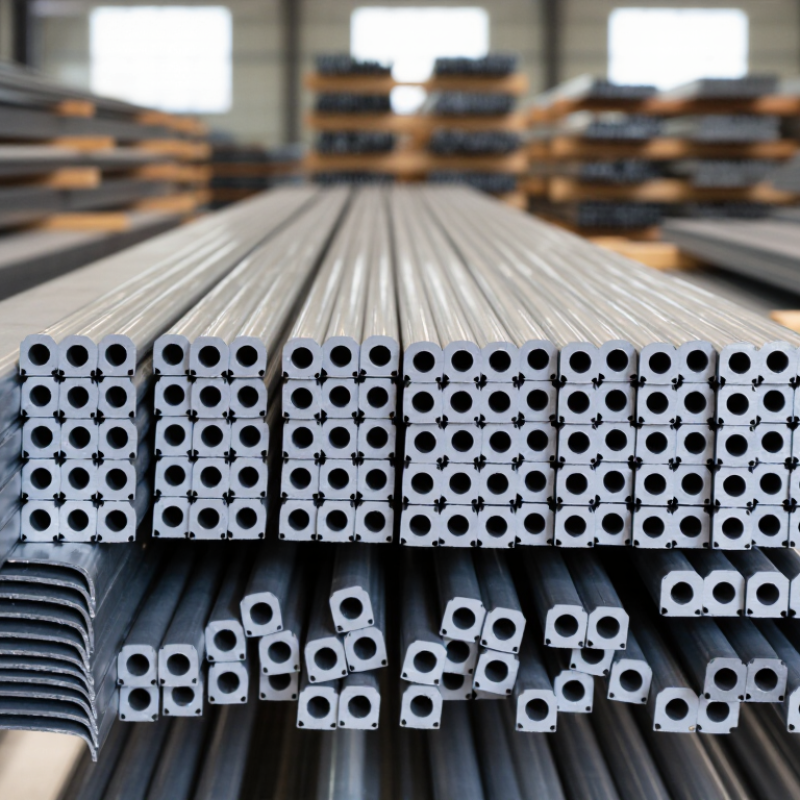
China’s Perforated Steel Sheet Manufacturing Industry
China’s perforated steel sheet manufacturing industry benefits from a deep steel supply chain.
The World Steel Association’s World Steel in Figures 2025 reports that China produced 1,005.1 million tonnes of crude steel in 2024. This represented about 53.3% of global output. That scale supports faster access to carbon steel, stainless steel, and galvanized coils.
Manufacturers convert these coils through leveling, punching, deburring, and surface treatment.
Experienced suppliers check hole diameter, pitch, open area, sheet thickness, and flatness. These details affect airflow, filtration, acoustic control, and structural strength.
During factory inspections, buyers should request material certificates, production samples, and inspection records.
ISO 9001-based quality systems can improve traceability, but certification alone does not guarantee perfect sheets.
No production line is flawless. Some factories still rely heavily on manual checks, which may create inconsistent edges or hole patterns.
Tips:
Confirm the required standard before quoting. Provide a technical drawing with tolerances. Ask for a sample panel, not only photographs.
The World Trade Organization and UN Comtrade trade data also show that steel-sheet trade depends strongly on product classification and destination rules.
Buyers should verify the correct HS code before shipment.
A lower price can look attractive, but it may reflect thinner material, wider tolerances, or weaker packaging. Small differences become expensive during installation.
Key Materials, Patterns, Sizes, and Production Standards
China Top Perforated Steel Sheet Supplier for Global Buyers
Material selection controls service life, cutting accuracy, and corrosion resistance. Carbon steel suits indoor guards and general ventilation panels. Stainless steel performs better in humid or chemically exposed areas. Aluminum reduces weight, but its lower stiffness needs careful thickness selection. The World Steel Association reported about 1.89 billion tonnes of global crude steel production in 2023. China produced roughly 1.02 billion tonnes, showing its deep raw-material and processing capacity.
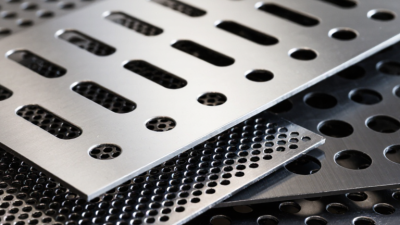
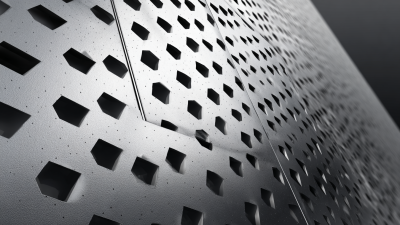
Pattern choice affects airflow, strength, noise, and appearance. Round holes are common for screens and acoustic panels. Square holes provide a more architectural look. Slotted holes can guide airflow, but they may weaken narrow edges. Open area should be calculated before ordering. A 60-degree staggered pattern often offers efficient distribution. Still, it is not always the best option.
Common thicknesses range from 0.5 to 6 millimetres, while sheet sizes often reach 1,500 by 3,000 millimetres. Actual limits depend on tooling and material grade. ASTM E323 covers perforated plate, sheet, and foil requirements. Carbon steel may follow ASTM A1008 or EN 10130; stainless grades require confirmed chemical and mechanical data. Production checks should include hole diameter, pitch, flatness, burr height, and open-area tolerance. ISO 9001-based inspection systems add traceability, but certification alone proves little. Sample approval remains essential. Small errors matter.
Quality Control and Certification for International Orders
For global buyers, perforated steel sheet quality starts with controlled production, not attractive catalog photos. A reliable Chinese supplier should verify coil grade, thickness, hole diameter, pitch, and flatness before shipment. ISO’s 2023 Survey recorded more than 1.26 million ISO 9001 certificates worldwide. This shows the value of documented quality systems, but certification alone cannot replace product inspection. Each international order should include a material certificate, dimensional report, and batch traceability record.
Inspection should follow the buyer’s required standard, such as ASTM, EN, or an agreed technical specification. Inspectors can measure hole patterns with calibrated gauges and check burrs under direct lighting. Stainless sheets may also require surface checks and chemical composition verification. For export shipments, an EN 10204 3.1 inspection certificate can connect test results to the supplied heat number. The World Steel Association reported global crude steel production of about 1.89 billion tonnes in 2023, reminding buyers that large-scale supply still needs precise batch control. Even a strong system can miss a defect. That possibility deserves honest review.
Tips: Request a pre-shipment inspection before payment release. Confirm tolerances in writing. Ask for photos showing labels, edges, packing, and protective film. Keep one approved sample for comparison. Do not accept “standard quality” without measurable values. Production records should also identify the operator, inspection date, and corrective action.
How to Evaluate a Reliable Chinese Perforated Steel Sheet Supplier
A reliable Chinese perforated steel sheet supplier should prove performance, not merely display attractive product photos. Ask for the exact steel grade, thickness, open area, hole diameter, pitch, and sheet size. Request a recent mill certificate and production traceability record. These documents should match the offered material. Check whether the supplier explains tolerance limits clearly. Vague answers deserve caution. A polished website proves little.
Practical evaluation requires sample inspection before placing a large order. Measure thickness with a calibrated micrometer, then compare hole spacing across the sheet. Look for clean edges, consistent perforations, flatness, and protective packaging. Ask how rejects are handled and whether replacement terms appear in writing. Clear communication matters. A technically capable supplier should confirm drawings, correct errors, and report delays early. Do not accept impressive promises without test evidence.
Assess factory experience through relevant project records, production capacity, and inspection procedures. Photos help, but dated inspection reports carry more weight. Verify certifications independently when possible, especially documents related to quality systems or material testing. Also review export documents, labeling, pallet strength, and moisture protection. Small details become expensive at the destination. I would still leave room for doubt. Even a careful review cannot remove every risk, so use staged orders and measurable acceptance criteria.
How to Evaluate a Reliable Chinese Perforated Steel Sheet Supplier
This illustrative buyer scorecard uses a 100-point evaluation framework. Quality control and material traceability receive the highest weighting because perforated steel sheets must meet specified material grades, hole dimensions, thickness tolerances, and documentation requirements.
Suggested evaluation weights: buyers should adjust the percentages according to project specifications, required standards, order volume, and delivery risk.