How to Choose the Right Perforated Sheet for Your Project?
Choosing the right perforated sheet for your project requires careful consideration. The variety of options can be overwhelming. Each type of perforated sheet serves specific purposes, from industrial applications to decorative uses. Understanding the characteristics of these sheets is essential.
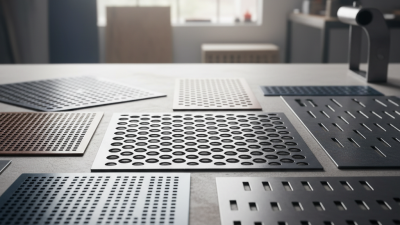
When selecting a perforated sheet, think about the material first. Metals, plastics, and composites all offer different benefits. Each has unique properties that affect durability and appearance. The hole pattern and size also play a critical role. A larger hole allows for more airflow, while a smaller hole provides more support.
Reflect on the intended use of the perforated sheet. Will it be exposed to harsh conditions? Is it meant to enhance aesthetics? Assessing these factors can guide your decision. Remember, the perfect choice for one project might not suit another. So, take the time to explore your options thoroughly.
Understanding Perforated Sheets: Definitions and Uses
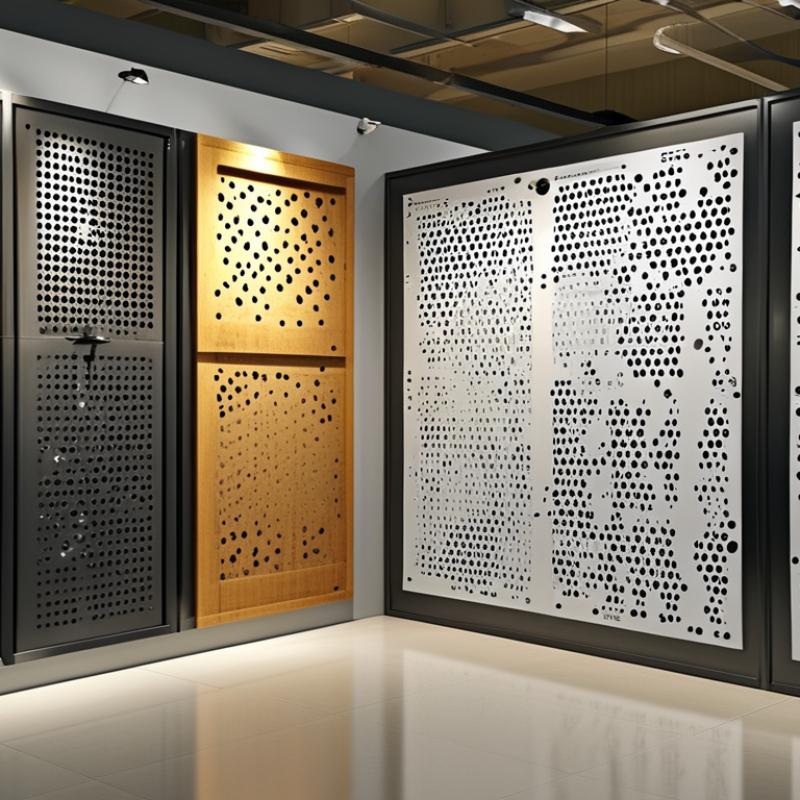
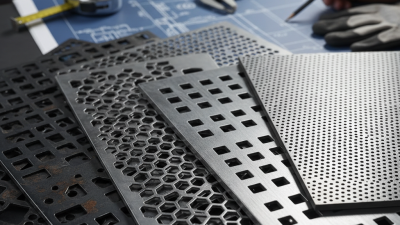
Perforated sheets are versatile materials widely used in various industries. They consist of a flat sheet metal or plastic adorned with a series of perforations. These holes can be circular, square, or custom-shaped, allowing for specific applications. Designers and engineers often use them for filtration, soundproofing, and aesthetic purposes. Their ability to combine durability with lightweight characteristics makes them an attractive option.
Understanding the specifications of perforated sheets is essential. For example, determining the hole size and pattern can significantly impact airflow and light passage. The choice of material—metal, plastic, or even composites—affects both strength and weight. Selecting the wrong type may lead to premature failures or increased costs. As such, familiarity with structural requirements is necessary to avoid mistakes that could compromise a project’s integrity.
While there are many advantages, imperfect choices may arise from a lack of experience. For instance, selecting an inappropriate hole size might reduce functionality. It is crucial to consider the project's specific needs and constraints. Balancing aesthetics with practicality can also lead to better results. Therefore, careful evaluation of options is imperative to ensure the chosen perforated sheet aligns with project goals.
Factors to Consider When Selecting Perforated Sheets
When selecting perforated sheets for your project, consider the material. Common options include metal, plastic, and fiberglass. Each material has unique properties. For instance, aluminum is lightweight, while stainless steel offers corrosion resistance. Choosing the wrong material may lead to durability issues later on.
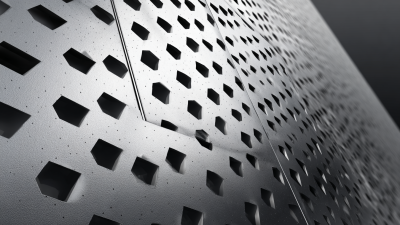
The hole pattern is crucial too. The size, shape, and spacing affect functionality. Larger holes may provide better airflow but reduce structural integrity. Smaller holes can enhance privacy. Reflect on the project's specific needs when deciding.
Consider the sheet's thickness as well. Thicker sheets provide more strength but can be harder to work with. Thickness impacts installation methods and cost. Evaluate the site conditions and usage.
Keep in mind these factors for a successful project. A well-chosen perforated sheet enhances both form and function. Seek advice from professionals if you feel uncertain about your selection.
Material Options for Perforated Sheets: Pros and Cons
When selecting perforated sheets, understanding material options is crucial. Metal, plastic, and fiberglass are common choices. Each material has distinct pros and cons that should be considered based on your project requirements.
Metal perforated sheets are durable and corrosion-resistant. Steel sheets often provide the best strength. Aluminum is lightweight and can resist rust. A study by Metal Supermarkets indicates that around 70% of manufacturers prefer aluminum for its strength-to-weight ratio. However, metal sheets can be heavier and more expensive compared to other options.
Plastic perforated sheets offer versatility, lightweight properties, and resistance to chemicals. They are ideal for indoor applications. However, they may not perform well in high-temperature environments. A report from the Plastics Industry Association shows that while plastics account for 25% of the perforated market, their long-term durability could be a concern.
Fiberglass is another viable option, particularly for environments with moisture or chemicals. It is lightweight and resistant to corrosion. However, it may not be as rigid as metal sheets, which can create challenges in heavy-load applications.
When making your choice, assess the environment of your project. Consider durability, weight, and insulation needs. Understanding these factors ensures the right choice for your specific application.
Material Options for Perforated Sheets: Pros and Cons
Hole Patterns and Sizes: Finding the Best Fit for Your Needs
Selecting the right perforated sheet involves understanding hole patterns and sizes. Not all projects require the same specifications, and small adjustments can significantly impact performance. For instance, the spacing between holes affects airflow and weight, which is crucial for many industrial applications. A report from Metal Construction News emphasizes that optimal hole size can lead to a 25% increase in material strength when used correctly.
When evaluating your options, consider the primary function of the perforated sheet. For sound absorption, patterns with closely spaced holes may work best. Conversely, for liquid drainage, larger holes with wider spacing can prevent blockages. According to research by the American Institute of Steel Construction, diameter variation can change the load-bearing capacity of sheets significantly, highlighting the need for precise measurement.
It's important to reflect on your project's demands. Sometimes, common patterns may not suit specific needs, leading to inefficiencies. A case study showed that companies facing airflow restrictions made performance losses of up to 18% due to improper hole selection. Understanding these nuances can greatly enhance your project's success.
Applications and Industries That Benefit from Perforated Sheets
Perforated sheets are versatile materials used across various industries. In construction, they serve as effective safety barriers and sound insulation. According to a report by the American Institute of Steel Construction, using perforated metal can reduce noise levels by up to 50%. This characteristic makes it invaluable in urban settings where noise pollution is a concern.
In manufacturing, perforated sheets have critical applications. They are integral in filtration systems, allowing air and liquids to pass while blocking unwanted particles. Statistics show that industries utilizing perforated materials in their filtration processes achieve up to 30% increased efficiency. Additionally, the food and beverage industry benefits from these sheets in creating sanitary and efficient processing environments.
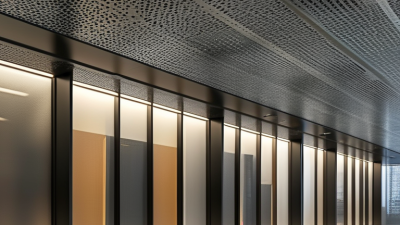
The aesthetic appeal of perforated sheets also has significant implications in architecture and design. Designers leverage various patterns to create striking visual effects. However, it’s essential to assess the specific requirements of each project. The choice of hole size and spacing can greatly influence both the functionality and appearance. As projects vary, experts often reflect on past experiences to determine the most suitable configuration, ensuring safety and performance while achieving the desired look.