How to Choose the Best Metal Grate for Your Needs?
Choosing the right metal grate can significantly impact safety and functionality in various environments. As John Reynolds, a leading expert in the metal grate industry, states, "Selecting a suitable metal grate begins by understanding its intended use." Each application requires different strength, durability, and design characteristics.
When evaluating metal gratings, consider the environment and specific needs. For example, outdoor areas may demand rust-resistant materials. Heavily trafficked zones require grates that withstand significant pressure. However, selecting the wrong type can lead to costly replacements or safety hazards.
It’s crucial to research and compare options. There isn't a one-size-fits-all solution in the metal grate market. Some might aim for aesthetics, while others prioritize functionality. Understanding these nuances can lead to better choices tailored to your unique requirements. Always reflect on the long-term implications of your decisions.
Understanding the Different Types of Metal Grates Available in the Market
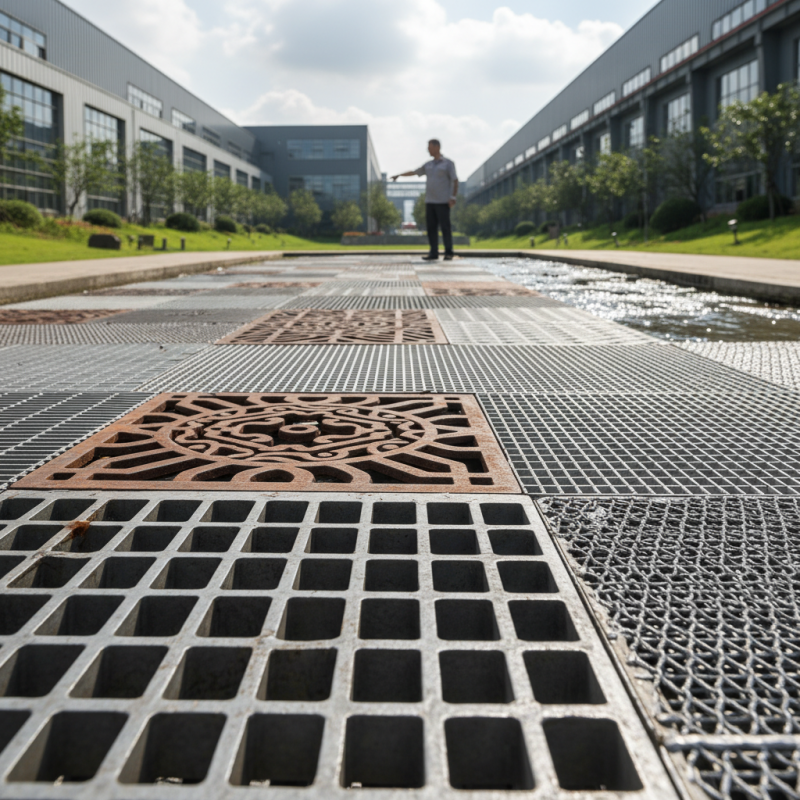
Choosing the right metal grate is crucial for various applications. There are several types available. Each type serves specific needs and requirements. The most common types include steel, aluminum, and stainless steel grates. Each material has unique properties that can affect performance.
Steel grates are strong and durable but may rust without proper coating. Aluminum grates are lightweight and resistant to corrosion. Stainless steel is ideal for high-moisture areas, but it can be more expensive. Understanding the environment where the grate will be used is essential.
**Tips:** Consider the load capacity of the grate. Make sure it fits the intended use. Measure the area precisely before purchasing. It's also smart to think about maintenance. Some materials require more upkeep than others.
**Tips:** Seek out options that offer a balance between strength and weight. A sturdy grate should not be prohibitively heavy. Reflect on your budget. While some grates are more affordable, investing in quality can save money in the long run.
Evaluating the Load-Bearing Capacity of Metal Grates for Your Project
When selecting metal grates, evaluating their load-bearing capacity is crucial. The right material must align with your project's demands. Make sure to assess the anticipated weight the grate will support. This includes considering vehicles, machinery, or foot traffic. It's not just about the look; strength matters.
Different metals offer varied capabilities. Stainless steel might provide high durability, while aluminum could be more lightweight. However, don’t overlook the installation environment. Exposure to chemicals or weather can influence the grate's performance. Testing the grate under real-world conditions can reveal unforeseen weaknesses.
Sometimes, the pushed limits can lead to failure. It’s wise to consult with structural experts. They can guide you on specifics that matter in your region. You might find that cheaper options won’t hold up as expected. Prioritize quality to avoid future issues.
Assessing the Environmental Conditions and Their Impact on Metal Grates
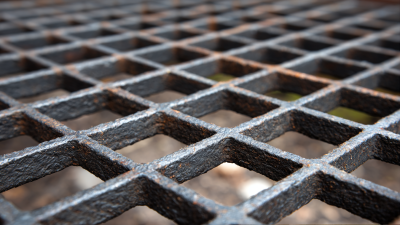
When selecting the right metal grate, understanding environmental conditions is essential. Different environments can drastically affect the material's longevity. For instance, coastal areas experience high humidity and salt exposure. These conditions can accelerate rust and deterioration. Choosing a grate made from corrosion-resistant materials is vital in such regions.
In addition to corrosion, temperature fluctuations play a significant role. Extreme heat can warp some metal types, while severe cold can cause cracks. It's crucial to assess the temperature range in your area. Do you need a grate that can withstand both conditions? Think about where the grate will be installed. Is it in an open area or a protected space?
Also, consider the potential for debris buildup. Grates in areas with heavy foliage may require regular cleaning. A design with wider openings can help prevent clogs. Understanding these environmental impacts will guide your selection process. Ultimately, considering these factors can lead to a more informed choice.
Selecting the Right Material for Durability and Corrosion Resistance
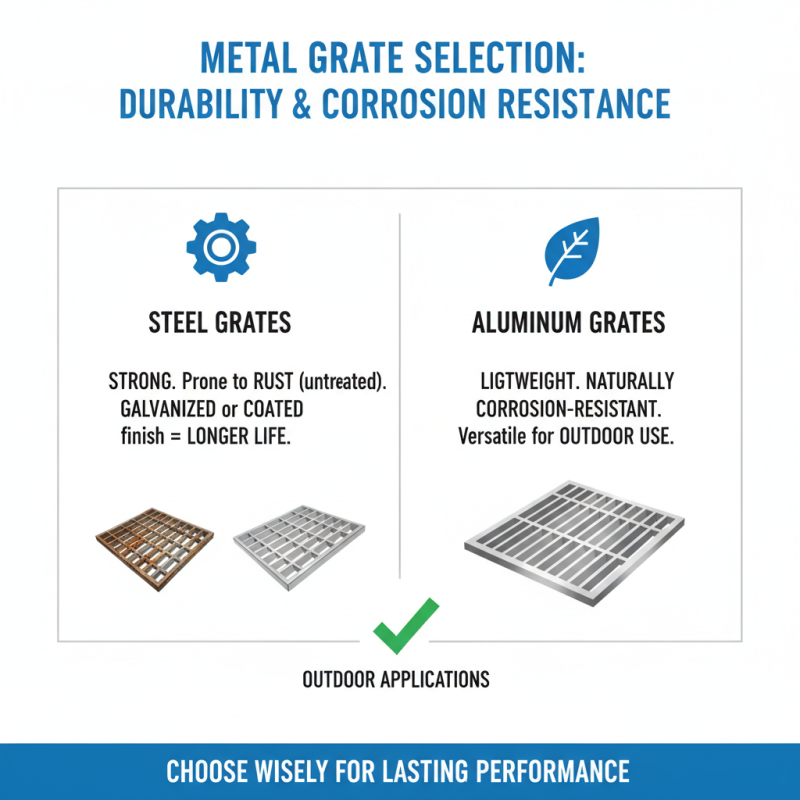
When selecting a metal grate, material choice is vital for durability and corrosion resistance. For outdoor applications, steel and aluminum are common options. Steel is strong but can rust without proper treatment. A galvanized or coated finish can enhance its longevity.
Aluminum, on the other hand, offers excellent resistance to corrosion. It’s lightweight and easy to handle, making it ideal for projects that require frequent relocation. However, it may not bear heavy loads as effectively as steel.
Consider the environment where the grate will be used. Areas with high humidity or exposure to chemicals need materials specifically designed to withstand such conditions. Choosing the right material might seem straightforward, but even slight differences can lead to significant issues later on. Reflect on your project's specific needs before making a choice; this could save time and expense down the line.
Cost Considerations and Budgeting for Metal Grate Options
Choosing the right metal grate involves careful consideration of costs. Different materials and designs will impact your budget significantly. Stainless steel offers durability but may be pricier. Aluminum is lighter and often cheaper but not as robust.
When budgeting, think about your needs. Will the grate be used in a high-traffic area? Higher quality may be necessary. Also, consider installation costs. Some designs are easier to install, which can save money.
Tips: Always compare multiple suppliers. Prices can vary widely. Look out for special deals or bulk discounts. Evaluate the long-term benefits of investing in a quality product. A cheap grate may need replacement sooner, increasing future costs. Take your time to research before making a final decision.
How to Choose the Best Metal Grate for Your Needs? - Cost Considerations and Budgeting for Metal Grate Options
| Grate Type |
Material |
Price Range (per sq ft) |
Durability |
Corrosion Resistance |
Applications |
| Heavy-Duty Grate |
Steel |
$20 - $30 |
High |
Moderate |
Industrial Flooring |
| Drainage Grate |
Stainless Steel |
$25 - $40 |
High |
High |
Municipal & Residential |
| Walkway Grate |
Aluminum |
$15 - $25 |
Medium |
High |
Parks & Pathways |
| Decorative Grate |
Wrought Iron |
$30 - $50 |
Medium |
Low |
Aesthetic Installations |